


Why Most UV Lamps Fail on the Shop Floor
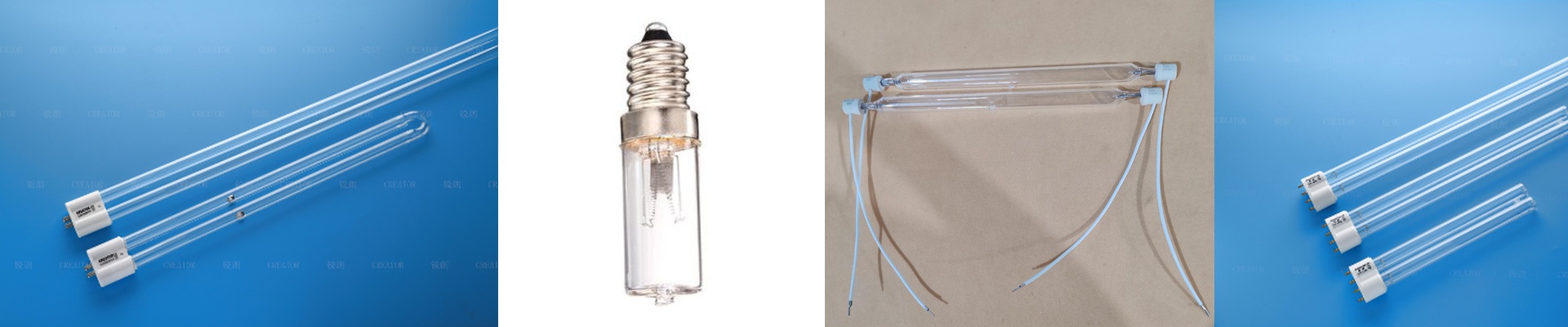
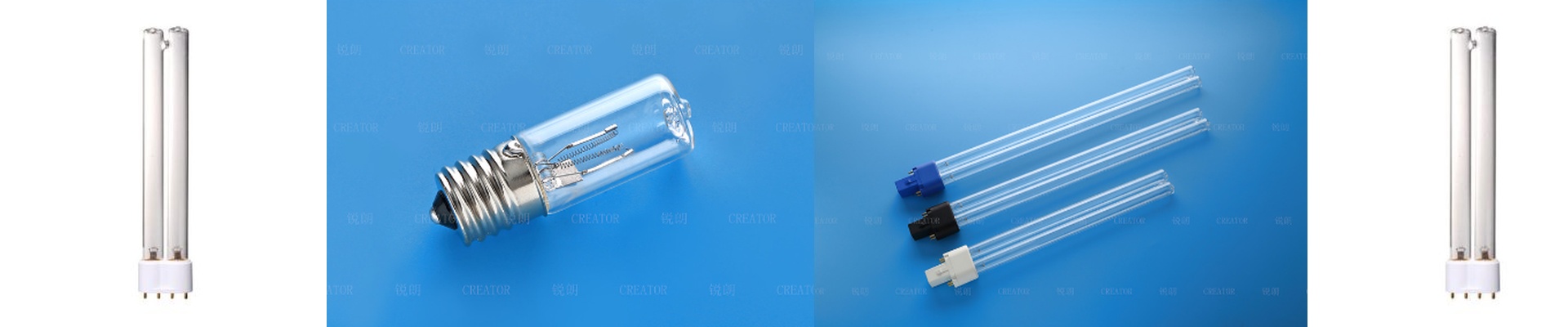
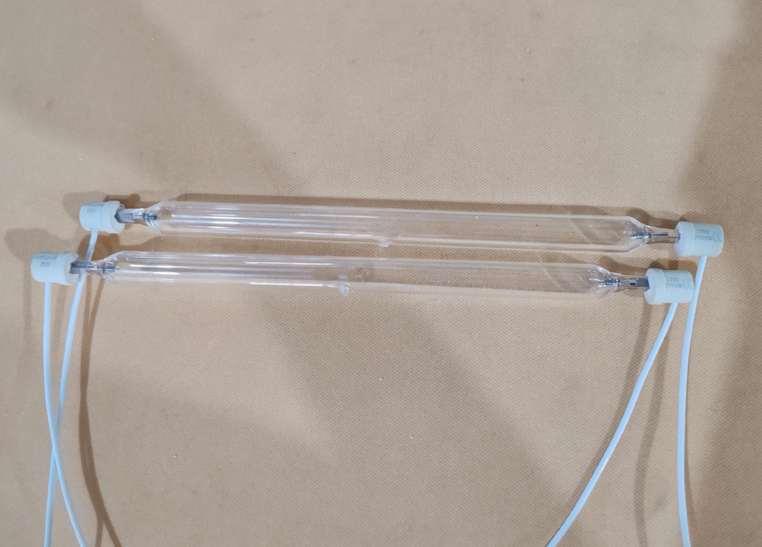
We’ve spent a lot of time—and I mean really spent time—walking the floors of about 3,000 different printing plants. We wanted to see where the standard, off-the-shelf UV lamps actually break. Here’s what we found: most of those units are designed for a lab, not a loud, vibrating, high-speed press. There is a massive gap between what the spec sheet says and what actually happens when the machines are humming. That gap is exactly where your curing failures are coming from. The Heat Struggle First, you’ve got to get the wattage and the conveyor speed to play nice. It sounds simple, but it’s a balancing act. If you try to force too many watts into a short tube just to keep up with a fast line, you’re going to fry your electrodes. It’s that simple. You get the power you need to cure the ink quickly, sure, but you’re also dumping a mountain of IR heat right onto your material. If your cooling system isn’t up to the task, your PET or paper stock is going to warp. Not a great look. Getting the Hardware Right We stopped using generic housings a long time ago. They just don’t cut it. Instead, we focus on the distance. We position the lamp exactly where it needs to be so you get maximum intensity without actually scorching the ink. We also use high-purity quartz glass. Why? Because we want those short wavelengths to get through to the ink, not get trapped in the tube wall. Then there’s the vibration. High-speed presses shake. A lot. If your connectors have loose pins, you get arcing, and arcing kills your ballast. We use reinforced terminations that can take a beating, even when the maintenance crew is being rough with the gear. The Big Trade-off Here is the honest truth: you can overdrive a lamp to get a faster cure, but you’ll kill the lamp 30% faster. It’s a constant tug-of-war between how much you can push through the line and how often you have to stop everything to replace a tube. We help you find that sweet spot where the ink is bone-dry, but you aren’t swapping out hardware every two weeks. Just remember: if you don’t nail the cooling, that expensive custom lamp is basically just a very pricey space heater.