
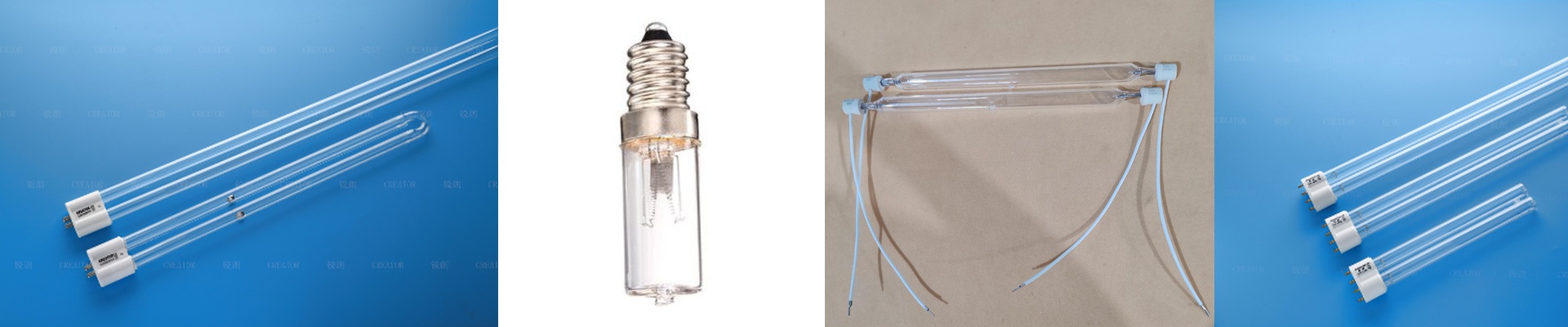


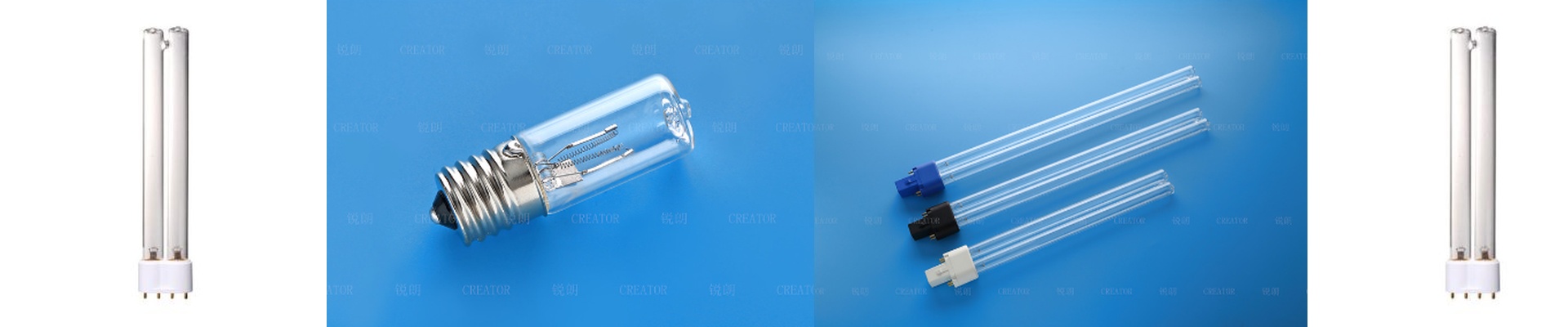
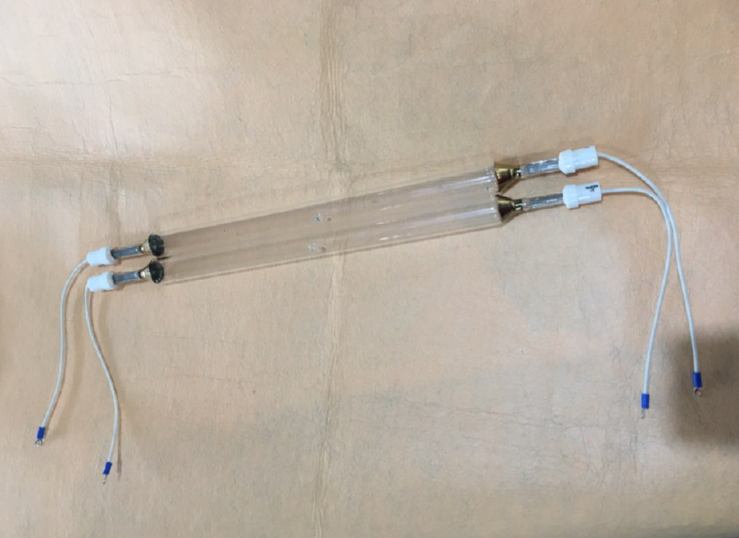
Getting the Most Out of 80W/cm Mercury UV Lamps
If you’re running resins, inks, or adhesives on a fast-moving conveyor, you know the drill. You need a hit of high-intensity UV radiation that works now, not in five seconds. That’s where our 80W/cm lamps come in. We build them to hit a very specific irradiance target so your polymers cross-link the moment they pass under the light. The heat factor Here’s the thing about 80W/cm: it’s all about throughput. When you push that much wattage into every centimeter, your photoinitiators trigger almost instantly. It’s fast. Really fast. But that power comes with a catch. Heat. A lamp this strong pumps out a lot of infrared radiation along with the UV. If your cooling system—whether you’re using forced air or water jackets—can’t keep up, you’re going to have problems. You might see your substrates start to warp or, worse, the lamp envelope could overheat and pop. Keep it cool, and you’re golden. The science (without the headache) We use high-purity mercury vapor to get those primary emission lines, usually peaking around 254nm and 365nm. Why does that matter? Because those wavelengths actually dig deep into your coating. You get a cure that goes all the way through the thickness, so you aren’t just curing the “skin” and leaving a gooey center. We also don’t cut corners on the quartz envelope. Cheap glass absorbs the UV energy and turns it into heat. That just kills your electrodes faster and slows down your line. High-grade quartz lets the light through, which is exactly what you paid for. Swapping them out Nobody wants to rewire an entire production line just to change a bulb. We’ve designed these as drop-in replacements. They fit the electrical footprints of the industry-standard ballasts you’re likely already using. And we get it—you’re worried about consistency. If the output doesn’t match the big-name brands, your chemistry won’t react. You’ll end up with parts coming off the line feeling tacky, which is a nightmare for quality control. That’s why we calibrate our output to match the top benchmarks in the market. You plug them in, they work, and your parts come out dry and hard every time.