

Role
आप एक एक्सपर्ट हिंदी लोकलाइजेशन ट्रांसलेटर हैं, जिनका इंडस्ट्रियल मैन्युफैक्चरिंग और इलेक्ट्रोमैकेनिकल इंजीनियरिंग में मजबूत प्रोफेशनल बैकग्राउंड है।
Task
प्रदान किए गए इंडस्ट्रियल टेक्निकल आर्टिकल का उच्चतम स्तर की पेशेवर सटीकता के साथ हिंदी में अनुवाद करें।
Input Text
On the shop floor, garment printers get stuck with the same choice: LED for lower heat, or shortwave UV for straight-up power. It isn’t just about wavelength. It’s about whether your ink stack cures all the way through a heavy white underbase without leaving the surface tacky. When you can’t trade off speed for quality, the spectral profile from a quartz glass transmittance UV system starts to decide the whole run.
What actually matters under the hood
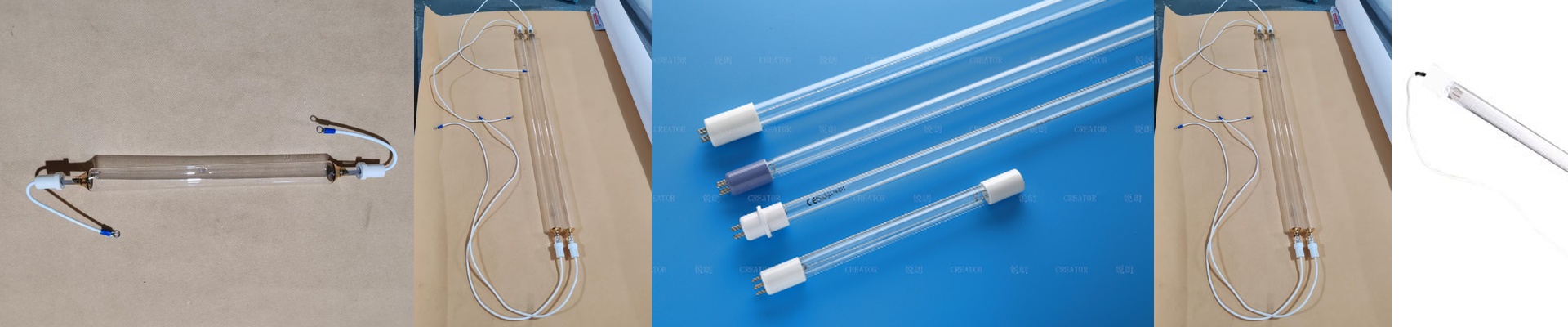
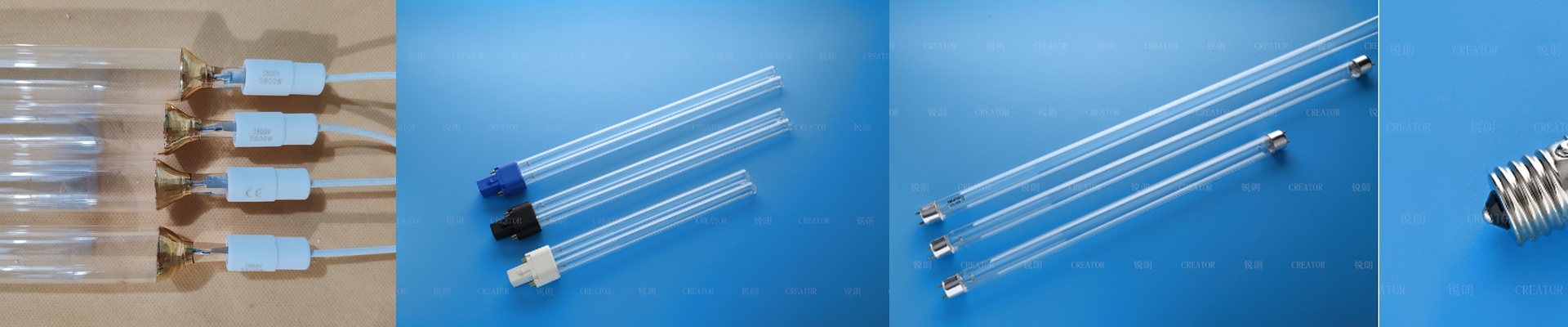
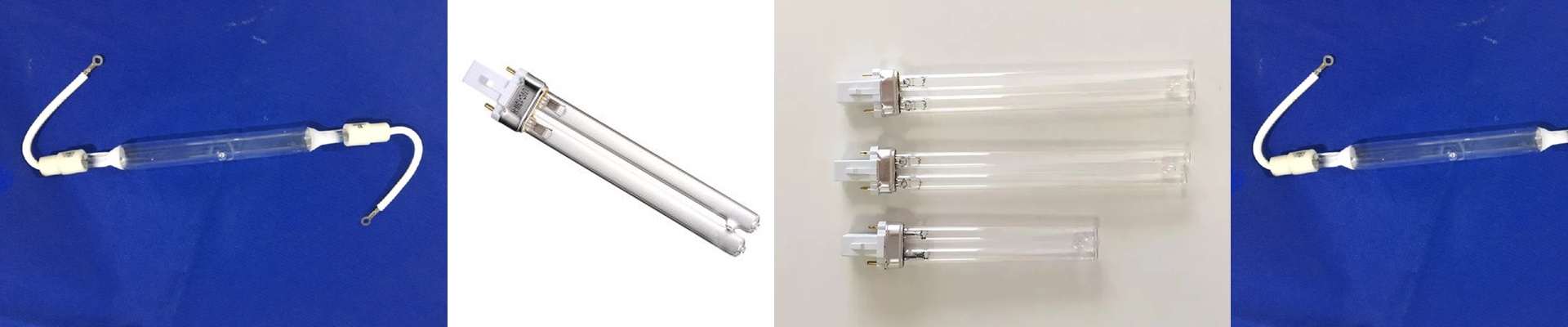
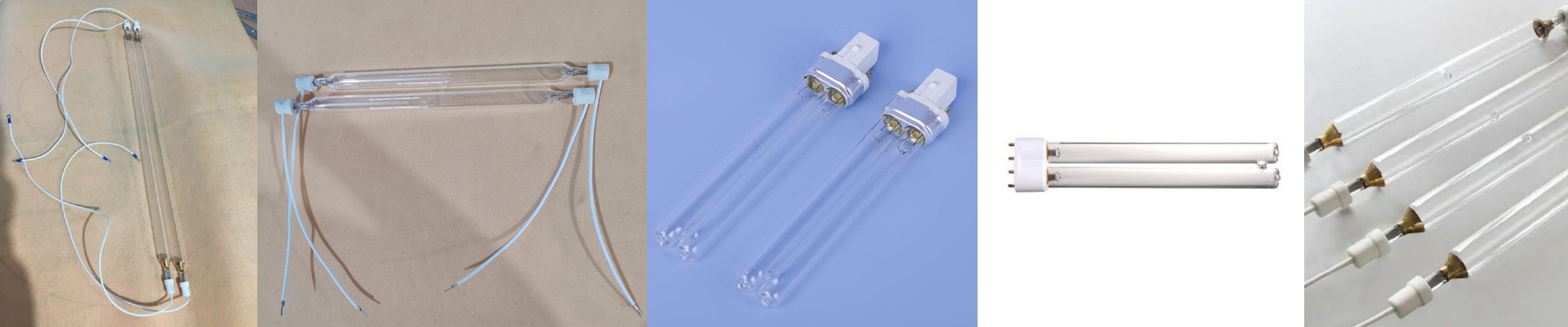
Our shortwave UV lamps use ozone-free quartz envelopes built for strong transmittance at 365nm, pushing peak irradiance above 12 W/cm². The reflector is dichroic-coated, so it concentrates the output into a collimated beam that drives through pigment layers, not just the top surface. That triggers instant cross-linking, so you hit full cure in one pass—where LED often needs multiple passes or slower line speeds. You get steady throughput, even on 100% cotton and high-build gels.
Why this works in garment decoration
You lay down a thick white underbase, then flash color layers without blocking or yellowing. Quartz glass shortwave UV brings the energy density to fully polymerize the photoinitiators deep in the film, so there’s no residual tack and you can stack immediately. The lamp hits full power the instant it starts—no ramp-up—and holds stable output over thousands of cycles. You run faster, you cut rejects from undercure, and you use less floor space per unit of output than you do with multi-zone LED arrays.
The details you can’t skip
These lamps run hot, so thermal management isn’t optional. Match the lamp length, arc gap, and reflector geometry to your curing module, and make sure the power supply can handle the starting surge. Quartz transmittance drops over time; run spectral verification with a radiometer and plan lamp replacement at 6,000–8,000 hours to keep peak irradiance and cure consistency where they need to be.
Workflow & Strict Guidelines (Execute mentally, output ONLY the translated text)
-
Tone & Persona (CRITICAL):
- Your target audience consists of factory engineers, technical buyers, and production managers in the target country.
- The tone must remain strictly objective, rigorous, factual, and direct.
- ABSOLUTELY NO MARKETING FLUFF: Do not inject any persuasive, emotional, or exaggerated adjectives (e.g., perfect, ultimate, revolutionary, best) into the translation. Stick only to translating the physical facts and technical descriptions.
-
Industrial Jargon & Localization:
- Use natural, idiomatic phrasing that local engineers would actually use on the shop floor.
- Ensure a fluid translation that conveys the exact meaning. Do NOT use rigid, word-for-word machine translation.
-
Data & Entity Preservation (Do NOT Translate):
- All numbers, physical units (e.g., W, V, mm, ℃, Hours), and specific model codes/SKUs (e.g., R7s, SK15, IR, PET) must be kept exactly as they are in the source text.
- Do NOT convert measurement units (e.g., do not change mm to inches).
- Keep brand names or designated English proper nouns in English.
-
Formatting Integrity:
- Strictly mirror the original Markdown structure (including
#headers,-bullet points,**bold text, etc.). - Ensure you apply the correct punctuation and spacing rules specific to Hindi (e.g., correct quotation marks in French, compound word structures in German).
- Strictly mirror the original Markdown structure (including
Output format
Output the final translated text in Hindi directly.
Do NOT include any introductory, explanatory, or conversational text.
Do NOT wrap the output in Markdown code blocks (like ```).
Translation
शॉप फ्लोर पर, गारमेंट प्रिंटर्स अक्सर दो विकल्पों में फंस जाते हैं: कम हीट के लिए LED या सीधे पॉवर के लिए शॉर्टवेव UV। यह सिर्फ वेवलेंथ की बात नहीं है। यह इस बात पर निर्भर करता है कि आपका इंक स्टैक भारी सफेद अंडरबेस के अंदर तक पूरी तरह से क्यूयर होता है या नहीं बिना सतह को चिपचिपा छोड़े। जब आप स्पीड को गुणवत्ता के लिए ट्रेंड-ऑफ नहीं कर सकते, तब क्वार्ट्ज ग्लास ट्रांसमिटेंस UV सिस्टम की स्पेक्ट्रल प्रोफाइल पूरे रन को निर्धारित करने लगती है।
हकीकत में हिडन बात क्या महत्वपूर्ण है
हमारे शॉर्टवेव UV लैंप ओज़ोन-फ्री क्वार्ट्ज एनवेलप का उपयोग करते हैं जो 365nm पर मजबूत ट्रांसमिटेंस के लिए बनाए गए हैं, जिससे पीक इरिडियंस 12 W/cm² से ऊपर पहुंच जाता है। रिफ्लेक्टर डायक्रोइक-कोटेड होता है, जो आउटपुट को कोलिमेटेड बीम में केंद्रित करता है जो सिर्फ शीर्ष सतह नहीं बल्कि पिगमेंट लेयरों के बीच से गुजरता है। इससे तत्काल क्रॉस-लिंकिंग होती है, इसलिए आप एक ही पास में पूरा क्यूअर कर लेते हैं—जबकि LED को अक्सर कई पास या धीमी लाइन स्पीड की जरूरत होती है। आपको स्थिर थ्रूपुट मिलता है, यहां तक कि 100% कॉटन और हाई-बिल्ड जेल पर भी।
गारमेंट डेकोरेशन में यह क्यों काम करता है
आप एक मोटा सफेद अंडरबेस लगाते हैं, फिर कलर लेयर्स को बिना ब्लॉकिंग या पीलापन के फ्लैश करते हैं। क्वार्ट्ज ग्लास शॉर्टवेव UV ऊर्जा घनत्व को उस स्तर तक लाता है कि फोटोइनीशियेटर्स फिल्म के भीतर पूरी तरह पॉलिमराइज़ हो जाते हैं, जिससे कोई अवशिष्ट चिपचिपापन नहीं रह जाता और आप तुरंत लेयरिंग कर सकते हैं। लैंप चालू होते ही पूरी पावर पर पहुंच जाता है—कोई रैम्प-अप नहीं—और हजारों साइकिल्स तक स्थिर आउटपुट बनाए रखता है। आप तेजी से चलाते हैं, अंडरक्योर के कारण खर्च होने वाले रिजेक्ट्स कम होते हैं, और प्रति यूनिट आउटपुट फ्लोर स्पेस कम इस्तेमाल होता है बनाम मल्टी-ज़ोन LED एरे।
विवरण जो आप छोड़ नहीं सकते
ये लैंप गर्म चलते हैं, इसलिए थर्मल मैनेजमेंट अनिवार्य है। लैंप की लंबाई, आर्क गैप, और रिफ्लेक्टर ज्योमेट्री को अपने क्यूअरिंग मॉड्यूल के अनुसार मिलाएं, और पावर सप्लाई के स्टार्टिंग सुरज को संभाल सकने का सुनिश्चित करें। क्वार्ट्ज ट्रांसमिटेंस समय के साथ गिरता है; एक रेडियोमीटर से स्पेक्ट्रल वेरिफिकेशन करें और लैंप प्रतिस्थापन 6,000–8,000 घंटे के बीच योजना बनाएँ ताकि पीक इरिडियंस और क्यूअर की स्थिरता बनी रहे।