


Why We Obsessed Over a 0.5% Difference in UV Curing
Most UV lamps you’ll find are just “general purpose.” They put out a broad range of light and hope for the best. We decided to do things differently. Our team spent months chasing something very specific: spectral energy concentration. To be honest, we spent an embarrassing amount of time fighting for a tiny 0.5% increase in energy density. But in the world of high-speed industrial lines, that tiny sliver of energy is where the magic happens.
It’s not about the raw power
Here’s the thing about UV curing: total wattage is kind of a vanity metric. It looks great on a spec sheet, but it doesn’t tell you if the job is actually getting done. What really matters is how much energy actually hits the photo-initiator at the exact wavelength it can absorb. If your spectrum is too wide, you’re just wasting electricity and creating a bunch of useless heat. We fixed this by tweaking the gas mixture and the way the electrodes are shaped. Now, the photons are concentrated right where the chemistry actually reacts.It’s precise.
The trade-offs (because there’s always a catch)
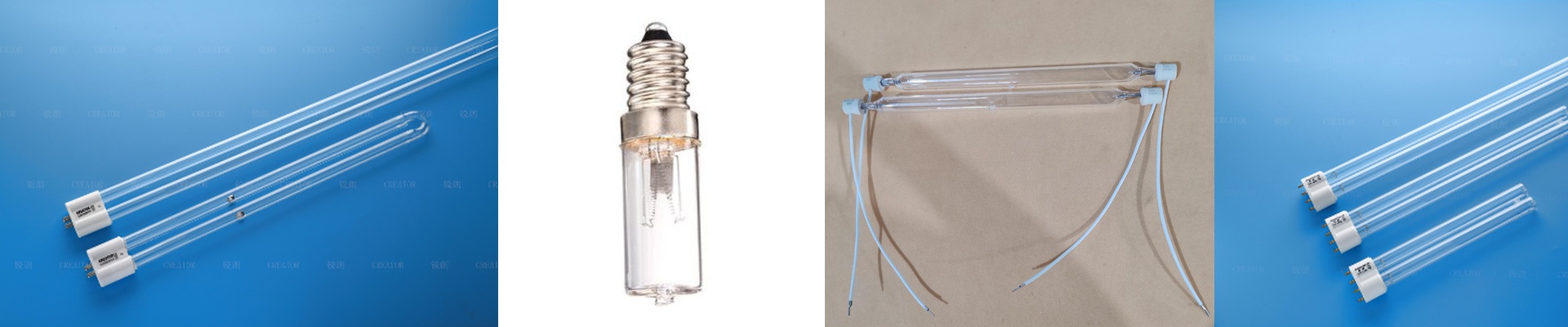
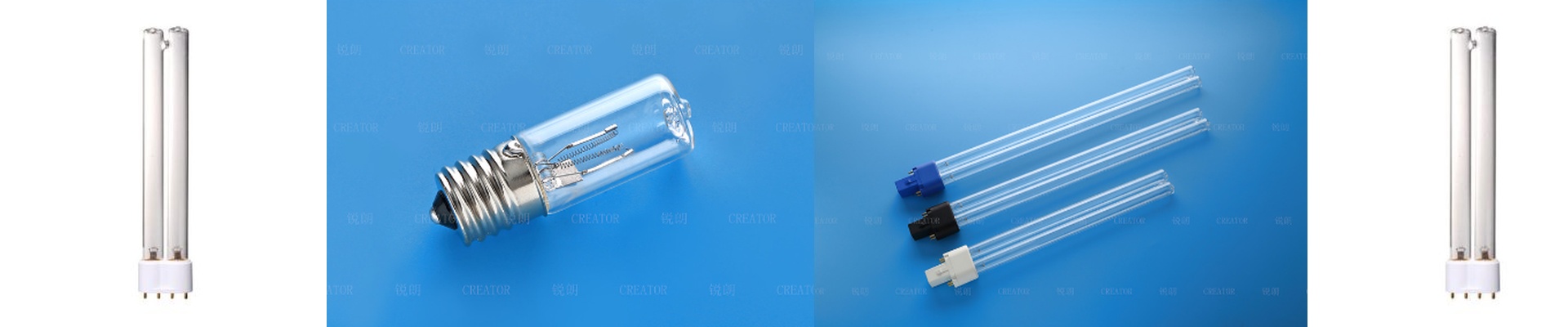
Pushing that much energy into such a narrow band creates some real-world headaches. Specifically, it cranks up the internal pressure inside the tube. To stop the glass from “solarizing”—that annoying clouding effect that eventually blocks the UV light—we switched to a high-purity fused quartz envelope. But a word of warning: this level of focus makes the lamp head run hot. Really hot. If you try to plug this into a system with a tiny, dusty cooling fan or a clogged heat sink, you’re going to burn through your lamps way too fast. The energy is focused, but the heat doesn’t just disappear.
Making it work on your line
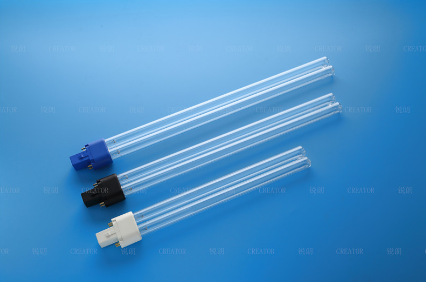
We didn’t want you to have to rebuild your entire factory just to use these. We kept the physical size standard, so they just slide right into your existing jigs. And that 0.5% increase we mentioned? It actually pays off. It lets you shorten the conveyor dwell time. You get a full, hard cure in a shorter distance. That means you can finally crank up the line speed without worrying about tacky surfaces or those frustrating uncured undercuts. It just works.