


Why Wavelength Actually Matters in UV Systems
Here is the reality of UV lamps: if your wavelength is off by just a few nanometers, you’re in trouble. Your curing speed tanks, or your sterilization just doesn’t happen. Most bulbs you buy off the shelf throw out a broad, messy spectrum. We do things differently. We spend our time in the lab tweaking gas mixtures and quartz doping to hit one exact peak. That’s the sweet spot needed to actually snap molecular bonds in polymers or wreck the DNA of a pathogen.
The Technical Headache
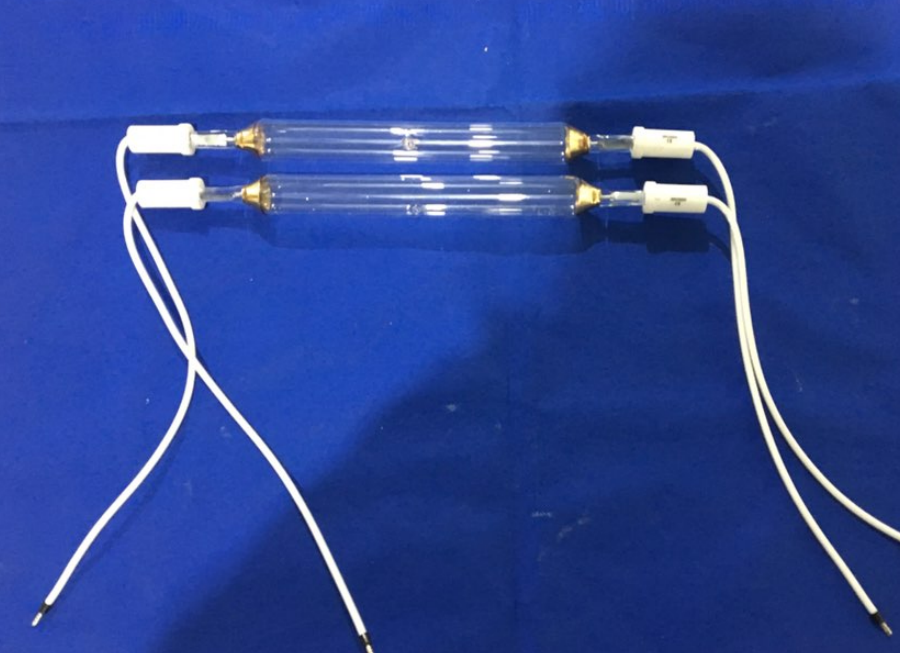
It’s a huge difference between 254nm and 365nm. One kills a virus; the other cures a resin. You can’t swap them. We use high-purity synthetic quartz because standard borosilicate glass is basically a wall—the UV-C light just won’t get through it. Then there’s the heat. Pushing more power into a tiny space increases your irradiance, but it also makes the lamp run hot. Really hot. We build our tubes to take that thermal hit so the electrodes don’t just fry. But you have to do your part. If your cooling fans or water jackets can’t handle the heat, your bulbs are going to die way faster than they should.
Getting It Into Your Workflow
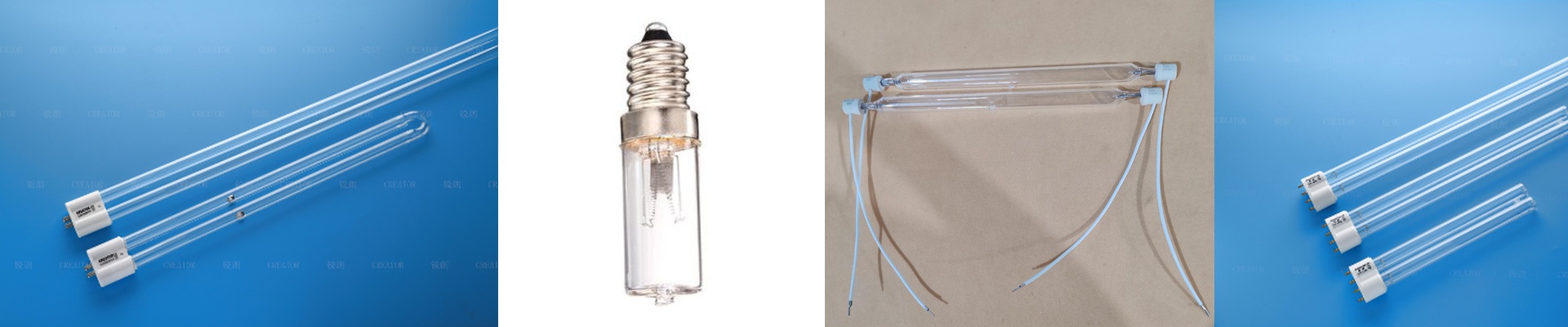
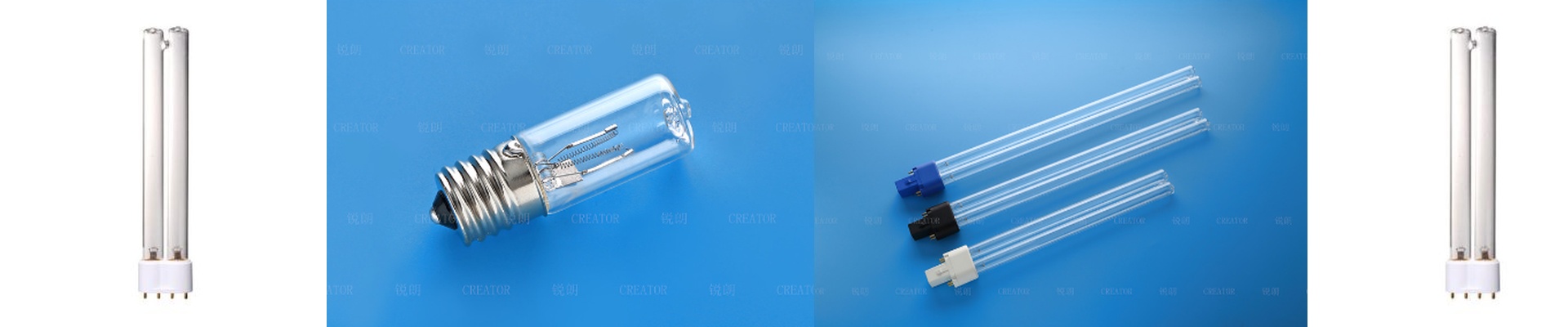
We make these for easy, drop-in replacement. Whether you’re setting up a conveyor line or a medical chamber, the connectors need to stay put. We’re obsessed with the seal between the lamp and the socket. Why? Because nobody wants ozone leaking into the room or electrical arcs sparking where they shouldn’t. And here is the best part: our lamps don’t “drift.” Cheap bulbs often shift their wavelength as they get older. It’s a nightmare because you end up having to tweak your line speed every couple of weeks just to keep quality up. With our tubes, the wavelength stays stable. You just swap the bulb and keep the line moving. Simple.