
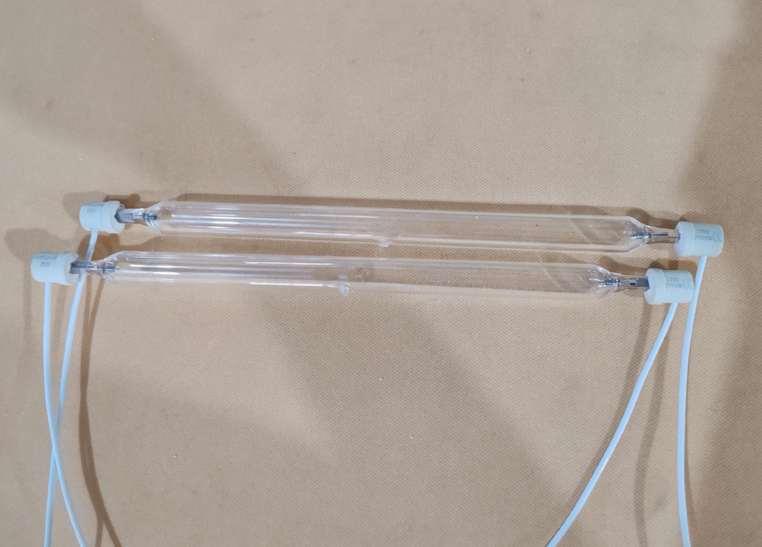
Stop Buying Generic UV Tubes
Most suppliers just ship you a tube and wish you luck. We don’t do that. To us, making a UV lamp isn’t about moving inventory—it’s about figuring out why your curing line is slowing you down and fixing it.
Getting the Physics Right
When we talk about specs, we look way beyond just wattage. It’s really about the chemistry. See, if the wavelength of your lamp doesn’t match the photoinitiators in your ink, it just won’t work. You’ll end up with surfaces that feel tacky to the touch or ink that peels right off the substrate. It’s frustrating. To stop that, we tweak the gas fill and the electrode shape until we hit the exact peak wavelength your material needs. Then there’s the heat. If you cram too many watts into a short tube, you’re asking for trouble. You’ll either warp your substrate or burn out the lamp way too soon. We balance the voltage and amperage so the light hits the entire web evenly. No hot spots, no dead zones.
The Hardware Side of Things
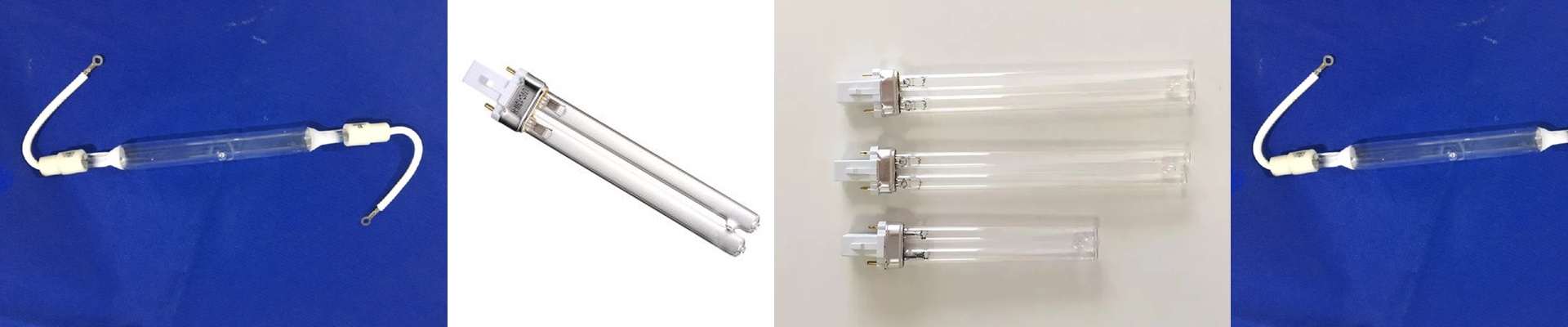
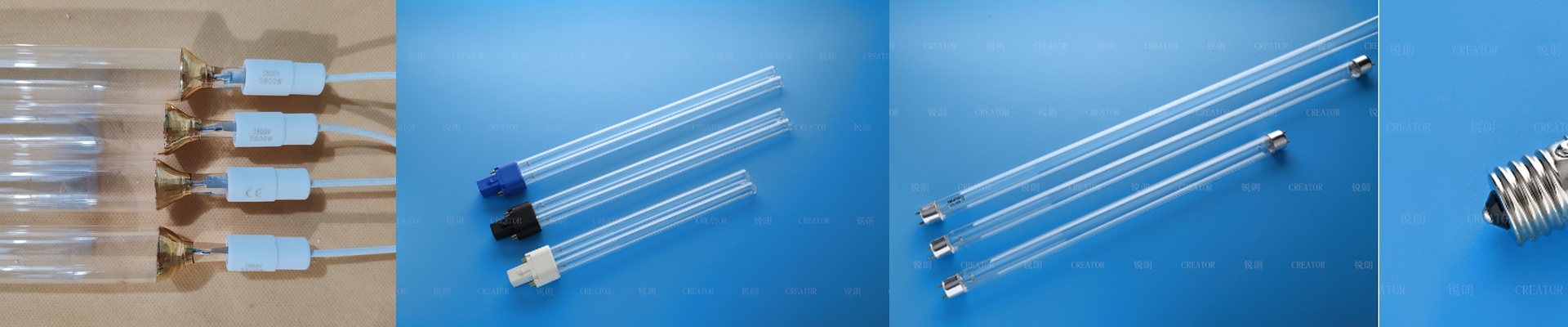
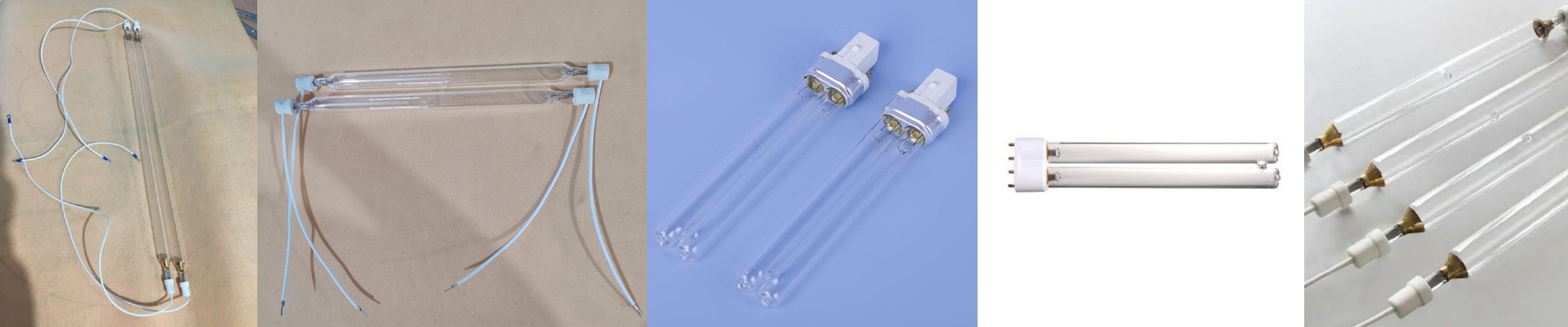
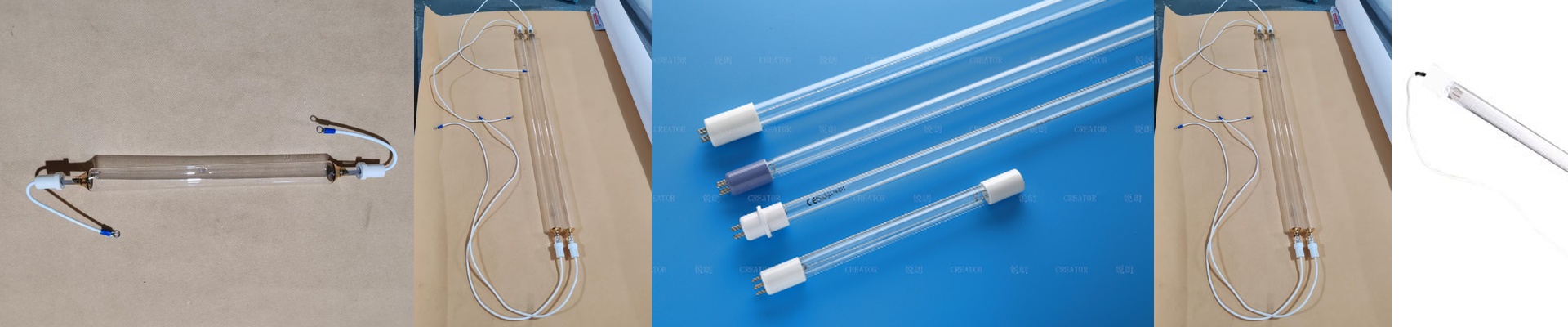
We can make these as simple drop-in replacements or build something entirely custom from the ground up. Whether it’s a weird end-cap or a specific connector, the goal is a rock-solid electrical connection. You don’t want to deal with arcing when you’re running high voltage. We use high-purity quartz because it lets the UV light through without absorbing it. But keep in mind: high-intensity lamps get hot. Really hot. If you’re working with a heat-sensitive film, you’ll want to pair our lamps with a chilled roller or a heavy-duty exhaust system. Otherwise, you’re just going to warp your product.
Moving Your Line Faster
At the end of the day, this is all about speed. When your UV dose is dialed in perfectly, you can crank up the conveyor speed without worrying about whether the ink is actually cured deep down. We aren’t just shipping you a part. We’re helping you tune your equipment to your specific ink and line speed. It means less wasted energy, less wasted ink, and a lot less stress on your floor.