
Getting Your Textile Prints to Actually Stay Put
We build modular UV curing systems because, let’s be honest, textile printing is tricky. You aren’t just shining a light on some fabric; you’re trying to lock ink into fibers instantly without accidentally burning a hole through the shirt.
Scaling things up (without the headache)
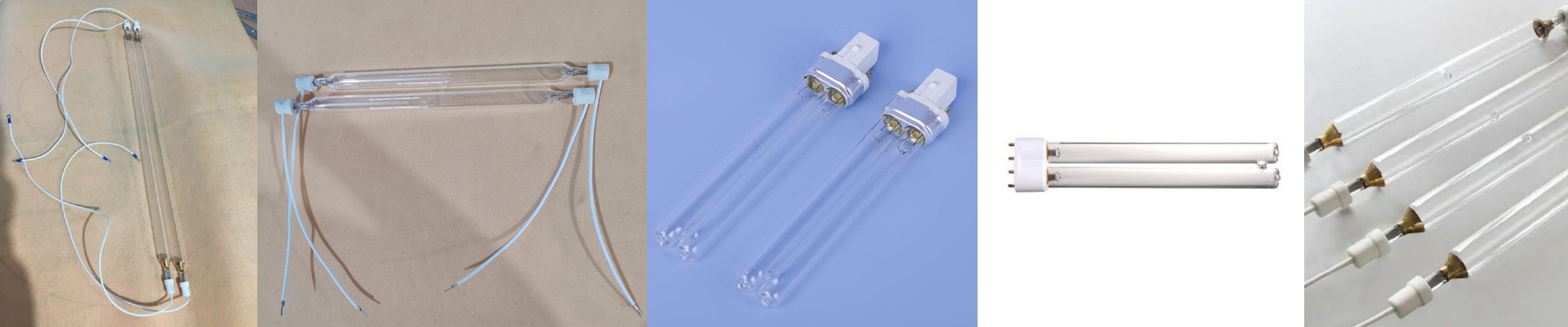
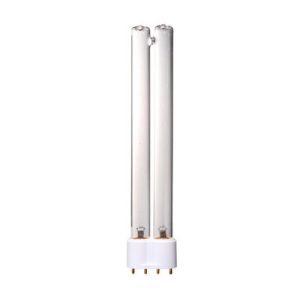
Here is how we handle the setup. Instead of giving you one giant, rigid machine, we make it modular. Why? Because your line speed changes. If you’re cranking out orders on a high-speed conveyor, you just snap in more lamp modules. It’s all about getting enough energy (that J/cm² stuff) onto the fabric so the ink sets properly. There is nothing worse than the “surface-dry” trap. That’s when the print looks perfect coming off the line, but the second it hits a washing machine, the ink peels right off. We tune our wavelengths to make sure the UV actually digs deep into the ink layer. It stays put.
Keeping it cool
UV lamps get hot. Really hot. If you aren’t careful, that heat can shrink your fabric or mess with your colors. To stop that from happening, we use filtered quartz glass and special coatings. They basically act as a shield—blocking the heat-heavy IR rays but letting the curing UV light slide right through. Just a heads-up: you’ve got to balance your lamp power with your cooling fans. If your fans can’t keep up with the heat, you’ll end up with hot spots on your fabric. And nobody wants that.
Real-world maintenance
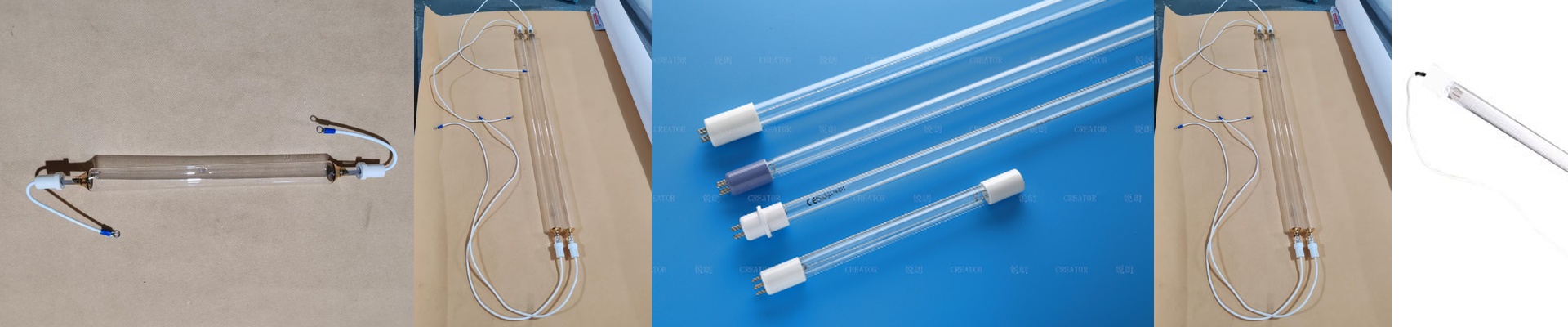
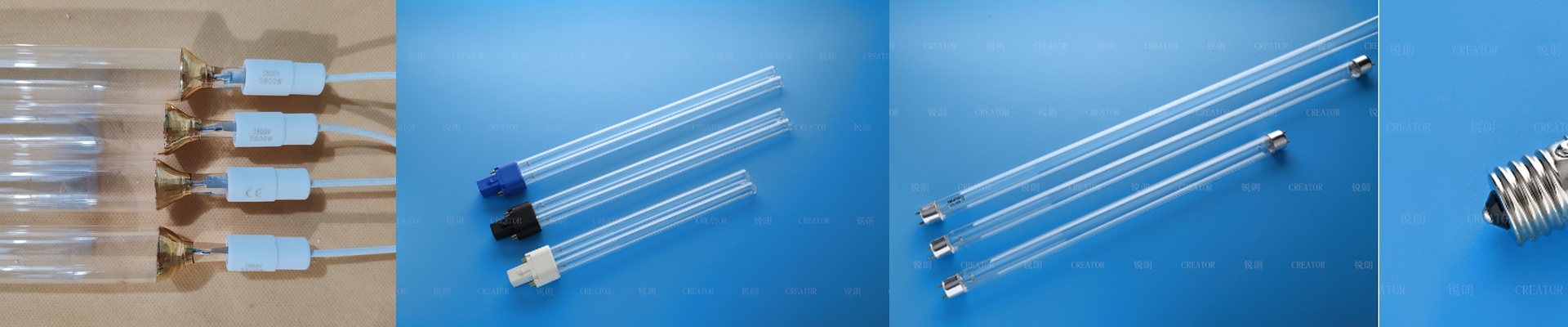
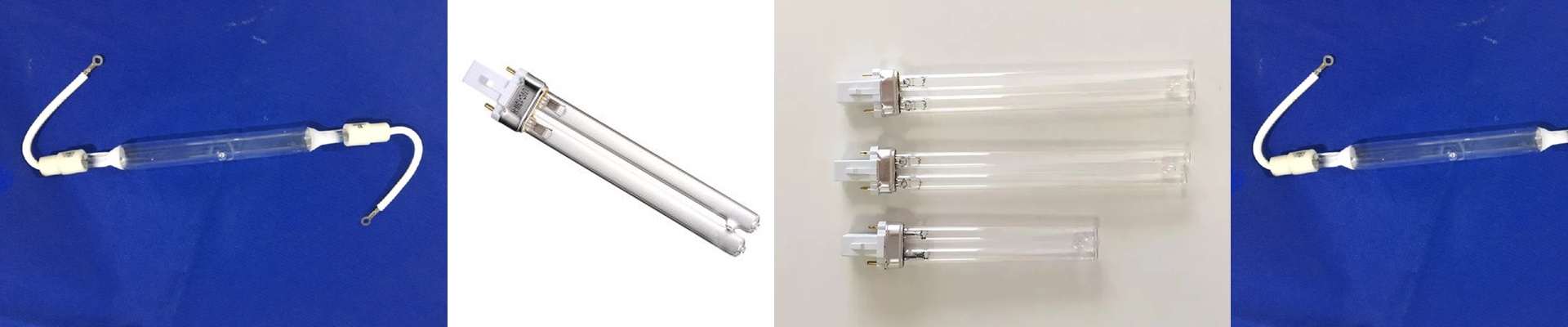
We design these for the actual shop floor, not a clean room. When a tube finally burns out, you don’t have to tear apart your entire conveyor line. You just pop the module out and drop a new one in. We kept the wiring simple because downtime is a profit-killer. One thing to keep in mind: high-intensity UV eventually wears down the reflectors. Every few hundred hours, you’ll need to grab a cloth and wipe down those aluminum reflectors. Dust builds up, and dust kills your output. It’s a manual chore, sure, but it’s the only way to make sure your cure times stay consistent day after day.