

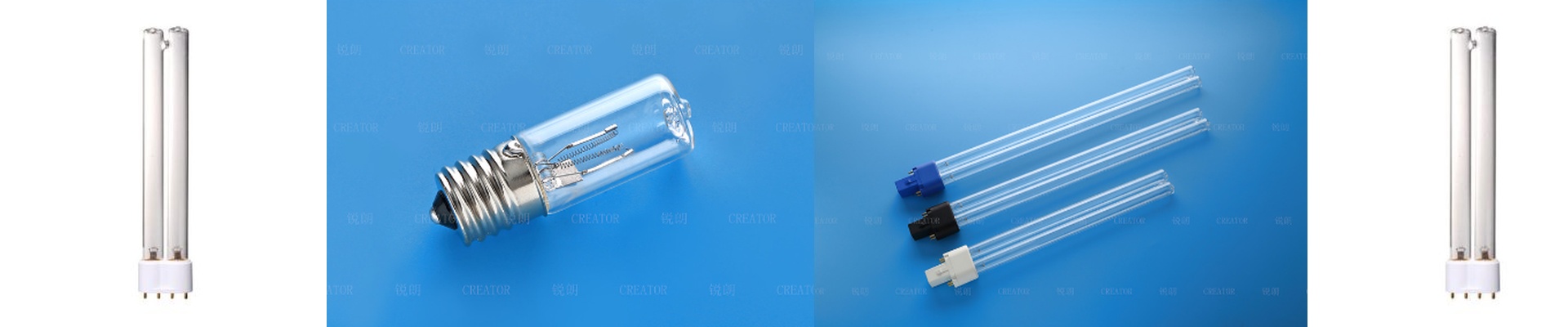
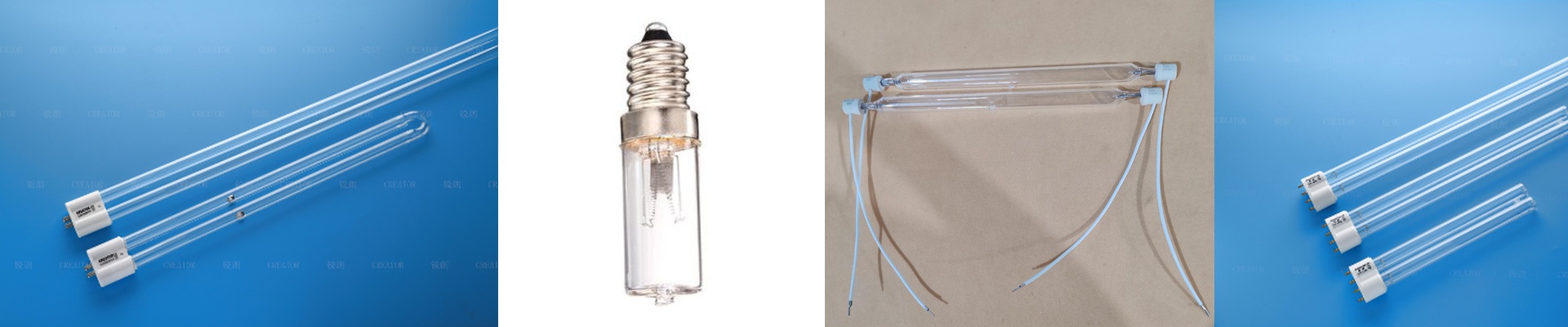


Global supply chains don’t forgive weak links. If your UV curing lamp is a generic import, a port holdup or a patent fight can shut you down within hours. You need a supplier that actually owns the core lamp design, not a distributor reselling someone else’s parts. We build Uvitron UV curing lamps around proprietary arc tube geometry and reflector optics, backed by our own patents. That control gives you a supply path you can defend, and lead times you can plan around. What matters under the hood We match the lamp to the photoinitiator response curve. Our medium-pressure mercury vapor lamps deliver stable spectral output with strong 365 nm peaks and broadband UV, hitting peak irradiance above 8 W/cm² at the substrate when paired with our dichroic-coated elliptical reflectors. Dose control becomes repeatable—often 800–1200 mJ/cm² across a 300 mm wide web at 100 m/min—without chasing lamp power alone. Power density is matched to arc length, so cross-linking stays consistent from center to edges. Why this plays on the shop floor Patent protection turns into real-world resilience. With Uvitron, you sidestep import uncertainty tied to third-party lamp IP and reduce compliance exposure in export-controlled markets. On the press, the lamp stabilizes cure windows, cuts rejects from incomplete cure, and keeps ink adhesion consistent shift after shift. Energy draw is optimized, and lamp life is tracked against output decay, not just calendar time. The fine print Match the lamp to the system. You only get the rated output when the reflector, shutter aperture, and distance are set per the spec sheet. Some presses need a custom arc length or connector—verify compatibility before you install. Also, ozone-free variants trade a bit of peak short-wave output; confirm the spectral profile against your ink formulation.