



Getting Your UV Lamps Right for High-Volume Printing
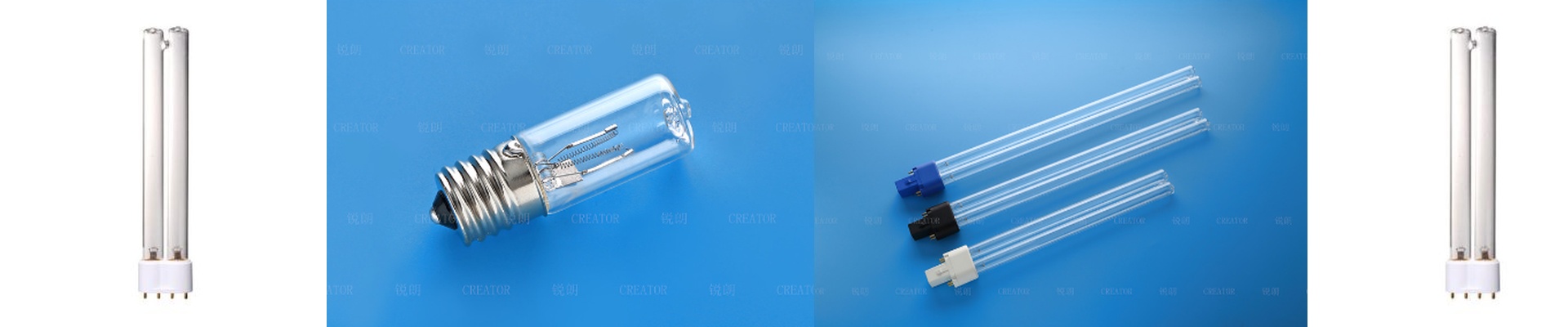
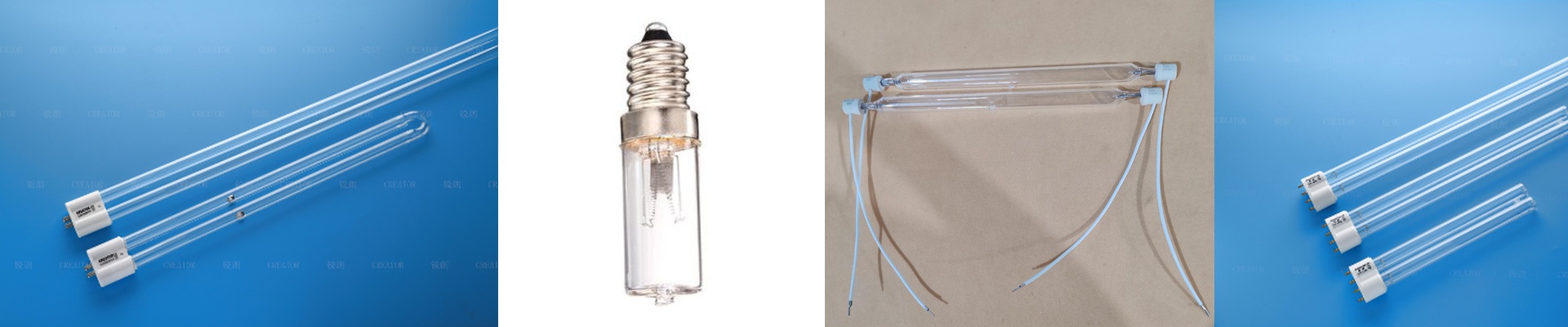
We spent some time visiting 3,000 different printing plants. We wanted to see where these UV curing systems actually fall apart in the real world. What we found was interesting. Usually, it’s not the bulb’s fault. The real problem is a mismatch—the lamp just isn’t keeping up with how fast the press is running. Looking toward 2026, the industry is moving away from “one size fits all” tubes. Now, it’s all about designing the lamp for the specific job it has to do. The heat struggle To cure ink instantly at high speeds, you need a lot of power. But here’s the catch: when you crank up the wattage to get more UV output, the heat spikes. If you don’t have a cooling system that can actually keep up, you’re going to have a bad time. Your substrate might warp, or worse, you’ll scorch the ink. You need a cooling jacket that pulls that heat away fast. It keeps the lamp stable and your prints clean. Matching the light to the ink Not all UV lamps are created equal. Your ink has specific photoinitiators, which means you need a specific wavelength to make it work. We deal with both short-wave and long-wave needs. Mercury-vapor lamps are still the old reliable for deep curing. Then you have LED-UV, which is great for surface curing because it doesn’t take up much space. It’s a trade-off. LEDs save you money on power and they last longer, but they just can’t punch through thick coatings the way a medium-pressure lamp can. Making it actually work in the shop We design these units to be drop-in replacements. No one wants to spend a weekend rebuilding their machine just to swap a lamp. The connectors and brackets should just fit. We use reinforced quartz glass because heavy-duty presses vibrate—a lot. Regular glass would just crack. And a quick tip on the wiring: make sure the ballast matches the lamp’s impedance perfectly. If they aren’t in sync, the tube burns out way too early. Getting the electronics right can stretch the life of your tube by about 20%. That’s a lot of fewer swaps and a lot less downtime.