


Stop the Flicker: Getting Your UV Tubes to Actually Behave
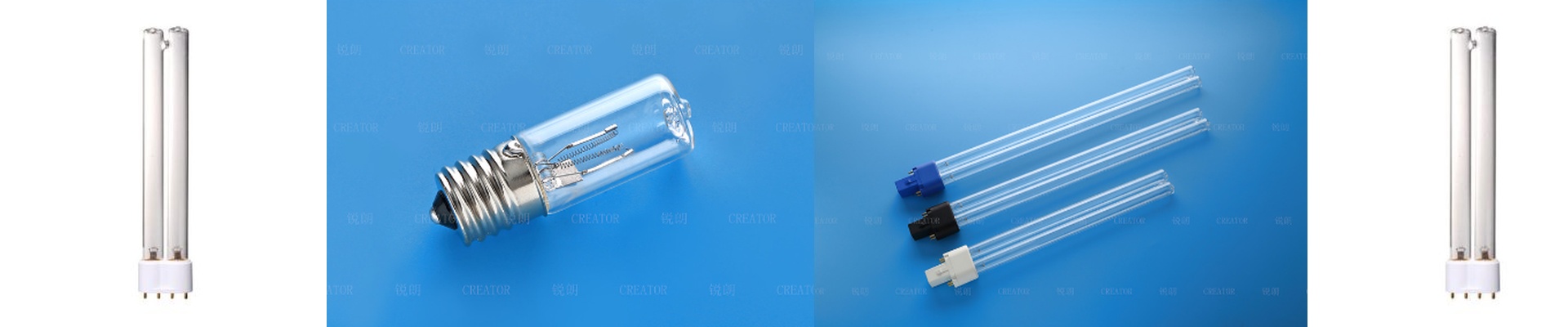
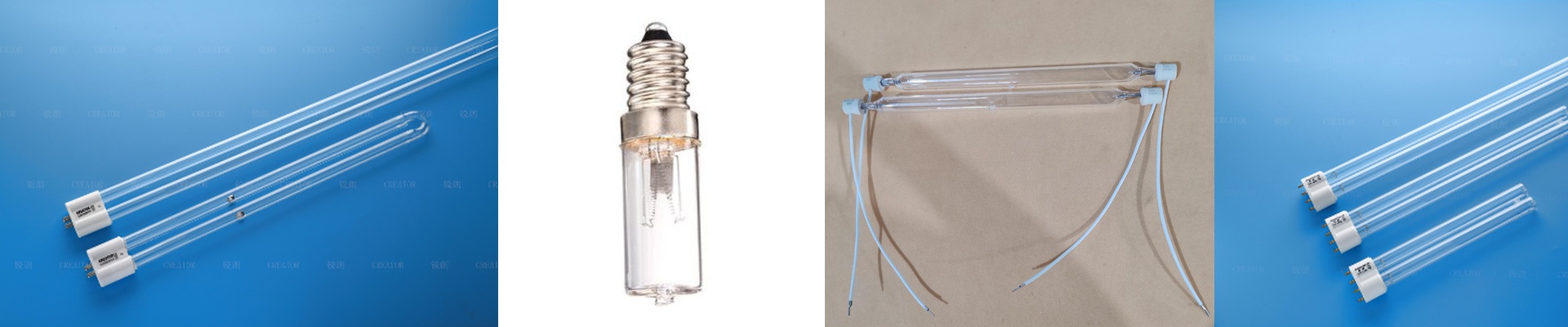
Mercury UV tubes are the backbone of industrial drying, but they’ve got a weakness: they’re sensitive. If you’re running a shop with several big presses all humming at once, you’ve got a lot of “electrical noise” floating around. All those heavy motors and power converters create interference that messes with the tubes. You’ve probably seen it—the flickering, the instability, or tubes just quitting way before they should. It’s a headache nobody needs. Keeping things steady We built our long-life mercury tubes specifically for these kinds of chaotic environments. The secret isn’t magic; it’s in the details. We tightened up the electrode construction and used a super-pure mercury fill. We also used high-grade quartz and dialed in the internal gas pressure. Why does that matter? Because it stops stray currents from triggering those erratic discharges. You’ll really notice the difference when the shop is at full tilt. While standard tubes might start stuttering because the voltage is jumping around, ours stay locked in. No “stutter,” no weird curing streaks on your work—just a clean, steady arc. The trade-off with longevity We wanted these tubes to last, so we focused on the electrodes. We use a specific alloy that doesn’t wear down as fast during the start-up phase. It keeps the light output strong for a lot longer. But here’s the thing: you can’t just push them to the limit. If you overdrive the tube to shave a few seconds off your cure time, you’re going to burn those electrodes out. It’s a balance. Just make sure your ballast is matched to the tube’s rated wattage and you’ll be fine. Real-world use These are drop-in replacements. They fit right into most high-speed lines and they’re built to take a beating. In a 24/7 production cycle, every minute of downtime is basically burning money. We made these to stay stable even when the air is thick with EMI from the machinery next door. One quick tip:**Keep your cooling fans clean.**These tubes put out a massive amount of heat. If they overheat because of dust and debris, it doesn’t matter how stable the electricity is—the tube will die early. Keep them cool, and they’ll keep working.