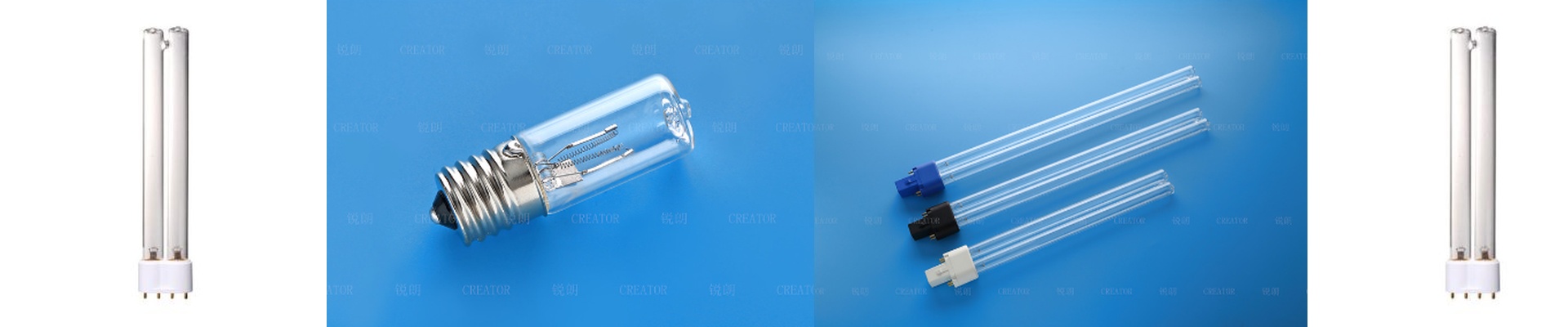

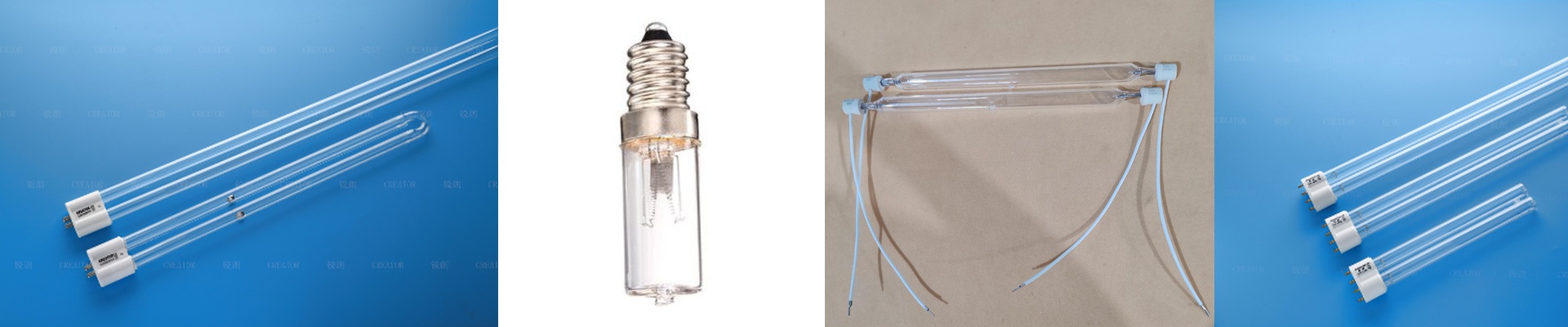


Getting the Most Out of Your Mercury Vapor Bulbs
Let’s be honest: mercury UV lamps are the real heavy lifters in the printing world. If you’re running a plant where ink needs to dry in a heartbeat, these are the bulbs doing the dirty work. It’s pretty simple science—an electric arc hits the mercury vapor, blasts out a wide range of UV light, and tells your ink to set now. The heat struggle When we talk about power, we’re looking at how much punch (irradiance) hits your material. If you’ve got thick ink or a conveyor belt moving at warp speed, you need those high-wattage bulbs. They get the job done fast. But there’s a catch. All that power creates a ton of heat. If your cooling fans are weak or your water jackets aren’t up to the task, you’re asking for trouble. You’ll end up with warped quartz or a bulb that burns out way before it should. It’s a balancing act. Why the build matters We don’t use regular glass. Why? Because regular glass blocks the exact UV wavelengths you’re paying for. We use high-purity fused quartz so the light actually gets through. For the smaller shops, we know you aren’t always looking to buy a whole new rig. That’s why we make custom lengths and diameters. They just slide right into your current housings. It’s a way to avoid those overpriced OEM bulbs that cost three times as much for the same result. We also spend a lot of time on the electrode geometry. Most cheap bulbs fail at the end-caps first; we build ours to actually last. Upgrading without breaking the bank I see a lot of mid-sized shops getting squeezed by the cost of proprietary systems. It’s frustrating. You don’t actually need to replace your entire machine to get better results. You can just swap in our wholesale bulbs, wire them to your existing ballasts, and make sure your shielding is tight so no UV light leaks out. It’s a straightforward swap. You get the same professional cure as the big players, just without the brand-name markup.