

Introduction
When you’re testing how long a coating really lasts, you can’t leave anything to chance. Regular UV lamps throw out a messy, unpredictable spectrum, which just muddles your results. So we built a UV lamp for the lab—one that’s all about precision. It gives you a clean, perfectly tuned beam of UV, so your tests actually match how the material performs in the real world, without any stray wavelengths messing things up.
The Specs That Actually Matter
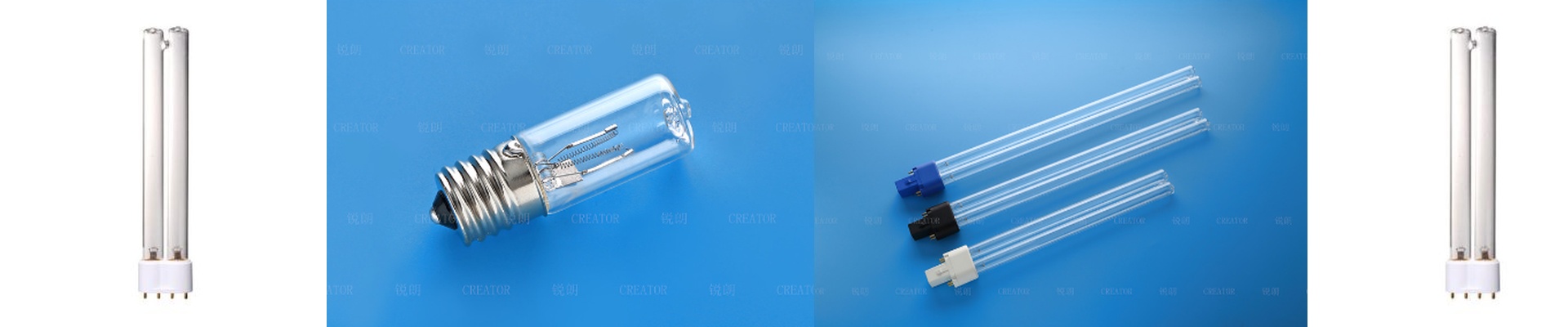
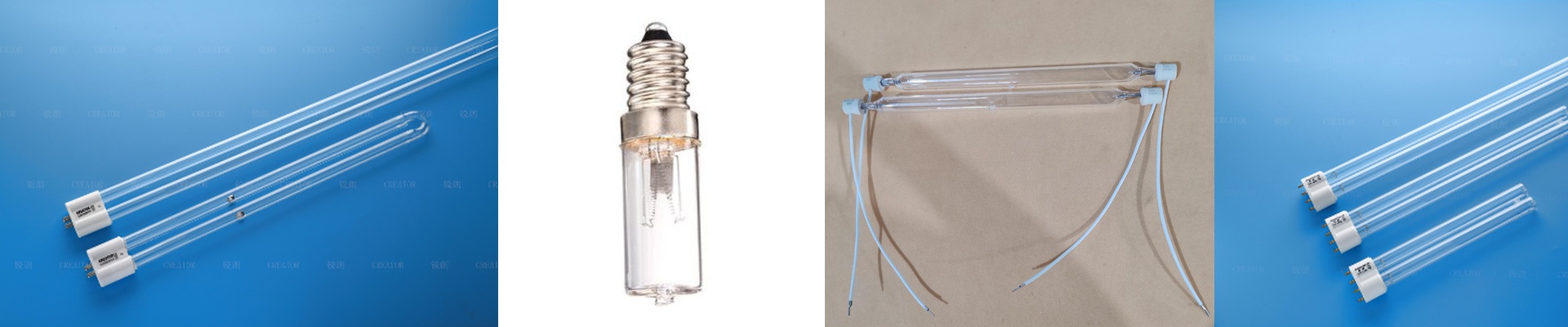
Let’s get into what makes this thing work. We set the lamp up to match the physics of what you’re doing. It runs on 400V, which is standard for lab power supplies, giving you steady, reliable output—even during those marathon test sessions. The tube is 300mm long and just 10mm across, so it slips right into tight reaction chambers without taking up extra space. At 2500W, it delivers the kind of power you need to fast-forward through aging. But heads up—that power comes with serious heat. You’ll need to plan your cooling carefully, whether it’s airflow or a water loop.
The Nitty-Gritty Build
It all starts with the core. We use ultra-pure quartz and carefully tuned fill gases to shape the light exactly how we want it. Then we add optical coatings to filter out unwanted IR and extra UV bands. The result? A tight, clean spectrum focused on exactly the wavelengths you need. The R7s connector is a simple, proven bi-pin design that locks in solid and carries the current without a hitch. It’s a direct fit for most standard fixtures, so you can get wired up quickly and avoid hot spots.
What This Means for Your Testing
If you’re testing coating durability, you need exposure that feels like real sunlight—without the noise. This lamp holds its spectral output steady, so you get consistent curing, consistent degradation, and results you can count on, every single time. It’s compact enough to drop straight into your existing setup, and the tough quartz construction can handle being switched on and off day after day. Just remember—it runs hot when you push it. So build your chamber to manage that heat. Do that, and you’ll get clean, reliable data, batch after batch.