
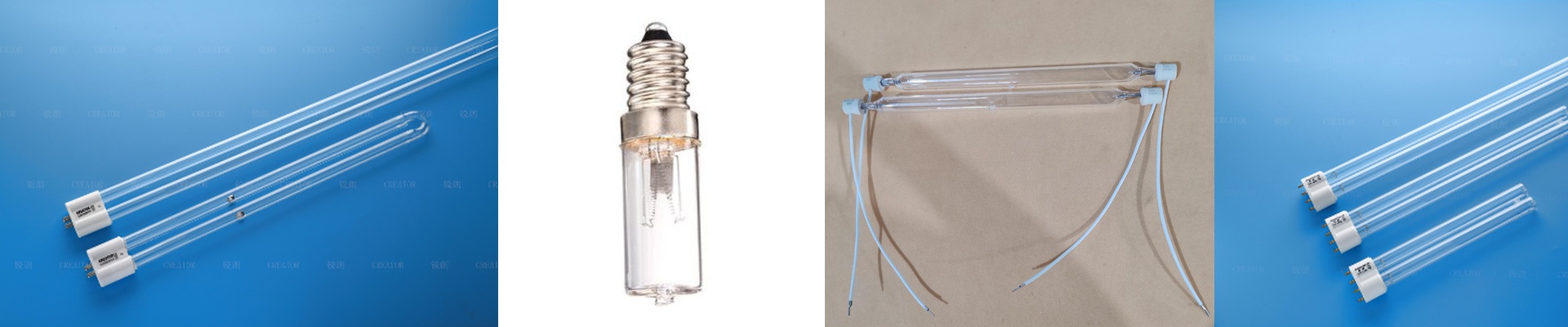

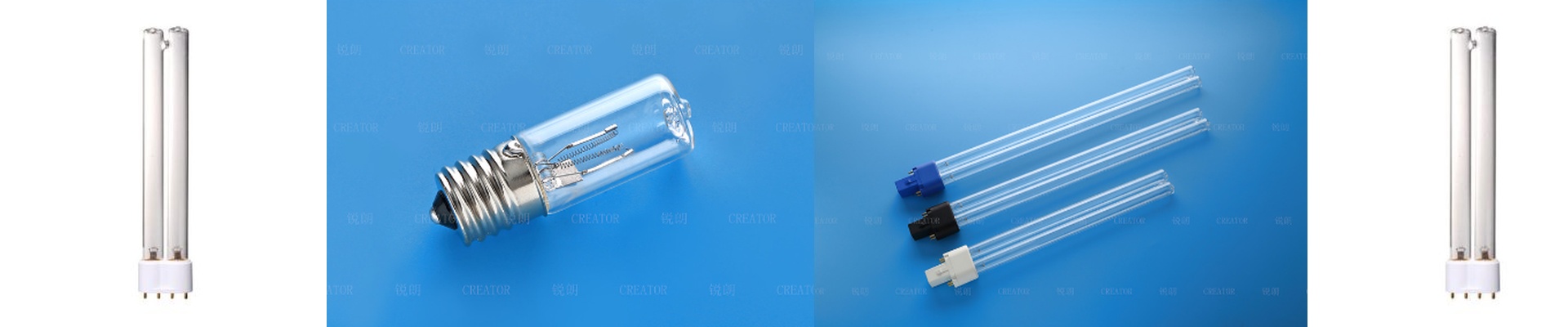

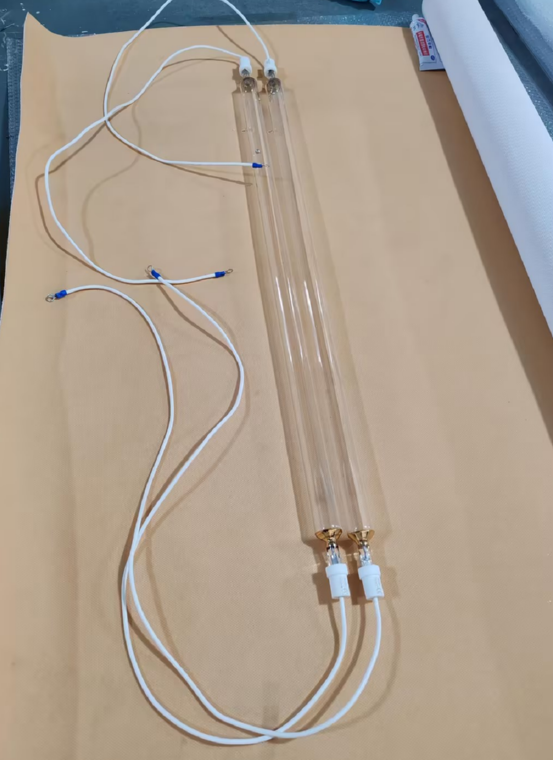
On the line, you know the feeling: car paint coating cures uneven, throughput crawls, solvent gets trapped, cross-linking comes up short. What you need is repeatable energy density and stable spectral output—no guesswork. We build UV curing lamps to hit that mark, designed around the chemistry and geometry of automotive coatings. What actually matters Our high-pressure mercury vapor lamps put out a defined spectrum with strong peaks at 365 nm and 385 nm, right where the photoinitiators in clearcoats and pigmented systems live. Peak irradiance hits 1200 mW/cm² at the arc center, delivering 1200–1800 mJ/cm² at typical dwell distances. Reflectors use dichroic coatings to push UV forward and keep IR heat off the substrate. Ozone-free quartz envelopes keep the workspace cleaner, and stable arc geometry keeps dose uniform across the part. Under controlled junction temperature, you can expect 5,000+ hours with under 5% output decay. Why it sticks in automotive finishing You run wide formats, complex contours, and fast line speeds. The lamp’s high UV energy density drives complete cross-linking, knocking out tack and giving you adhesion that holds up through assembly and polishing. Repeatable energy density cuts scrap—no more under-cure at line edges or over-cure where dwell peaks. The upshot: faster cycle times, lower energy draw per part, and fewer lamp swaps. Your schedule stays tight, and your cost per unit stays predictable. Here is what to watch for Match the lamp to the fixture. Junction temperature control and reflector alignment are not optional. Make sure the power supply and connectors are rated for stable arc operation; mismatched drivers will drift the spectrum and burn lamp life. Confirm the lamp plays with your coating’s photoinitiator package—some formulations need a tailored spectral profile. And keep a routine radiometer check on the books. If you aren’t measuring dose, even the best lamp will underperform.