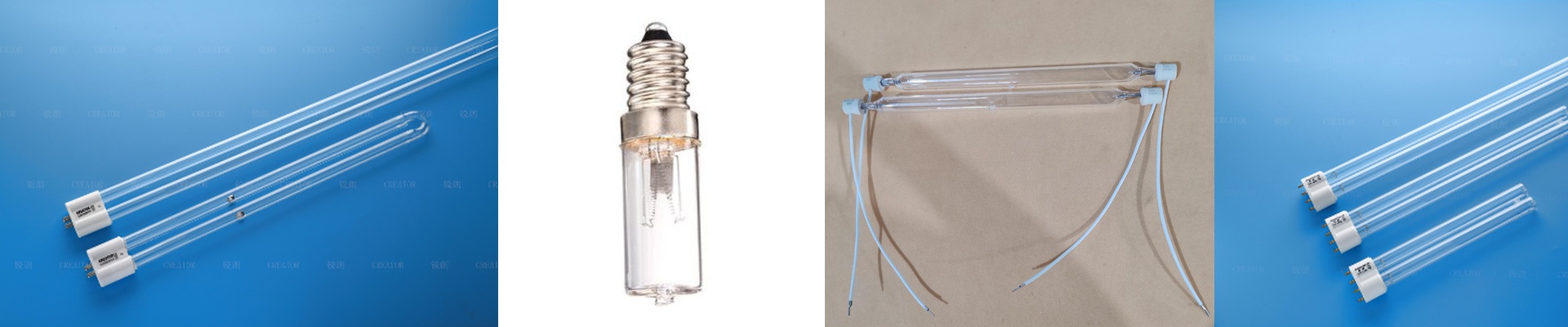

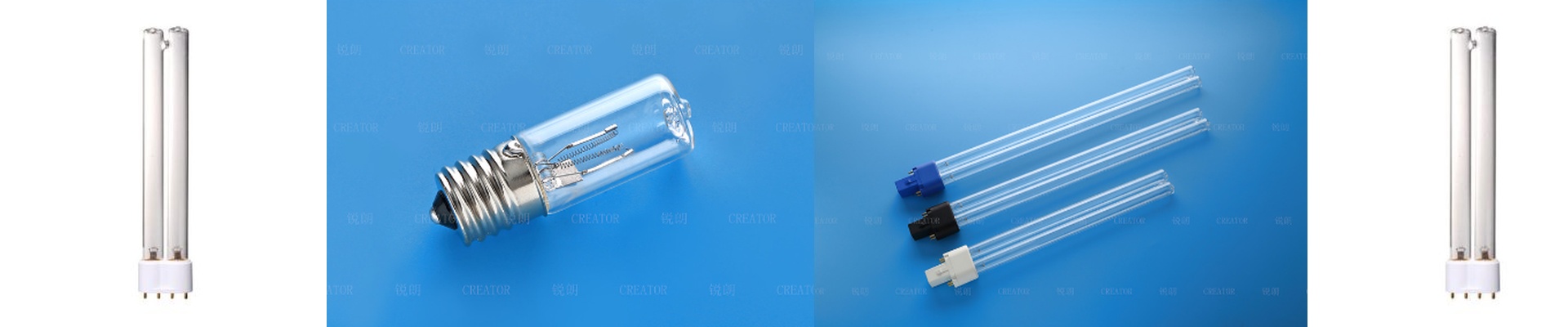


On a wood coating line, the per-part cost comes down to three things: uptime, rework, and what you burn through. Short lamp life and the steady drop in output force unplanned stops and cure that drifts all over the place — and that’s how per-part cost climbs. We built these UV curing lamps specifically for wood coatings to hold output steady over time, so you can run longer cycles without swapping lamps mid-run. The whole point is stability. These medium-pressure mercury vapor lamps keep spectral output stable, centered at 365 nm, with extra energy at 313 nm and 405 nm to hit the photoinitiator absorption you see in clear coats and pigmented systems. Peak irradiance tops 8 W/cm², giving you curing energy density of 500–1200 mJ/cm² at typical belt speeds. The dichroic-coated reflector keeps spectral control tight and keeps the substrate from cooking, and ozone-free operation makes exhaust routing a lot simpler. Here is why it holds up on the floor: long life with low decay means fewer lamp changes and fewer interruptions. These units routinely hit 5,000+ hours with less than 5% output drop, so cure energy stays consistent from the first panel to the last. That means fewer rejects from under-cure, fewer line stops for lamp swaps, and lower energy per cured part. The lamp drops right into standard UV curing systems in flatbed and conveyor setups. Installation note: keep the system within the specified voltage tolerance and maintain enough airflow to hold arc tube temperature steady — that’s what preserves spectral performance and lamp life. Check reflector alignment and substrate reflectance, too; wood resin fill and coating thickness variation can shift the dose you need. Match the lamp to your existing power supply and connector interface, or plan a quick retrofit so the arc length and irradiance profile line up with the coated zone.