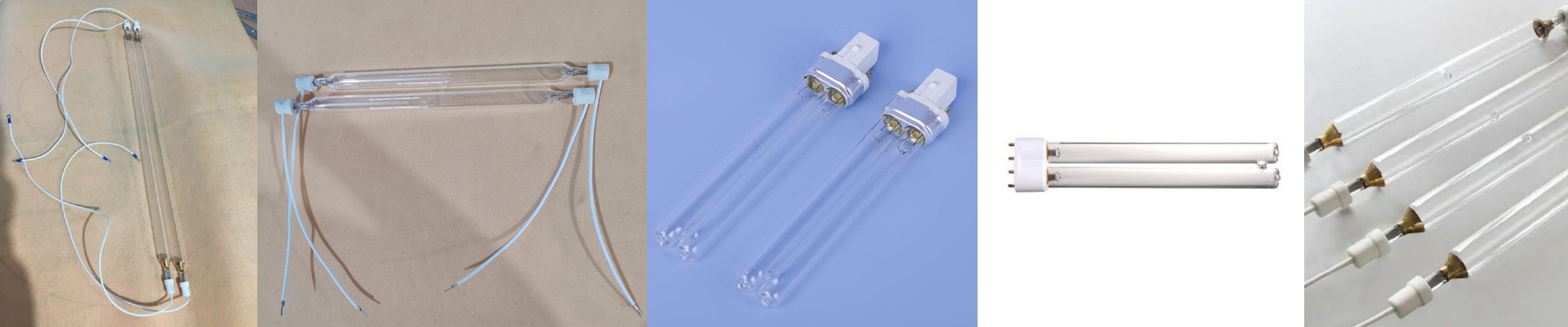
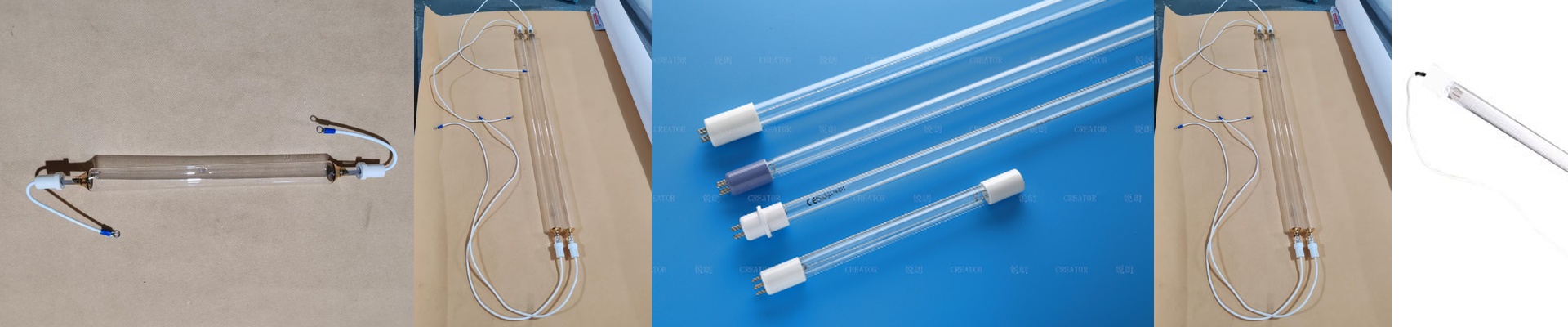
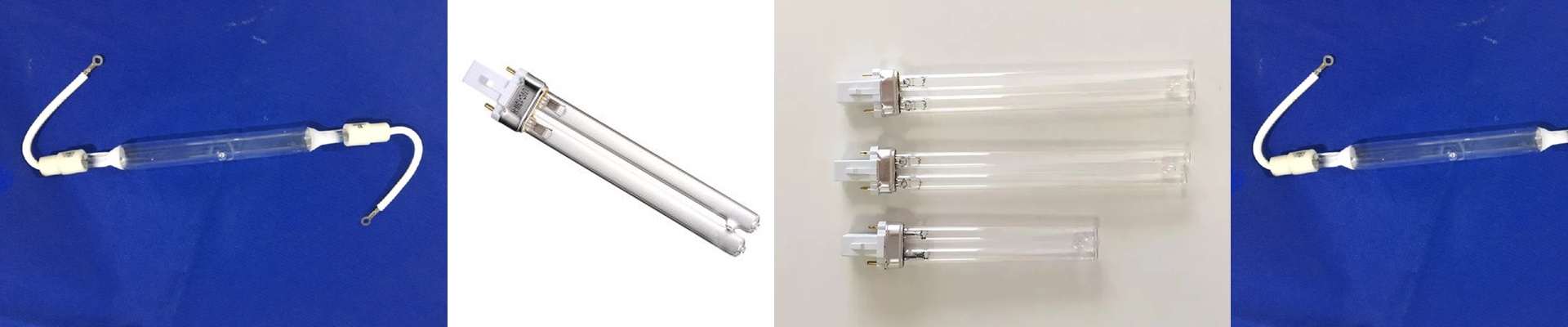

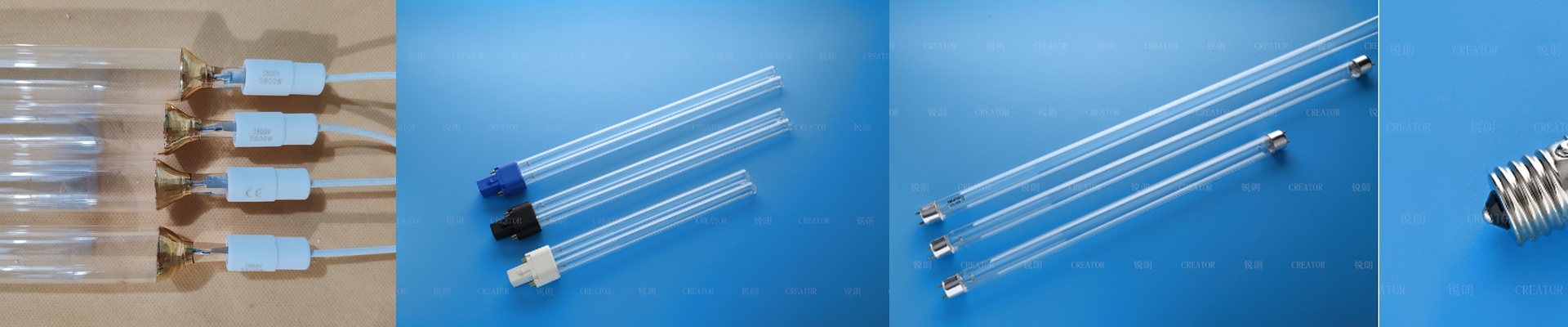

On the floor, uptime and energy are the two numbers you can’t afford to lose. When the UV line pauses for lamp checks or the output starts drifting, you’re not just downtime—you’re down margin and control. The real question is no longer how much UV energy you throw at the job, but whether you can measure it precisely and manage it from anywhere. What matters under the hood The 365nm mercury vapor lamp runs on a stable arc discharge, paired with a dichroic-coated reflector that shapes the spectral output and puts peak irradiance right where it needs to be—on the substrate. That dominant 365nm line hits the photoinitiators in offset, flexo, and screen inks, so cross-linking stays consistent. We call out peak irradiance at the focal plane and deliver repeatable energy density (mJ/cm²) across the curing window. Remote energy monitoring closes the loop: you see lamp power and arc voltage trends in real time, along with accumulated energy over runtime. This isn’t guesswork. It’s traceable process data you can act on. Why this lands on real presses A smart UV curing system has to deliver stable cure at line speed, predictable lamp life, and energy you can account for. The 365nm output profile shortens the cure distance and tightens the dose window, which cuts overexposure and keeps heat off heat-sensitive substrates. Remote monitoring catches output drift before it shows up as scrap, and it gives you the numbers you need for ISO 50001 energy accounting. Expect fewer lamp swaps, tighter color consistency, and kWh savings you can measure shift by shift. What you need to get right up front Installation comes down to matching the reflector geometry and dichroic coating to your curing module, then confirming fixture compatibility for arc gap and coolant routing. The monitoring interface has to fit your PLC or printer controller protocol. And don’t skip thermal management and ozone-free venting. The payoff is control—measured, repeatable, and visible anywhere on the network.