

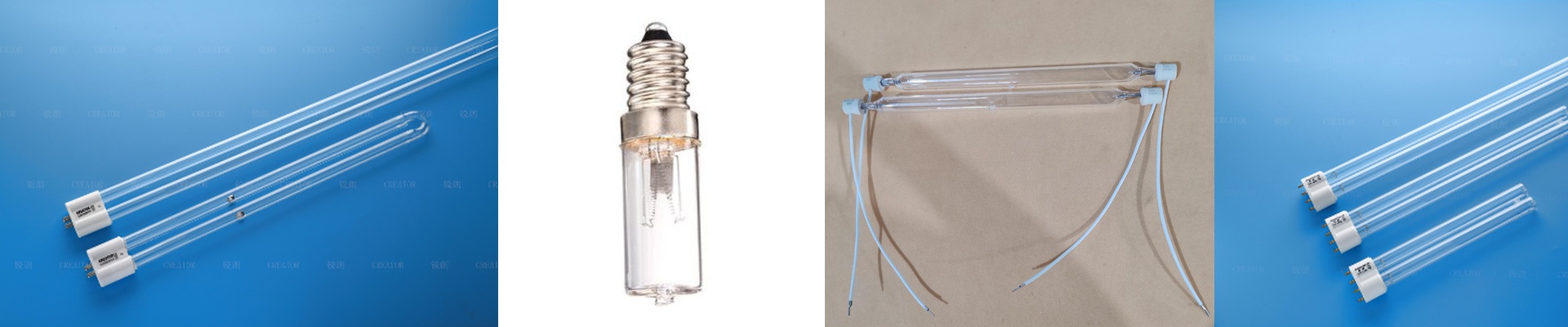

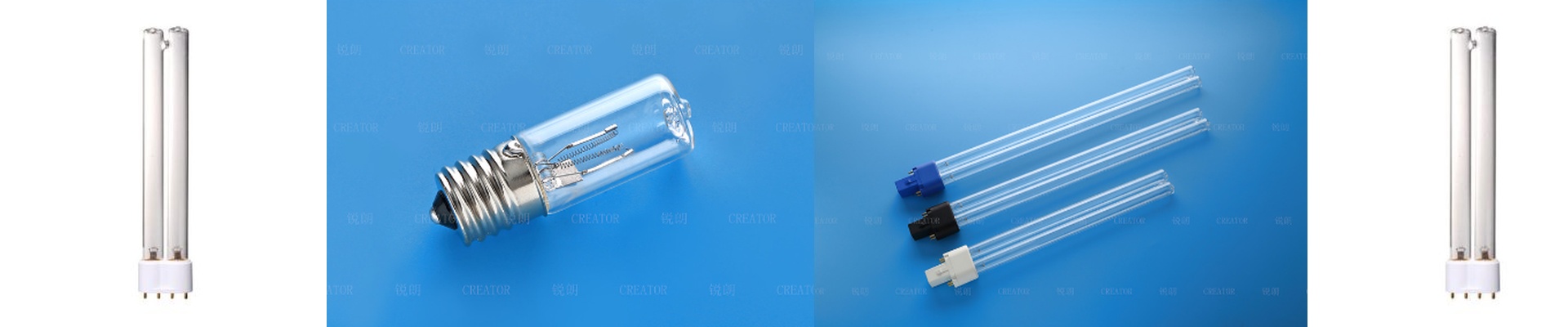

On a glass-print line, throughput often comes down to one thing: how much energy actually lands on the substrate. If the reflector geometry is off, you end up with a broad, low-intensity profile—joules getting thrown away, and the ink surface never fully cross-linked. Gallium iodide lamps shift the equation because you can tune their spectral output to match the photoinitiators in glass-specific UV inks. But that only matters if the optical train is doing its job and squeezing every photon out of the lamp. What you really need in practice is spectral precision and tight control over irradiance. Our gallium iodide lamps hold a stable output centered on the 380–420 nm band, right where modern low-migration, adhesion-promoting formulations absorb. Pair that with a reflector built for high-aspect-angle return, and you concentrate flux into a tight, repeatable spot. Peak irradiance at the substrate goes up, and dwell goes down. On typical glass coatings, you can expect consistent curing in the 600–1200 mJ/cm² range, with lamp output staying within ±3% over 2000 hours. Here is why it works: better light capture means higher energy utilization, so you don’t have to trade off line speed to get a solid cure. The reflector contours are shaped to cut spill and keep hot spots under control. That keeps the system running cooler, lowers input power, and helps maintain cure uniformity across the sheet. The payoff is fewer rejects, faster changeovers, and lamp replacement intervals you can plan around. One thing you can’t treat casually is reflector alignment.A 0.5 mm mis-set can shift the energy profile enough to show up as adhesion issues. Double-check your fixture interface and the lamp arc distance, and make sure the power supply matches the lamp’s ignition and operating requirements. You’ll get ozone-free operation, but still plan for proper ventilation and keep reflector surfaces clean—otherwise spectral efficiency takes a hit.