

Getting Your UV Curing Right for 2026
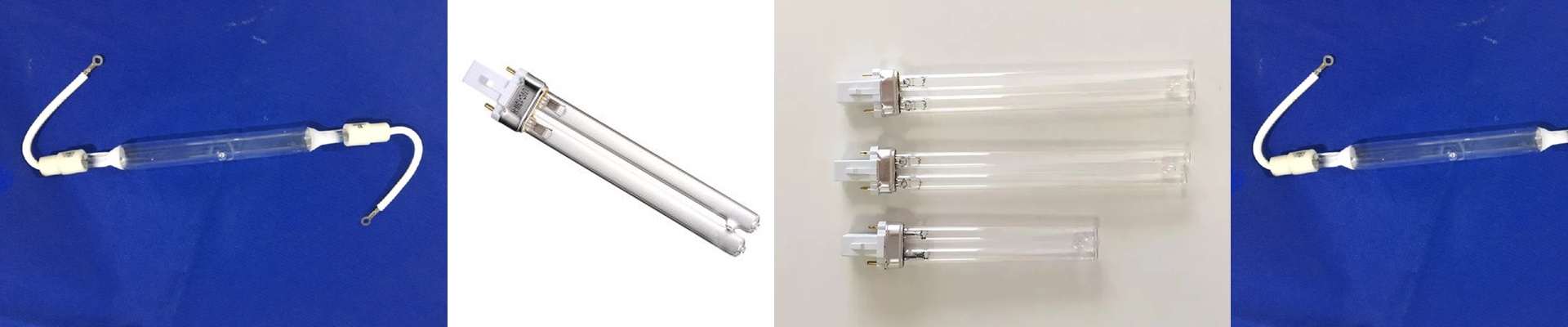
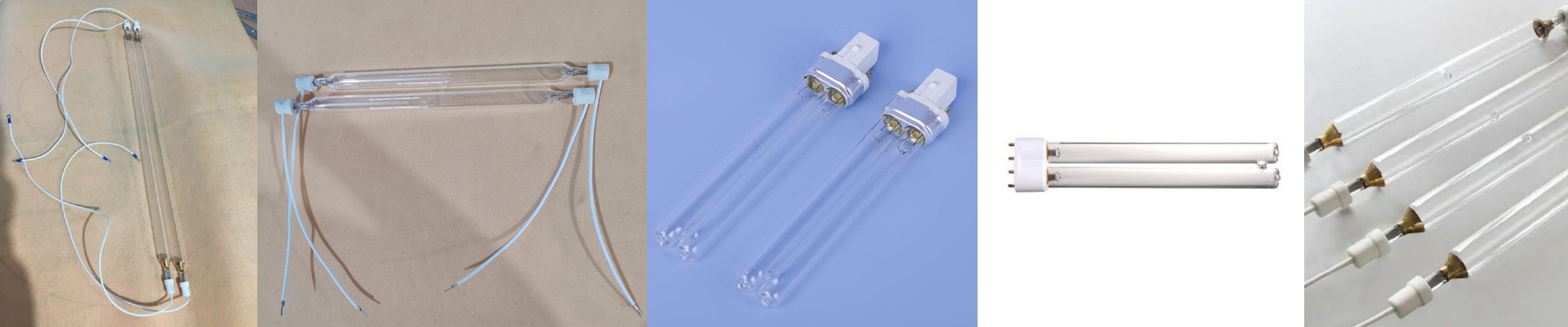
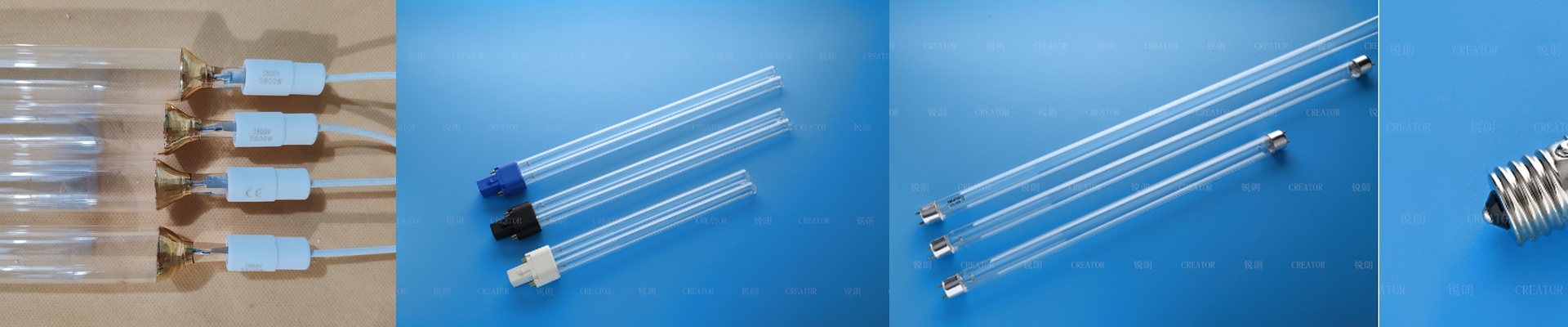
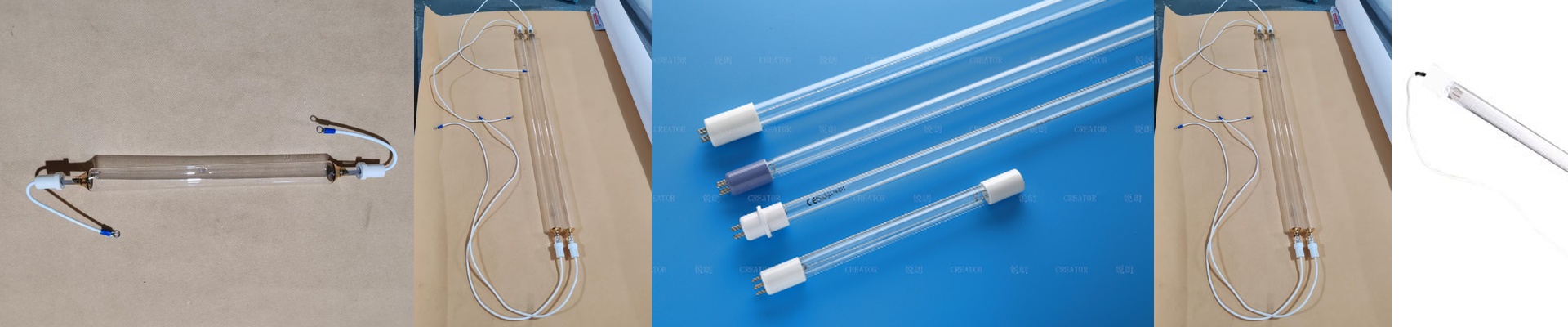
If you’ve been keeping an eye on the latest printing shows, you know the pressure is on. Everything is moving faster. Line speeds are cranking up, and suddenly, those generic “one-size-fits-all” bulbs just aren’t cutting it anymore. That’s why we’ve stopped focusing on off-the-shelf parts and started building custom UV lamp modules. We don’t just ship you a box; we build the module to match your specific ink chemistry and exactly how fast your press is humming along. The Heat Struggle Here’s the thing about high-speed printing: you need a lot of power to cure ink on the fly. We’ve pushed the wattage density in our new modules—using high-pressure mercury vapor or Gallium-doped lamps depending on whether you need to bake the ink deep into the material or just get a quick surface tack. But more power means more heat. A lot of it. If your cooling isn’t up to the task, you’re looking at burnt-out lamps or, even worse, warped substrates. To stop that from happening, we build forced-air cooling or water-jacketed heat sinks right into the module. It keeps things chill so you can keep the speed up. No More Wiring Nightmares We’ve all been there—spending hours on a factory floor wrestling with individual lamps and ballasts. It’s a headache. So, we switched to a plug-and-play setup. We send you pre-assembled units that just click into place. It means fewer mistakes during install and, more importantly, the distance between the lamp and the print head stays exactly where it needs to be. Plus, we use reinforced connectors. They can take a beating in a vibrating factory without shaking loose. The Honest Trade-off Let’s be real: you can’t have everything. When you run these lamps at peak wattage to blast through thick inks, you’re trading away some of the electrode’s life. You get the speed, but you’ll be swapping out tubes more often. To make that easier to swallow, we use precise electronic ballasts to keep the arc stable. This kills the flicker that causes those annoying “zebra stripes” in your finish. You tell us how much output you need, and we’ll give you the hardware to keep it steady.