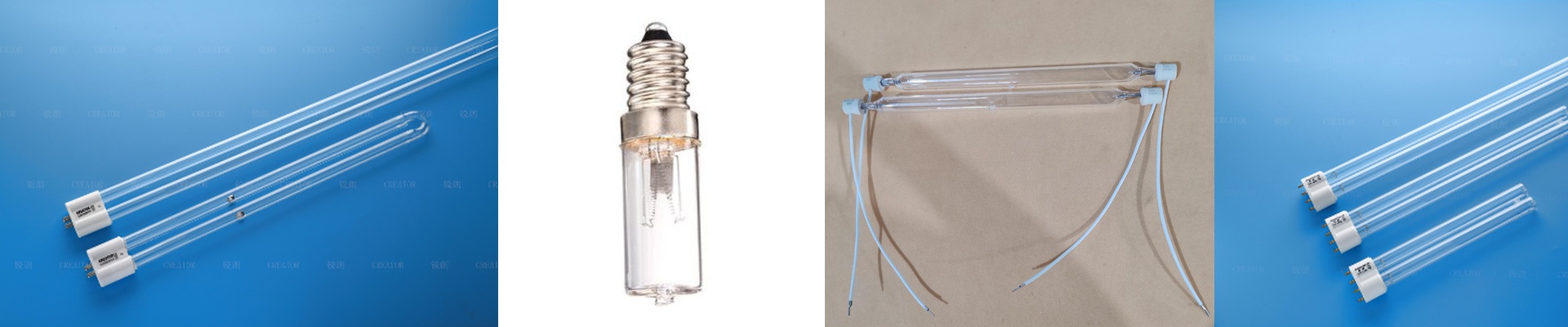

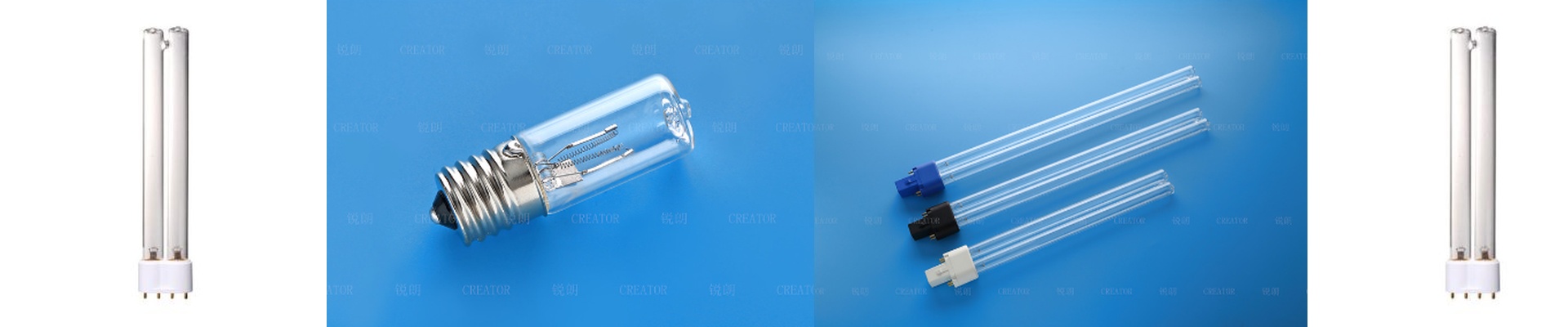


How we actually built a better UV lamp
For 15 years, we were just the people making other companies’ products. We knew the industry inside out, but we wanted more. We wanted to build a UV germicidal line that could go toe-to-toe with the big international brands in terms of power and lifespan, but without the massive electricity bill.
The secret to saving power
Here is the thing about most UV lamps: they waste a ton of energy as heat. It’s inefficient. To fix this, we spent a lot of time messing with the gas mixtures and the electrodes. We played around with the mercury vapor pressure and switched to high-purity quartz tubing to get more UVC photons out of every single watt. The result? You get the same germ-killing punch, but you’re pulling less power. Your electricity costs go down, and your ballast stays cool to the touch. It just makes sense.
Why these things actually last
If you’ve ever used cheap lamps, you know they dim out way before the filament actually snaps. That’s usually because of “sputtering”—basically, metal deposits gunking up the inside of the tube. We stopped that by coating the electrodes. We also use synthetic fused quartz for the outer shell. It handles heat expansion way better than the cheap stuff and lets the UV-C light (at 253.7nm) pass through without any struggle. It means the light stays strong and steady for thousands of hours.
A quick reality check
These are designed to be drop-in replacements. They fit right into the industrial arrays you probably already have. No need to rebuild your whole setup. But, there is one catch. Because these lamps are tuned for high efficiency, they’re a bit more sensitive to voltage spikes. If your power grid is shaky, you absolutely need a regulated electronic ballast. If you don’t, you’ll likely see the lamps burn out early or the output start to flicker. Just double-check your voltage tolerances before you wire them in. It’ll save you a lot of headaches down the road.