



Making UV Sterilization Actually Efficient (Without the Waste)
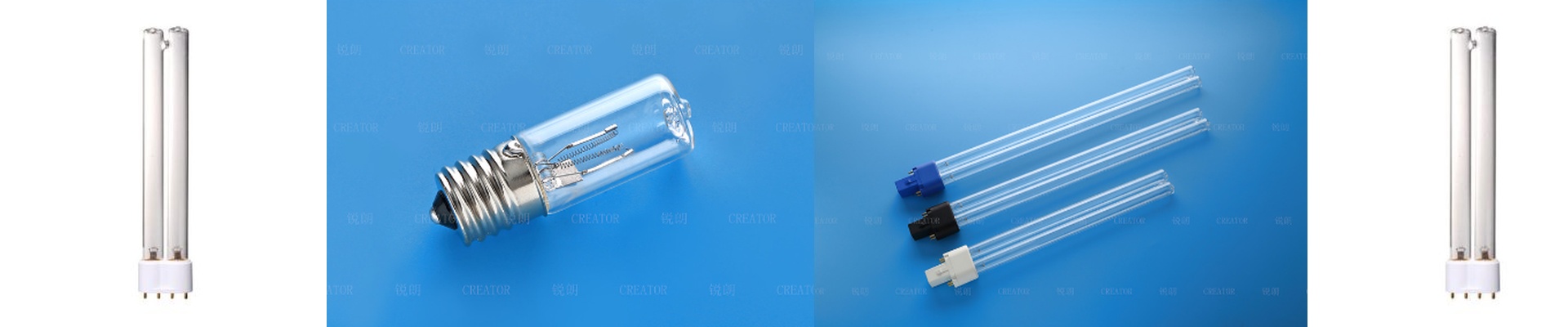
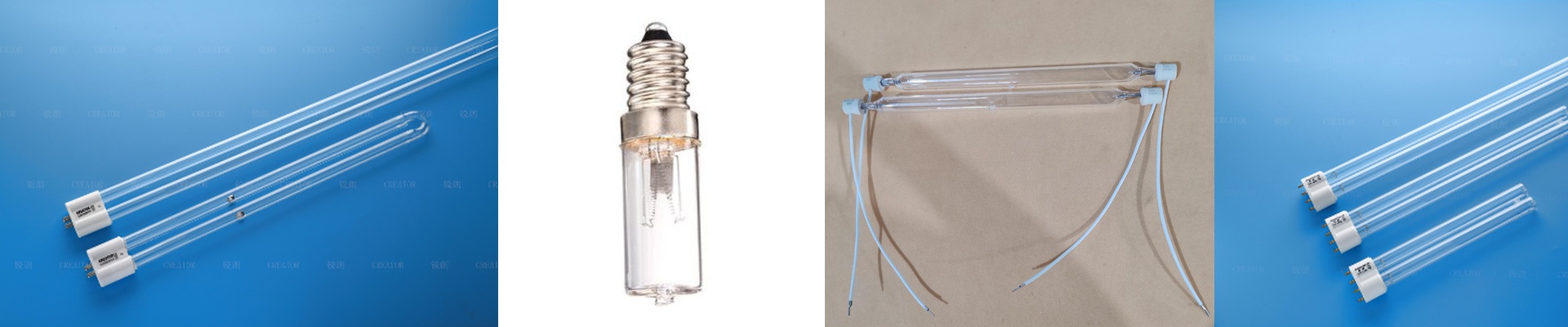
We spent 15 years grinding. We started in the OEM trenches and worked our way up to building UV lamps that can go toe-to-toe with the biggest names in the world. But here’s the thing: we didn’t want to just build another purple light. We wanted to figure out how to get more UVC punch out of every single watt. Why? Because when you’re running industrial lines, every cent spent on electricity adds up fast. The nitty-gritty of the light Most of these lamps hit the 253.7nm mark. Simple enough. But the magic is in the details—like the gas mix and the purity of the quartz. If you use cheap quartz, it’s like trying to look through a dirty window; the UVC rays get blocked before they even leave the tube. That’s why we use high-transmittance fused quartz. It lets the photons fly. We also tweaked the filaments. They trigger faster and stay cooler, which means your electrodes don’t just burn out and leave you hanging in the middle of a shift. Real-world build vs. Theory We don’t do “budget” glass. These tubes are built to take a beating in a loud, messy industrial setting. But there is a catch. High-intensity UVC creates heat. If you jam these lamps into a tight box with no airflow, the temperature spikes and your UV output actually drops. It’s frustrating. To keep those energy savings, you’ve got to make sure your cooling fans are up to the task. Keep it cool, and the lamps do the heavy lifting. Putting them to work We designed these to be drop-in replacements. No need to rip out your entire system or spend hours rewiring. The pins match up, you plug them in, and you’re good to go. Whether you’re cleaning water or air, it all comes down to the dosage. By boosting the microwatts per square centimeter ($\mu\text{W}/\text{cm}^2$), you get some breathing room. You can either speed up your conveyor belt to get more product through the door, or just use fewer lamps to keep your power bill lean. It just works.