


Building UV Curing Systems That Actually Work
For 15 years, we played the white-label game, selling other people’s gear. But eventually, we got tired of it. We wanted to build our own modular UV curing systems—something that could go toe-to-toe with the big international brands in terms of power and lifespan, but without the nightmare lead times.
Why we went modular
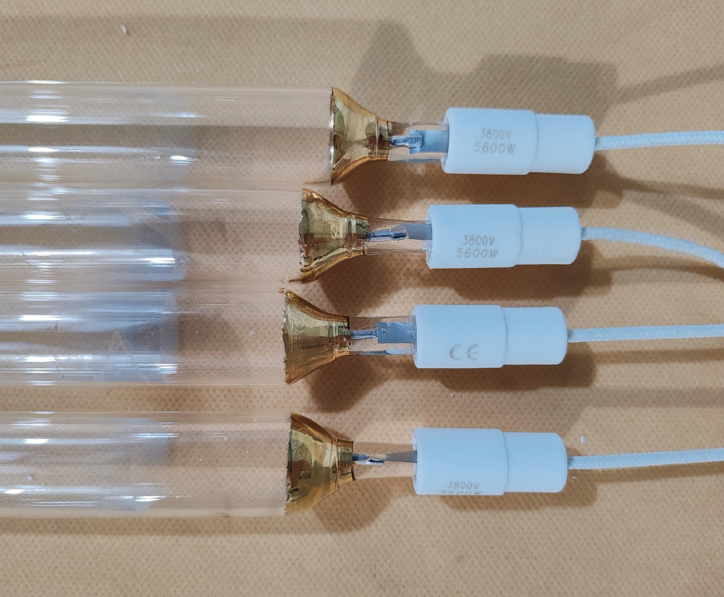
Here’s the thing about most systems: they’re too rigid. If you speed up your line, you’re stuck. We decided to use interchangeable UV modules instead of one giant, inflexible lamp. It just makes more sense. If a tube burns out, you don’t have to kill the whole line and panic. You just swap one unit and keep moving. We built these for high energy density, so even the thickest coatings or adhesives cure completely. No half-baked results.
Dealing with the heat
High-wattage lamps get hot. Really hot. To stop that heat from ruining your work, we use specific quartz glass and reflectors that push the UV energy forward and vent the heat away from your materials. But a word of advice: check your conveyor cooling. If your cooling isn’t up to the task, the heat will mess with the photoinitiators in your ink. You’ll end up with a tacky, sticky finish that’s a pain to fix.
Making it fit your shop
We didn’t want you to have to rebuild your entire factory just to use our gear. So, we made the mounting brackets and connectors standard. They should slide right into most industrial frames without a fight. We also spent a lot of time on the power supply. Voltage spikes are what usually kill UV lamps. By using stabilized ballasts, we keep the output steady and the lamps living longer. At the end of the day, this isn’t some delicate laboratory instrument. It’s a piece of shop-floor equipment. It’s built to take a beating in a 24/7 factory and keep hitting its irradiance targets until it’s time for scheduled maintenance. Simple as that.