

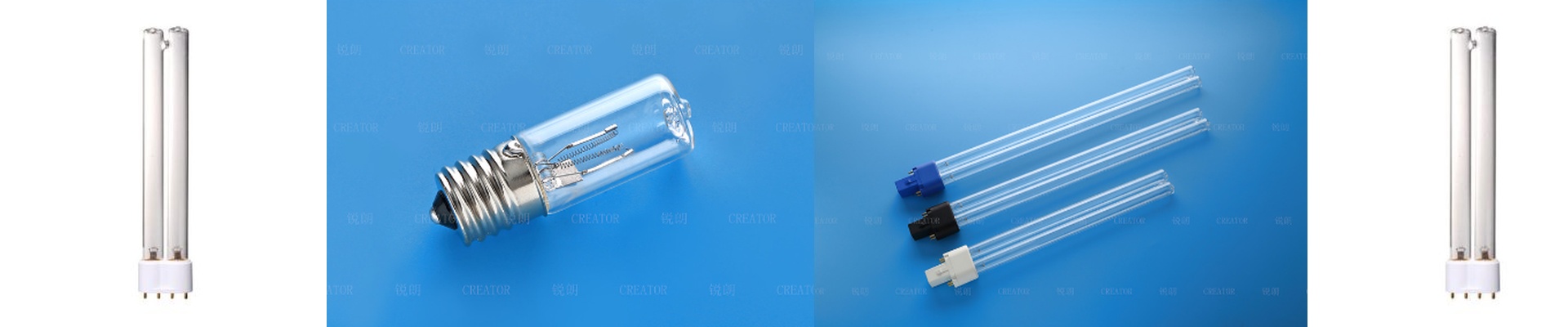
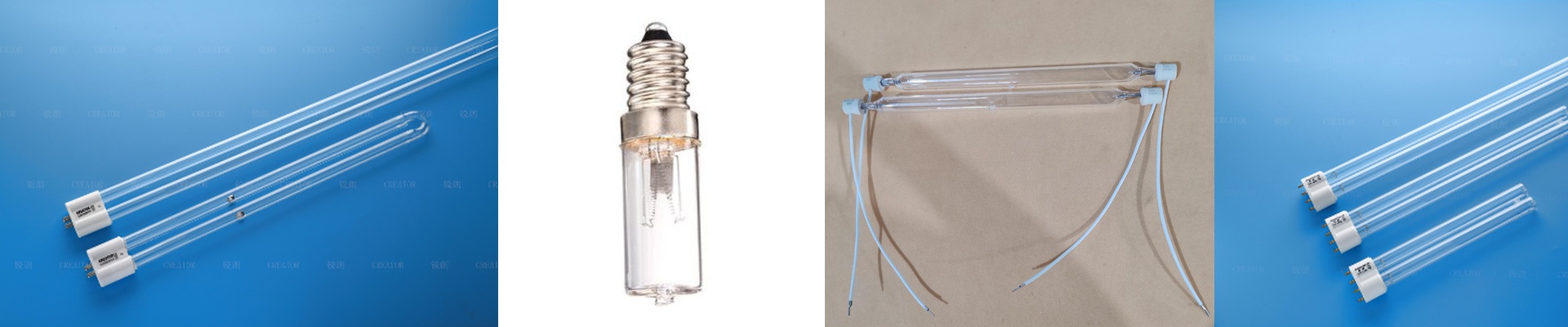


On the shop floor, a thin oil film on the lamp face can quietly sink your non-destructive testing. UV intensity dips, the photoinitiator response gets spotty, and cross-linking falls apart. The failure isn’t always visible. You feel it in rework, scrap, and downtime.
Technical Parameters: Power, Spectrum, and Curing Efficiency
We build the lamp around repeatable energy delivery. A stable mercury vapor discharge gives you a predictable spectral profile, with strong output around 365 nm—exactly what many NDT inks and coatings are tuned for. Peak irradiance is set to hit the required dose at the work surface, measured in mJ/cm², not at the lamp body. Power density and arc length are matched to the dwell window, so intensity stays sufficient even as the reflector ages. The reflector uses a dichroic coating to shape the spectral energy, pushing useful UV forward while cutting IR heat that can degrade optics and substrates.
Why It Fits Daily Maintenance and Efficiency
Surface grease and oily smoke scatter and absorb UV, which effectively lowers delivered dose. Regular cleaning brings intensity back to spec and keeps the curing window consistent shift after shift. Cleaning also slows the decline of the lamp and reflector. In typical industrial schedules, that can extend service life by up to 30%. Fewer lamp swaps, fewer inspection stops, and lower spare parts cost. Energy use stays closer to baseline because the system isn’t forced to compensate for fouling by running hotter or longer.
Practical Notes on Installation and Compatibility
Match the lamp to the fixture—voltage, ignition method, and end-of-life sensing have to line up. Ozone-free operation comes from a quartz envelope engineered to limit the 185 nm line, but that envelope still needs clean handling. Fingerprints and solvents leave residues that bake on and change output. Verify cure distance with a spectral radiometer. Moving the lamp 10 mm can shift intensity enough to move the pass/fail line in sensitive NDT processes.