



Introduction
When you’re printing flexographic labels, there’s no room for fuzzy images. It’s just not an option. So we built this UV lamp to be a rock. Its whole reason for being is to stop patterns from blurring and colors from bleeding on plastic, especially when you’re running those tough aging tests. We wanted one thing, plain and simple: a UV lamp that gives you the exact same, controlled exposure, every single time. Even when the job runs for hours on end, it holds its line.
What’s Under the Hood: Power, Voltage, and Size
This isn’t a delicate piece of equipment meant for a lab bench. It was born for the factory floor. It pumps out a steady stream of UV light, pushing plastic parts through aging tests without turning the whole setup into a hot box. The way we matched the voltage and power to the lamp’s length is key. It’s all about getting the energy density just right, down to the millimeter. That careful balance is what gives you a perfectly even UV field across the whole irradiation zone. The payoff? No more hot spots. No more weak spots. Your test results stay consistent because the exposure is, too.
The Build: Why the Details Matter
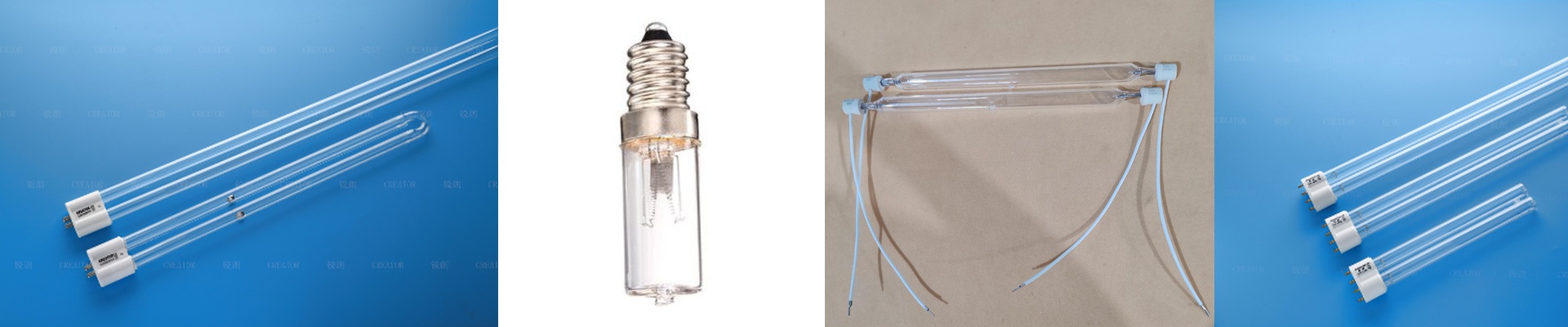
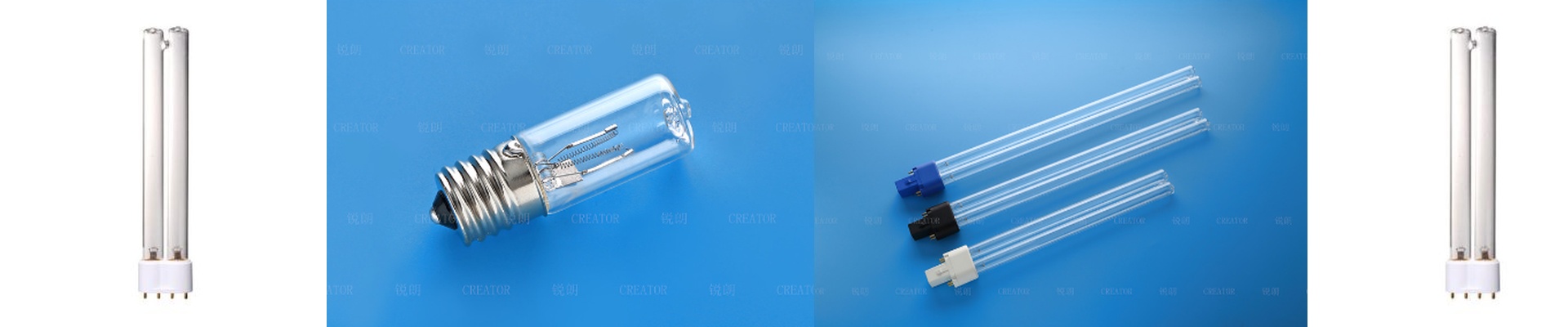
We wrapped the lamp in a quartz envelope with a special coating. Why? Because quartz can take the heat—and the rapid cooling—without cracking under pressure. The coating keeps the UV spectrum stable and shields the inner workings. And we went with an R7s-type connector. It’s a practical choice that gives you a rock-solid connection and lines up perfectly every time. In a busy printing or aging fixture, that means fewer headaches and less downtime when you need to swap a lamp. It’s designed to drop right in where your old one was, so you can upgrade without tearing your setup apart.
How It Works for Flexo Label Printing
In flexo, those plastic labels have to look sharp, even after aging. No smudging. No halos. This lamp gives you the stable, high-intensity UV you need to speed up aging, all while protecting the print quality. The result is color that stays true and crisp edges, even after you run the cycle again and again. Now, here’s the thing about that high power density: it needs proper cooling. Make sure you plan for airflow and thermal management from the start. That way, the lamp stays in its safe zone and keeps delivering that rock-solid output.