


Getting Your PCB Curing Right with Gallium Iodide (GaI)
If you’ve spent any time on a PCB factory floor, you know that tight tolerances are a nightmare. That’s why we built our Gallium Iodide (GaI) UV modules. Standard mercury lamps are okay, but they’re a bit like a shotgun—they blast light everywhere. GaI is more like a laser. It hits that 250nm to 300nm sweet spot. This means your photoresist cures deeper and faster, and you don’t have to worry about cooking your substrate.
Why GaI actually works
Here’s the thing about mercury lamps: they waste a ton of energy as heat. It’s inefficient. We switched to Gallium Iodide to fix that. By shifting the light to match exactly what the photoinitiators in your dry films want, we’ve packed more “punch” into the specific wavelength that handles the cross-linking. The result? Your circuit edges look sharp. No blurring, no guesswork.
Dropping them into your line
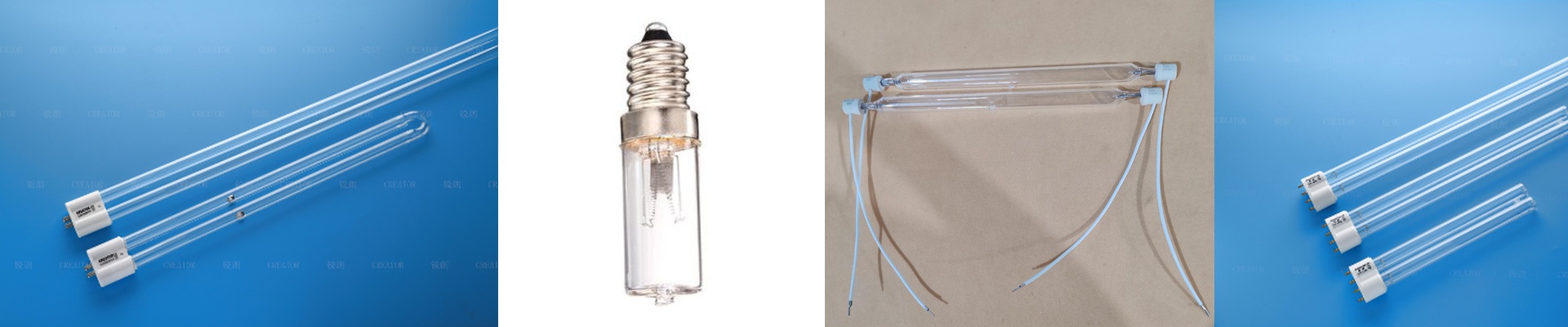
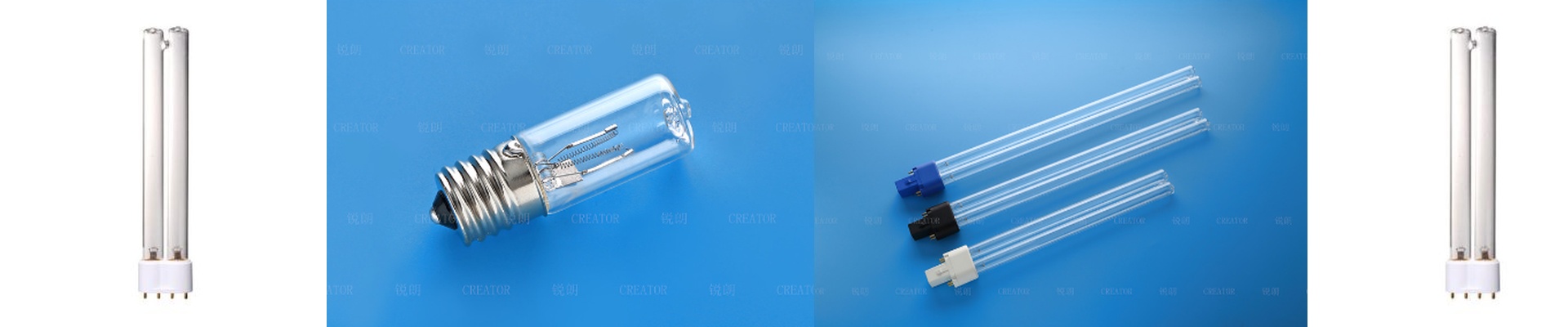
We made these modules as drop-in replacements. No need to rebuild your entire line. We used high-purity quartz for the envelopes so the UV light doesn’t get trapped or dimmed. You’ll notice the power density is way higher than what you’re used to. But a heads-up: these lamps run hot to stay stable. You’ve got to make sure your cooling fans can actually keep up. If the airflow is lazy, the lamp temperature climbs and your UV output dips. Keep them cool, and they’ll keep performing.
Real-world shop floor talk
Consistency is the only thing that matters when you’re running a high-volume line. We’ve tuned these to stop “dark cure” and keep those thin traces from getting over-exposed. Wiring them up is a breeze, but do yourself a favor: use a stabilized power supply. You don’t want flicker, and you definitely don’t want voltage spikes frying your electrodes. We’ve seen these run for thousands of hours in heavy-duty environments without breaking a sweat. They just work.