


Getting Your Brand Right with Gallium Iodide UV Lamps
If you’re working with UV, you probably already know that standard mercury lamps don’t always cut it. That’s where Gallium Iodide (GaI) comes in. These tubes hit that sweet spot between 250nm and 350nm, which is exactly what you need for the tough curing and sterilization jobs that other lamps just can’t handle.
Tuning the Light and the Power
We don’t believe in “one size fits all” here. We build these lamps to your exact voltage and wattage needs. If you’re running a high-speed industrial line, you need a tube that can take a lot of current without the electrodes burning out halfway through a shift. That’s a headache nobody wants. Here is the cool part: we can actually tweak the gallium-iodine mix to shift the peak wavelength. If your photo-initiator or the material you’re working on needs a specific “hit” of light, just tell us. We’ll make it happen. But a word of caution on power. It’s a balancing act. If you cram too much wattage into a short tube, you get an intense burst of UV, but you’re putting a lot of stress on the quartz. Plus, make sure your ballast matches the lamp’s voltage. If they’re fighting each other, you’ll get flickering—or worse, a dead lamp way before its time.
The Hardware: Quartz and Fitting In
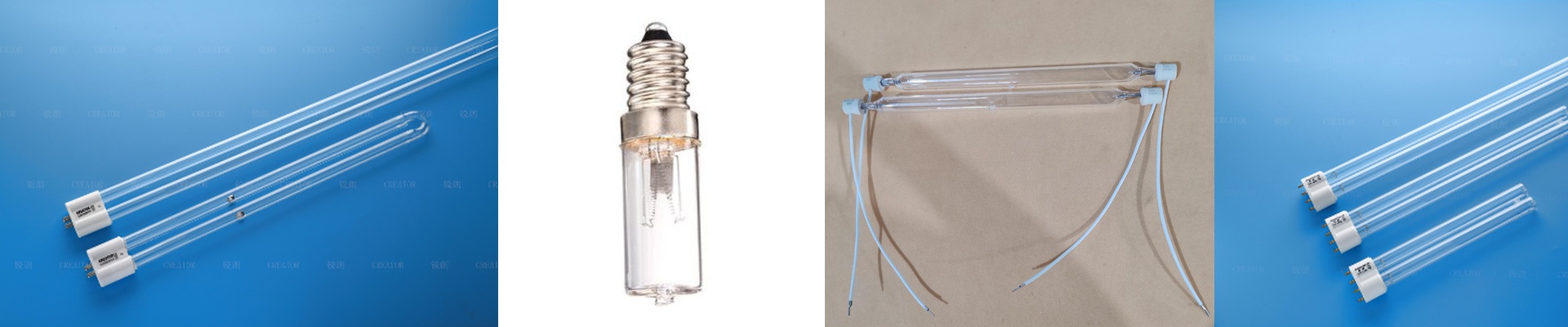
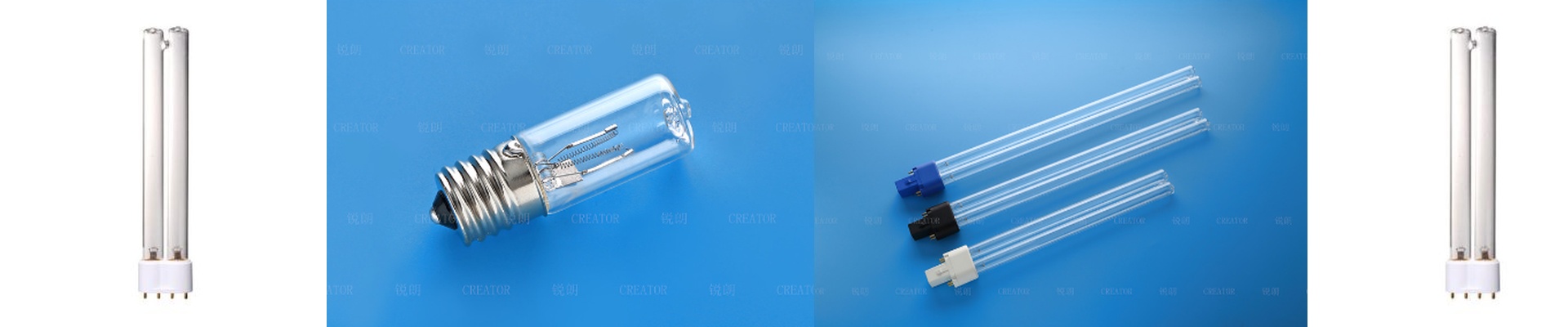
We only use high-purity fused quartz. Why? Because cheap glass is a wall. It blocks the very wavelengths you’re paying for, which basically makes the lamp useless. For the folks building their own equipment, we make the integration part easy. We can do custom end-caps, specific pinch-seals, or lead-wires cut to your exact length. The goal is for our lamp to slide right into your existing fixture without you having to rebuild your entire machine. It just works.
The Real-World Stuff
These lamps are workhorses for things like semiconductor lithography and high-end curing, but they have one quirk:**they get hot.**Really hot. If your cooling system isn’t up to the task, that quartz is going to stress and crack. It’s a waste of money and time. We’ll give you all the raw thermal data upfront so you can design a housing that actually breathes and keeps the tube safe.