

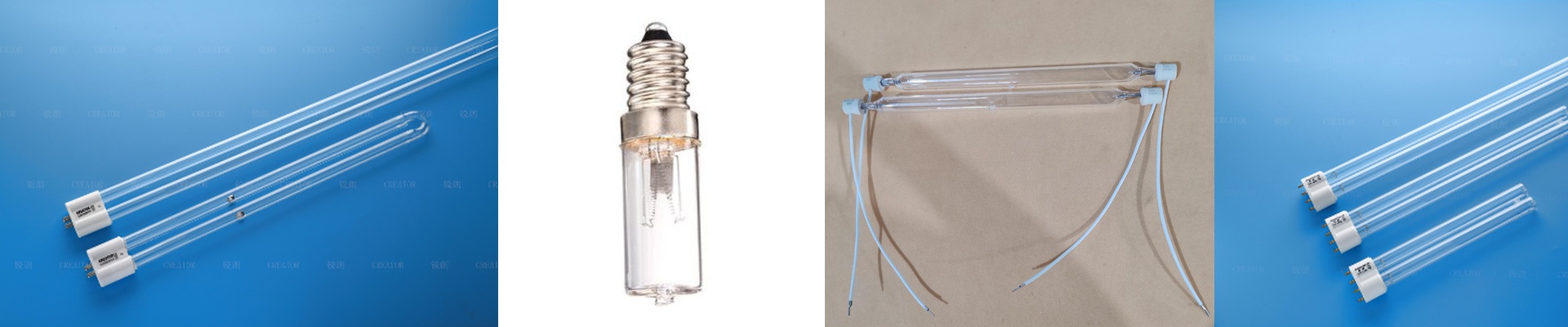

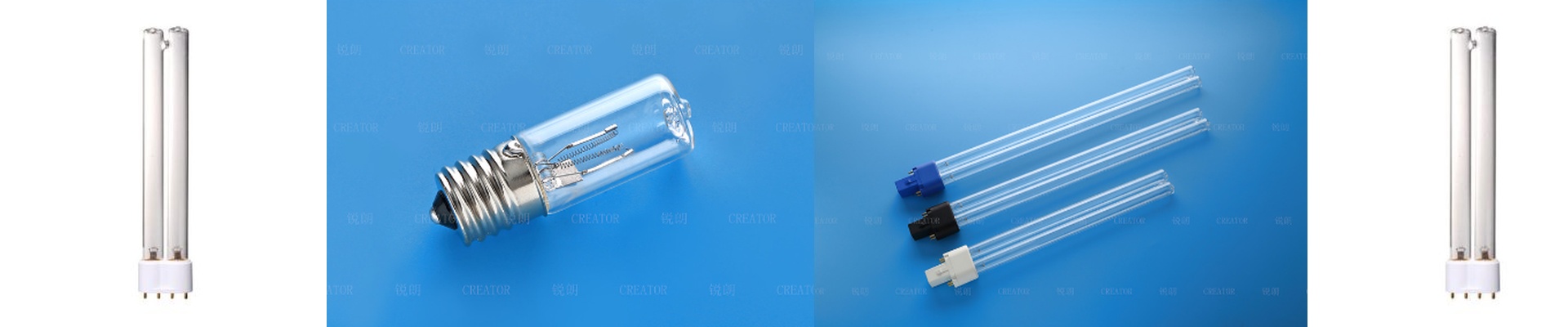
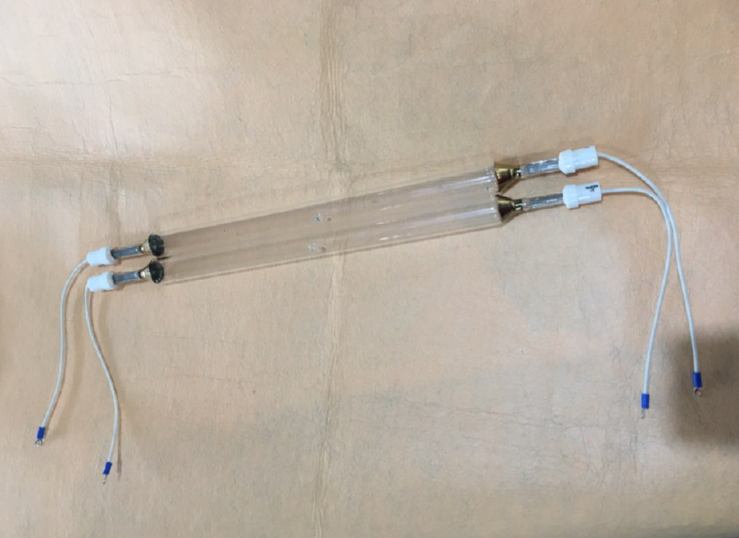
On a hardwood flooring line, there’s no room for a topcoat that isn’t fully cured. Under-cured film means scratches in the field, gloss that looks wrong, and material down the drain. A 5kW high-pressure mercury UV lamp is built to take that risk off the table by giving you the photon density needed for full polymerization—at line speed. What actually matters under the hood The 5kW rating gives you high peak irradiance, which is what kicks the photoinitiators in UV lacquers and wear layers into gear fast. The mercury vapor discharge lays down a broad UVA output, with strong emission lines at 365nm and 313nm, plus solid energy around 385nm. That spectral profile drives both surface cure and through-cure at the same time—even when you’re running filled coatings. The quartz envelope holds up under high temperatures, and the reflector’s dichroic coating focuses usable UV onto the substrate while pushing IR out of the way. In real terms, that translates to more energy density (mJ/cm²) per pass, a cure profile that stays consistent across the full width, and output that holds steady over thousands of hours. Why it fits the flooring line Flooring lines need a cure window that keeps up with high throughput—without scorching the wood. The 5kW mercury lamp brings the intensity to set the topcoat instantly, leaving you with a hard, high-gloss film that stands up to abrasion. The broad UVA output gets through both pigmented and clear coatings, so cross-linking is complete. The surface holds up to handling and installation without marring. You get repeatable gloss control, fewer rejects, and less solvent carryover because the cure happens immediately and cleanly. What you need to keep straight A 5kW mercury lamp runs hot. Match it with the right ballast, keep the forced-air cooling in shape, and keep the reflectors clean—otherwise you bleed spectral efficiency. Output will drift over time; run radiometer checks and plan lamp replacement around 1,500–2,000 hours so energy density stays on spec. Double-check fixture compatibility and arc length, and confirm ozone handling if the unit is in a confined space. Treat ignition cycles like controlled events—limit starts and keep mains voltage stable to protect the electrodes and keep output consistent.