
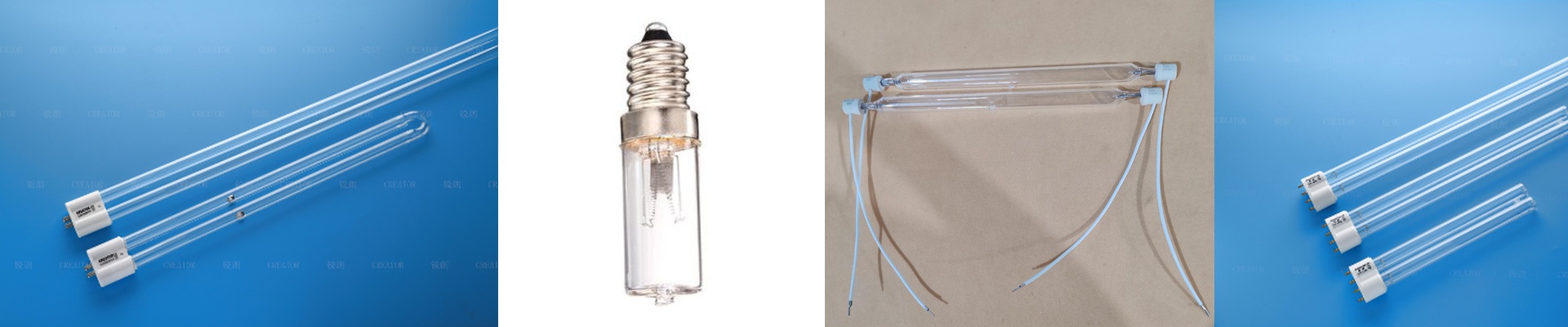


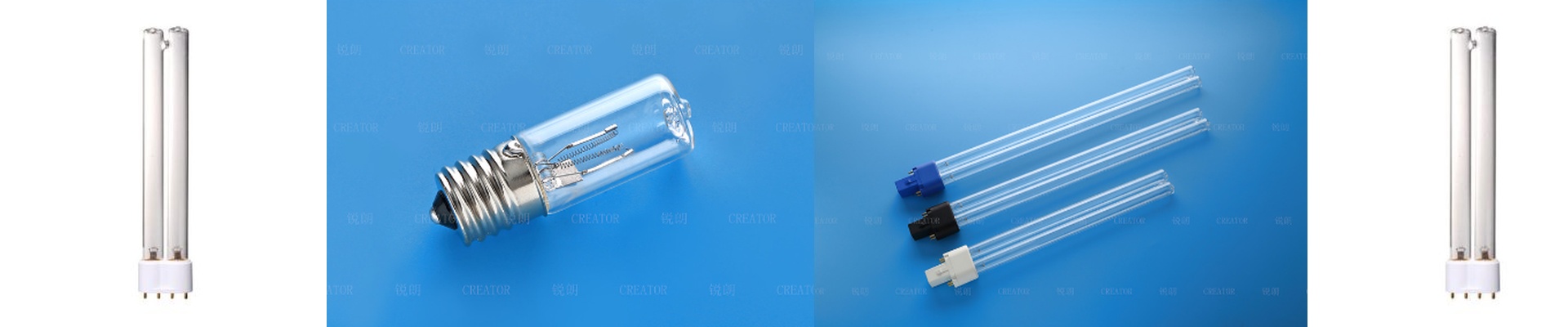
On the press floor, a varnish cure failure doesn’t show up with a warning light. You see it in the finish—still a little tacky—in stacks that block, and in scrap that quietly eats your margin. When you’re running 10,000+ impressions per shift, the lamp isn’t just another part. It’s the bottleneck.
What actually matters under the hood
With mercury UV lamps for varnish, it comes down to spectral output and energy delivery you can count on, shift after shift. We keep the emission profile steady across the 365–405 nm band, where most varnish photoinitiators do their work. That’s how you get fast cross-linking without cooking the substrate. Peak irradiance is tuned to fit typical offset and screen curing gaps, so the dose at the surface stays consistent across the full arc length. Reflectors use dichroic coatings to bounce usable UV back onto the web and cut down wasted IR. And when we talk output, we mean mJ/cm²—measured on a calibrated radiometer—not vague “lamp power” claims.
Why this fits the way you run jobs
With our OEM program, the lamp is spec’d to your machine envelope and your varnish chemistry. You pick the arc length, end fittings, and electrical interface so it drops straight into your existing UV curing stations, then add your branding and private label. In production, that translates to fewer changeovers, a solid cure at higher press speeds, and less downtime when you’re swapping lamps. We manage energy draw against real duty cycles, and the lamp’s output stability keeps variability from one job to the next under control.
The details that keep you out of trouble
Mercury UV lamps run hot—cooling isn’t optional. Airflow and clean reflectors directly affect spectral efficiency and lamp life. Make sure your power supply matches the lamp’s ignition and operating requirements, and confirm your curing station’s window transmission and cooling are compatible with the ozone-free or ozone-generating variant you choose. Expect output to decay over time. Keep process control tight by scheduling radiometer checks every 2,000 hours.