


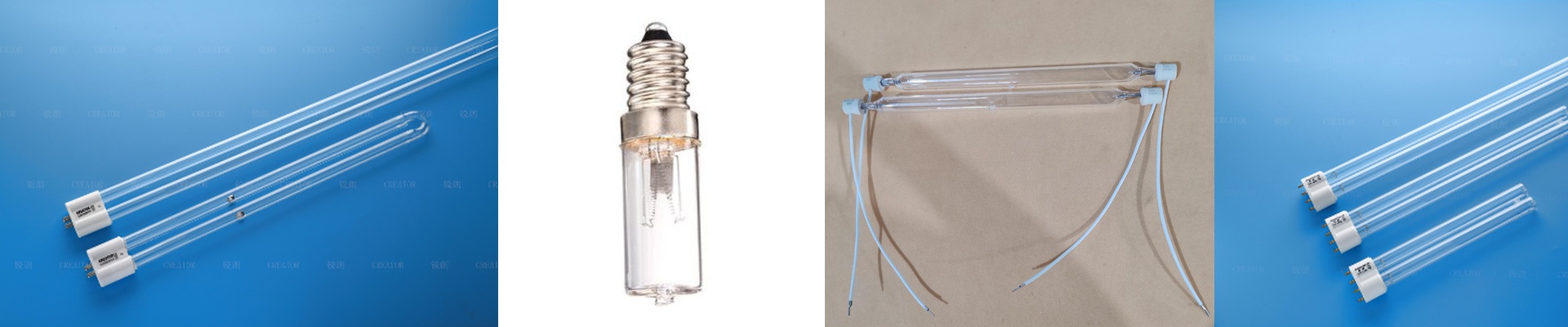
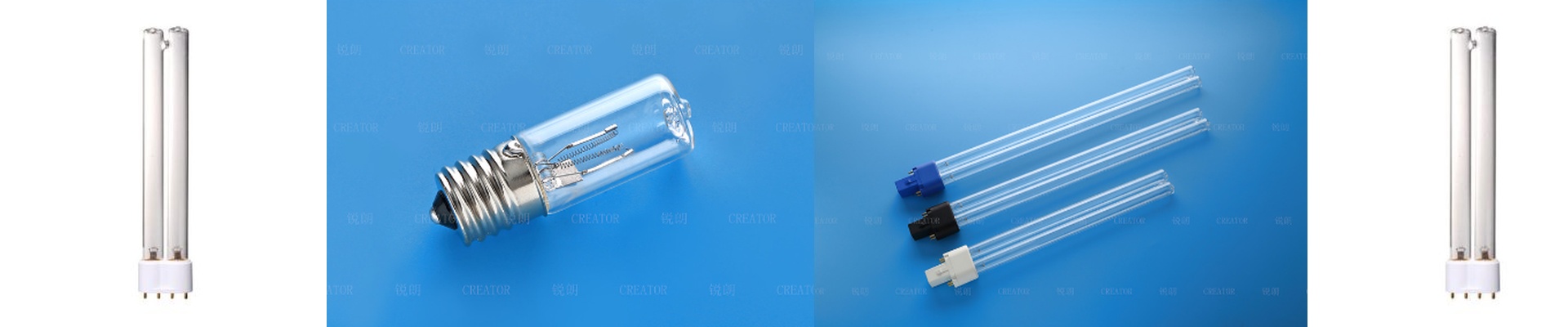
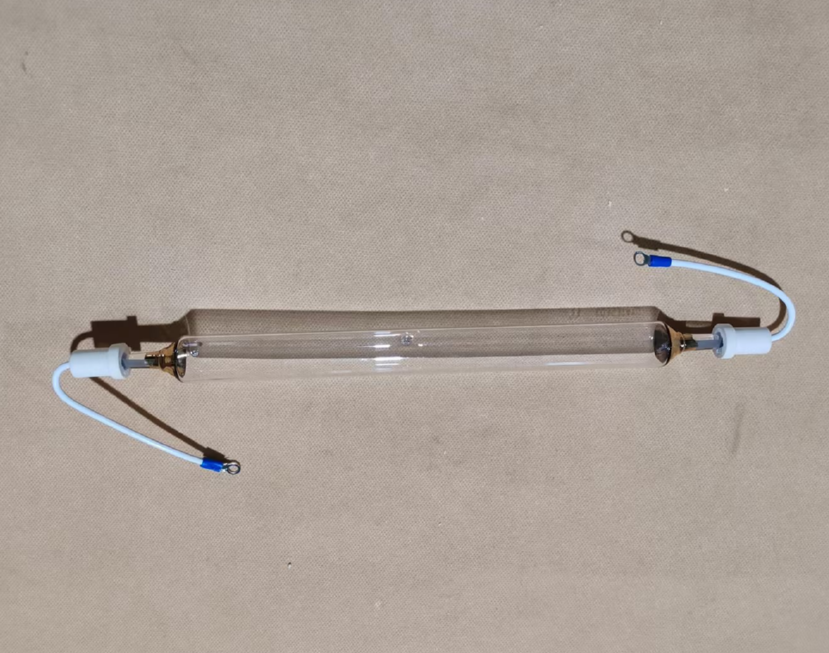
When you’re running at 600 fpm, the mercury lamp’s spectral output and reflector geometry are only as good as the thermal management behind them. Let it run hot, and the 365 nm peak drifts, irradiance flattens, and the lamp starts dying early — while you’re still seeing cure defects on the substrate.
What actually matters, technically
We size airflow to the lamp power and the quartz envelope limits, not to what the room thermometer reads. The cooling system is there to keep the electrode junction inside the lamp’s rated window, so peak irradiance at the cure plane stays steady across the whole run. Airflow is balanced to kill hot spots at the reflector apex without letting lamp temperature swing all over the map. That’s how you preserve the spectral profile your photoinitiators need, keep cross-linking repeatable, and stop thermal drift from showing up as pinholes, adhesion loss, or ink that stays tacky.
Why this matters on real press lines
On UV offset, flexo, and screen lines, the cooling isn’t a “nice to have.” It directly protects uptime and yield. When lamp temperature stays stable, you stop seeing power dips, you avoid output decay in long runs, and cure energy density stays predictable from the first sheet to the last. The payoff is fewer rejects, more consistent ink surface properties, and lamp life that actually tracks close to the rated hours — without trying to brute-force the cure by over-powering the lamp.
The things you learn the hard way
Airflow is never one-size-fits-all. Match the fan array to lamp length, lamp power, and the air path inside the enclosure. If you don’t, you can create turbulence that traps heat at the lamp ends. **Make sure the electrical side matches your lamp driver and fixture.**And keep intake air clean — dust loading on the lamp and reflector will kill output faster than any control setting can compensate.