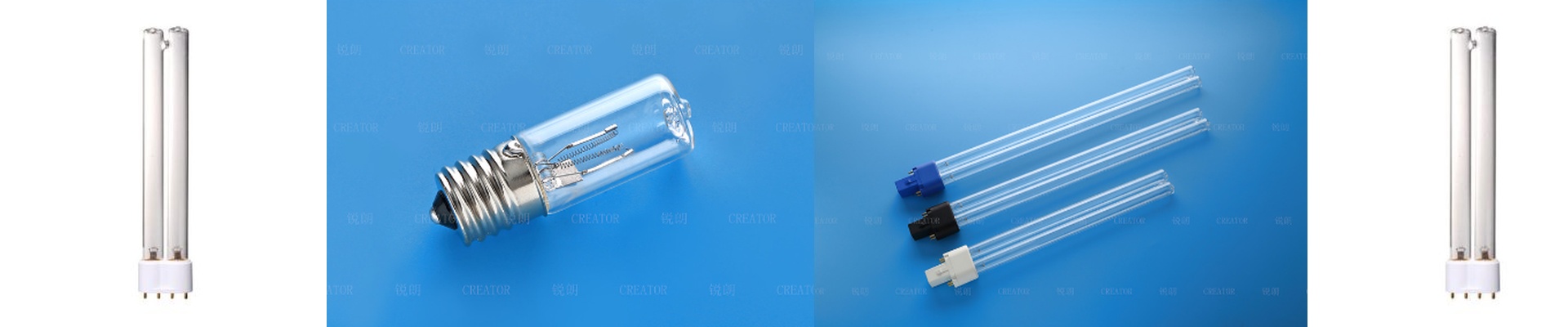


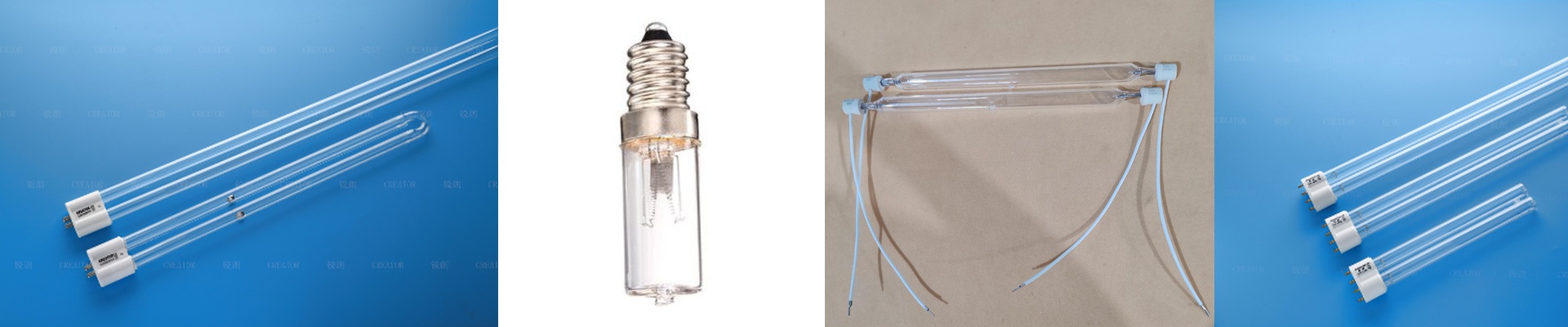
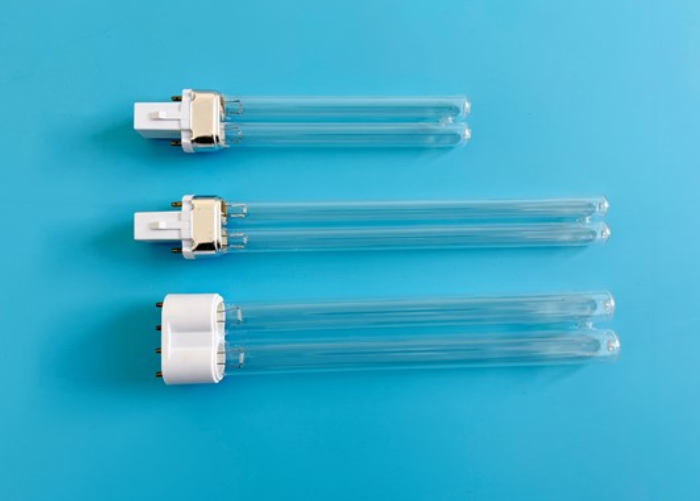
Every crisp, durable print comes down to one thing: the right burst of UV energy, delivered without fail. In forensic work, you can’t cut corners—latent prints and trace evidence have to be revealed cleanly, with no degradation. The UV source has to nail spectral integrity and deliver instant power, period. What actually matters under the hood We build these lamps around high-pressure mercury vapor. The output is dominated by 365nm, with a clean, defined FWHM. That wavelength is what the photoinitiators in forensic-grade fluorescent reagents respond to, so cross-linking kicks off fast. Peak irradiance tops 1,200 mW/cm² right at the focal plane. That gives you deep penetration into the substrate and locks the cure in under a second. The reflector uses a dichroic coating to push UV forward and keep IR heat from building up, so the sample surface stays cool. Why this setup earns its keep in the field and the lab Time and accuracy are non-negotiable. With instant curing, you capture fluorescence right at peak intensity—no waiting around for thermal stabilization. The high energy density drives full polymerization of the reagent, so you don’t get tackiness that can smear latent prints. Output stays stable over 5,000+ hours, with less than 5% drop in irradiance. That kind of consistency keeps evidence documentation repeatable, shift after shift, case after case. The practical details you can’t ignore These lamps are ozone-free, but they run at high voltage, so you need a matched igniter and ballast. Check connector type and mounting clearance against your fixture—reflector geometry directly affects spot uniformity. For repeatable results, keep a calibrated UV radiometer on hand to track dose. Replace the lamp when the spectral profile drifts beyond ±5% at 365nm.