


Stop Replacing Your UV Lamps Every Few Months
Let’s be honest: nobody likes swapping out UV lamps. It’s a tedious chore, it creates a mountain of hazardous waste, and every time you shut down a line for maintenance, you’re losing money. We think it’s time to stop treating these tubes like disposable plastic forks. We’re moving toward a zero-pollution model—which is really just a fancy way of saying we’re building things that actually last.
Why the glass matters
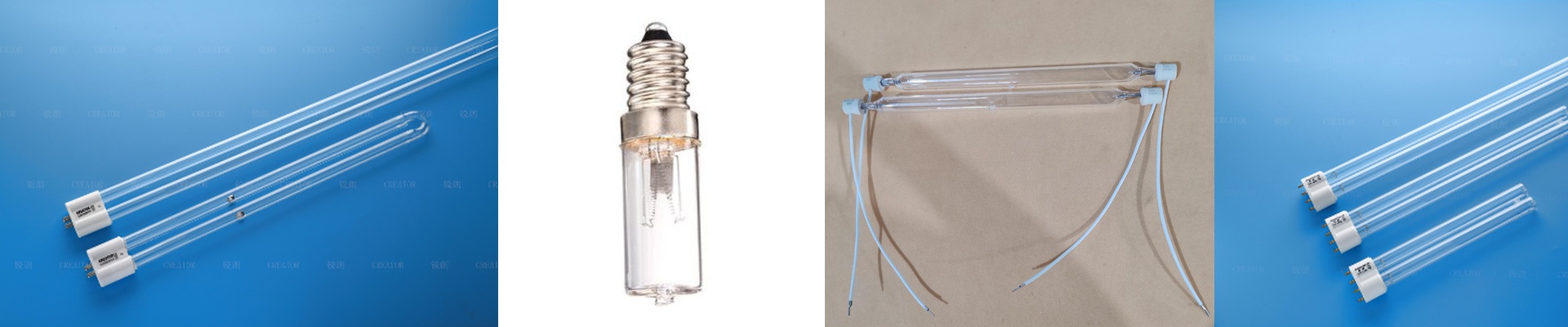
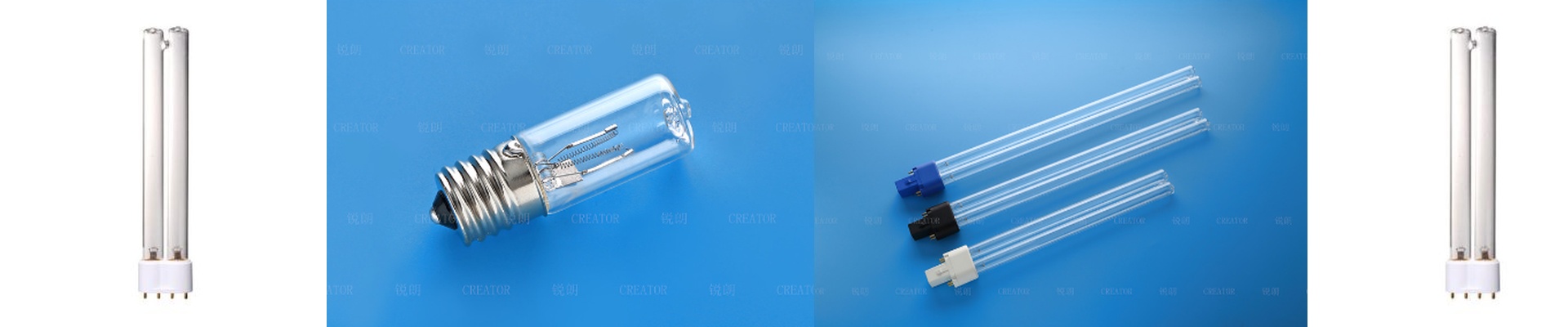
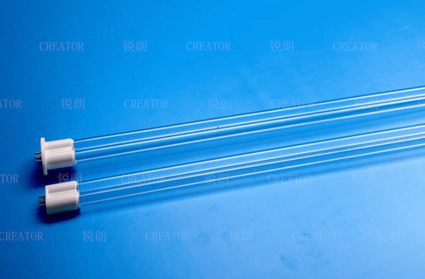
It all starts with the quartz. If you’ve used cheap tubes, you know they eventually get cloudy. That’s “solarization,” and it basically kills your UV-C output before the lamp is even technically “dead.” We use high-transmittance fused silica. It’s incredibly pure. Because we’ve scrubbed out the impurities, the glass stays clear and the light stays strong. You get a steady, reliable beam that doesn’t just drop off a cliff halfway through its lifespan.
Real sustainability (no buzzwords)
When people talk about “green” industrial gear, they usually just mean a logo change. For us, it’s about the chemistry. We tweaked the electrodes to stop the end-caps from darkening too early. When the ends stay clean, the lamp lives longer. Simple as that. Plus, we’ve ditched the nasty stuff—lead-free solder and eco-friendly sealants across the board. If you’re running a high-volume sterilization line, this is a win. Fewer lamp swaps mean less downtime and a lot less toxic waste heading to the landfill.
A quick heads-up on the install
The good news? These are drop-in replacements. They’ll work with most standard UV ballasts without any drama. But here’s the catch: these high-output tubes run hot. Really hot. If you’re squeezing them into a tight chassis, don’t forget your cooling fans. If the heat has nowhere to go, it’ll cook your ballast, and then it doesn’t matter how durable the tube is. Give the quartz at least a 15mm air gap. Give it some room to breathe, and it’ll treat you right.