


The 2026 UV High-Pressure Mercury Lamp: The Light Behind the New Factory Floor
Let’s talk about what’s really happening on the factory floor. It’s not just about gluing things together anymore. It’s about bringing serious light energy right into the heart of your automated lines. The 2026 UV high-pressure mercury lamp was built for that moment—for the modern, connected factory where the process has to be spot-on, every single time.
What’s Under the Hood: Pure, Concentrated Power
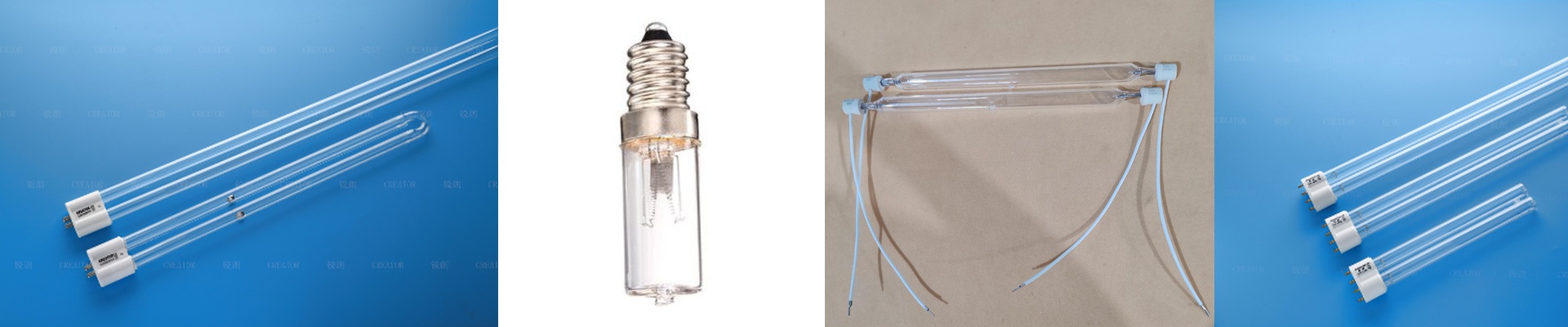
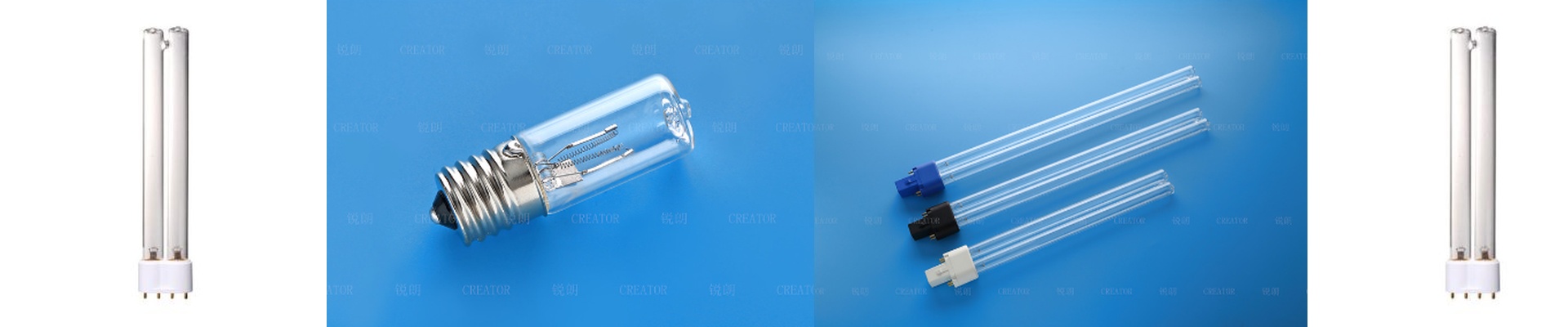
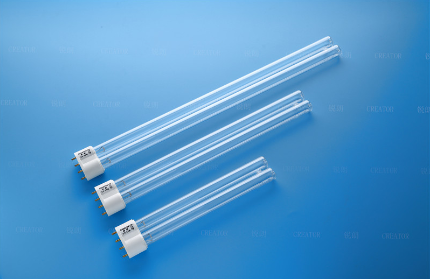
Here’s the core of it: a high-pressure mercury vapor discharge, engineered to blast out intense, focused UV. The 2026 model runs on a specific power envelope, and it needs a solid 400V feed to do its job. That voltage is what lights the arc inside the quartz tube and keeps it burning, giving you the heat and light you need for the tough jobs. And don’t worry about space. The design is compact, so it slips into tight machine enclosures without fighting for room. But it’s a dense powerhouse, so you’ll want to make sure your cooling system is up to the task. It runs hot, and that’s just the reality of that kind of concentrated energy.
Built to Take the Heat—and the Daily Grind
The quartz envelope is the backbone, handling the insane pressure and temperature inside. We’ve added special internal coatings to fine-tune the light spectrum, so you get the exact wavelength intensity you need for the work at hand. To keep the arc steady and stretch the lamp’s life, a halogen fill gas does the heavy lifting. It prevents early burnout, so you’re not constantly swapping parts. And the R7s base? It’s the standard for a reason. It gives you a secure, high-current connection that’s easy to wire up and won’t quit when the machine is humming and vibrating. This thing is built to survive the factory.
The Engineer’s Answer: A Simple Drop-in Win
This configuration is a straight swap for any system that needs hard-hitting, focused UV. It’s the kind of tool you install and forget about, because it was designed for the jobs that demand fast, deep curing and high heat. You get the power, you get the stable light output, and you get a body that can take the punishment of high-speed production. The payoff is simple: your process stays consistent, your machines stay running, and the whole thing just fits into your existing setup without a fight.