

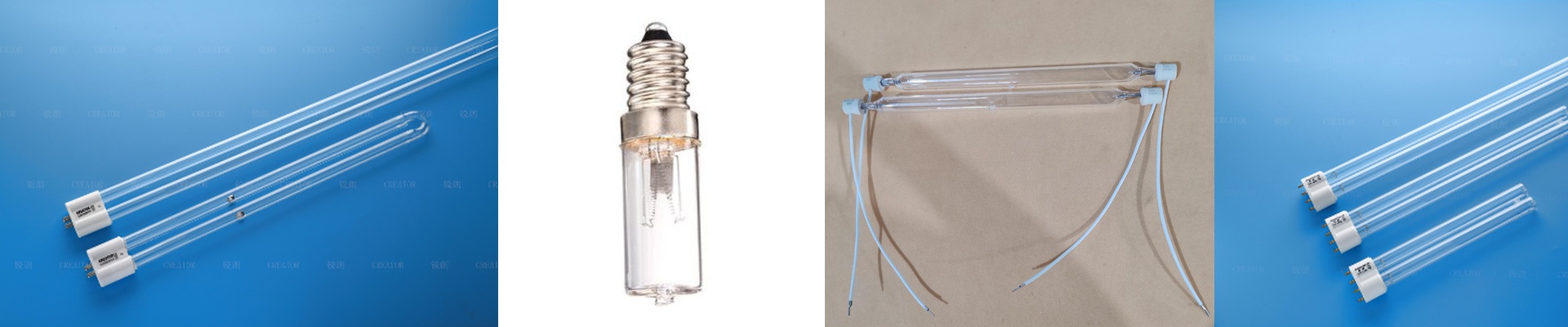
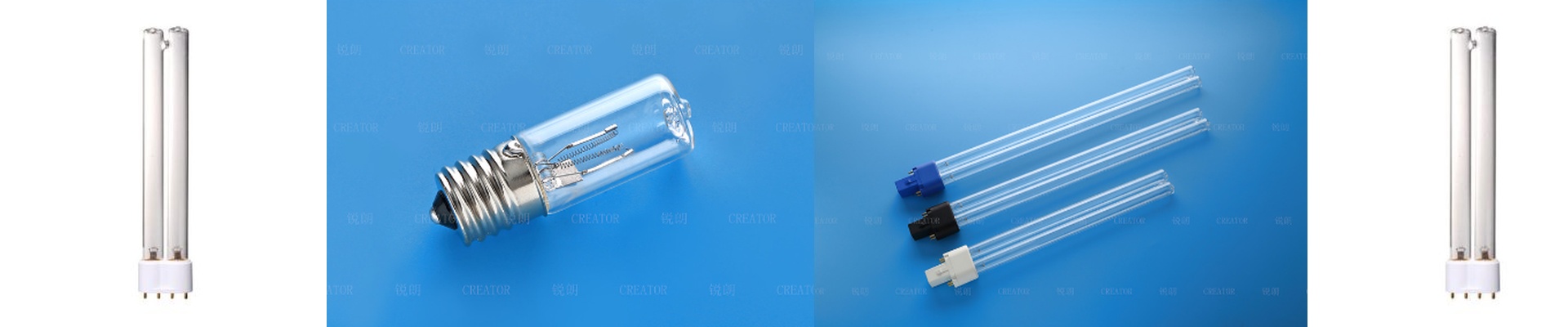

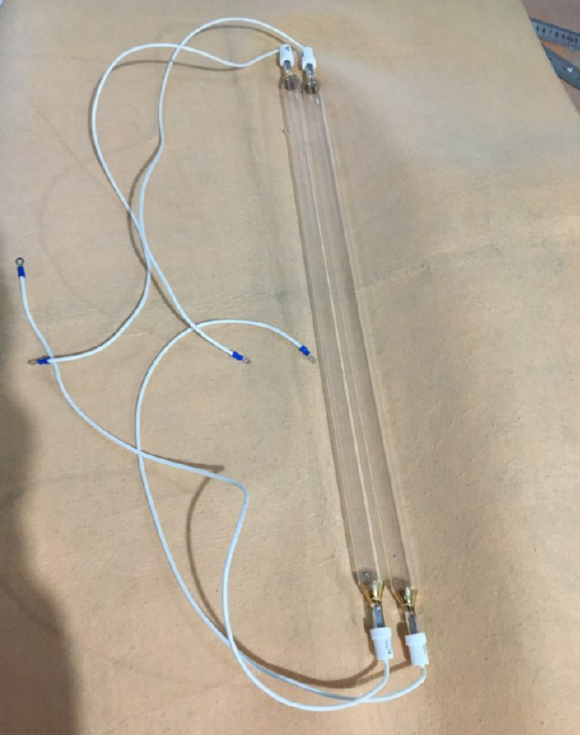
Let’s Talk About Our 80W/cm Mercury UV Lamps
We build our standard lamps at 80W/cm. Why? Because it’s the sweet spot. It gives you the speed you need to keep the line moving without burning through your bulbs every other week. It just works.
Dealing with the Heat
When you’re pumping out that much radiation, things get hot. Fast. To keep the glass from literally softening under the pressure, we use high-purity fused quartz. It’s tough. But here is a pro tip:**keep your reflectors spotless.**If dust builds up on those mirrors, the heat bounces right back into the tube. That’s how you get “end-blackening” or a lamp that dies way before its time.
What’s Happening Inside
Inside the tube, we’re turning mercury vapor into plasma. Once that arc settles in, you get those primary peaks at 254nm and 365nm. Those are the real heavy lifters for curing your inks and adhesives. We spend a lot of time dialing in the gas pressure. If it’s even slightly off, you’ll see “hot spots” along the lamp. And nobody wants a conveyor belt where half the product is cured and the other half is still tacky.
Making it Work in Your Shop
You can’t just plug these in and hope for the best. You need a solid ballast. If your power supply is shaky, the lamp flickers, and your cure rate drops. It’s frustrating and wasteful. Also, remember that these lamps don’t just put out UV—they put out a ton of infrared heat. If you’re working with thin PET or PVC, that plastic will warp before the ink even has a chance to set. You’ll want a chilled air knife or a water-cooled jacket to keep things cool. Plus, we handle everything ourselves—from picking the quartz to the final gas fill. Since we don’t use middlemen, we can keep the price down without using cheap electrodes that fail on you.