
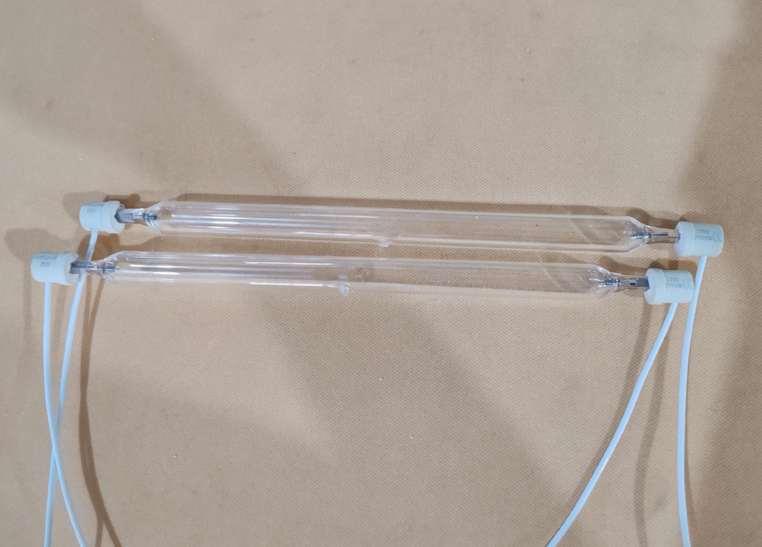
Ditching the Toxins: A Better Way to Handle UV Curing
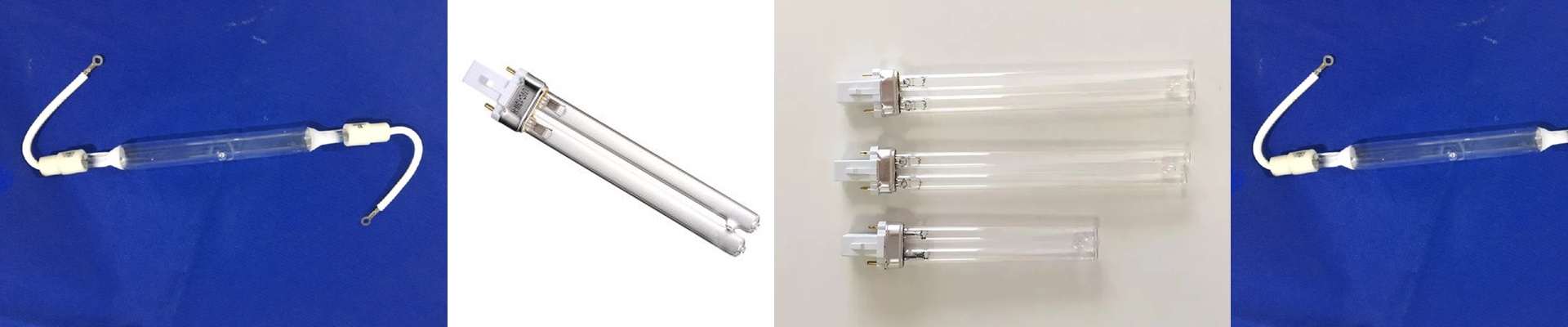
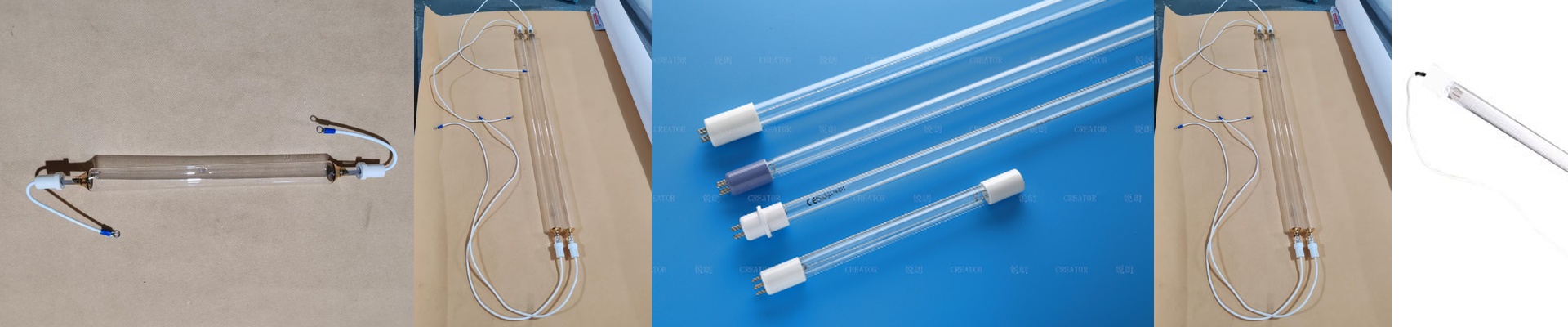
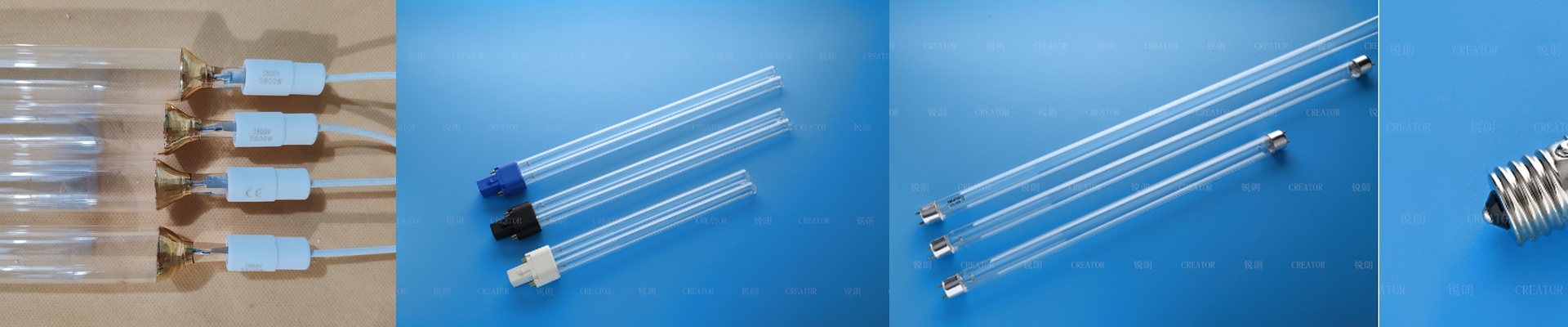
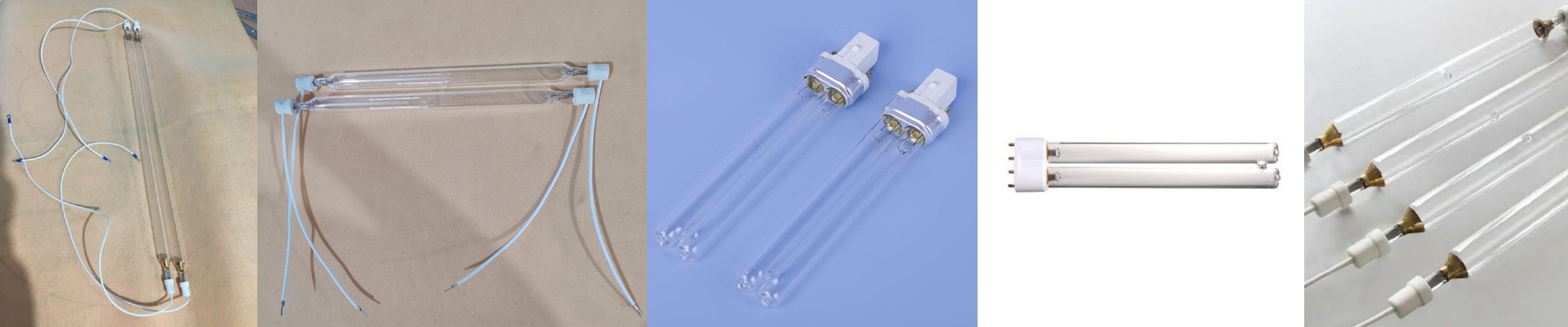
If you’ve ever struggled with standard mercury lamps failing to cure the deep layers of a coating, you know the frustration. That’s where Gallium Iodide (GaI) lamps come in. We build these in China for people who are tired of dealing with hazardous waste and want a production line that doesn’t leave a toxic footprint. It’s not about following a “green” trend. It’s about the peace of mind that comes with getting heavy metals out of your workspace. The Nitty-Gritty on Performance These lamps hit a very specific sweet spot in the light spectrum. They punch through thick pigments and heavy coatings that other lamps just bounce off of. Because the output is so concentrated, you can usually speed up your conveyor belts without worrying about the cure. It’s efficient. But there’s a catch: these things runhot. To keep the glass from cracking under that kind of heat, we use high-purity quartz. It’s tough, and it lasts. Built to Last (and Not Pollute) We decided to strip out the mercury and the gases that create ozone. Why? Because nobody likes the headache of hazardous waste disposal every time a bulb pops. We also spent a lot of time messing with the electrode composition. We wanted to stop that annoying premature burn-out. When your lamps last longer, you spend less time swapping tubes and more time actually running your business. Less downtime is always a win. What to Watch Out For For most of you, these are just drop-in replacements. As long as your power supplies are set for the right voltage and current, you’re good to go. But here is a heads-up: you’ll feel the heat. GaI lamps throw off a lot of infrared energy along with the UV. If you’re working with materials that warp or melt easily, you’ll need a solid cooling system or you’ll have to slow your line down a bit. We build these to take a beating in a loud, messy industrial shop, but remember—the lamp is only as steady as the ballast powering it. Keep your power stable, and these lamps will treat you right.