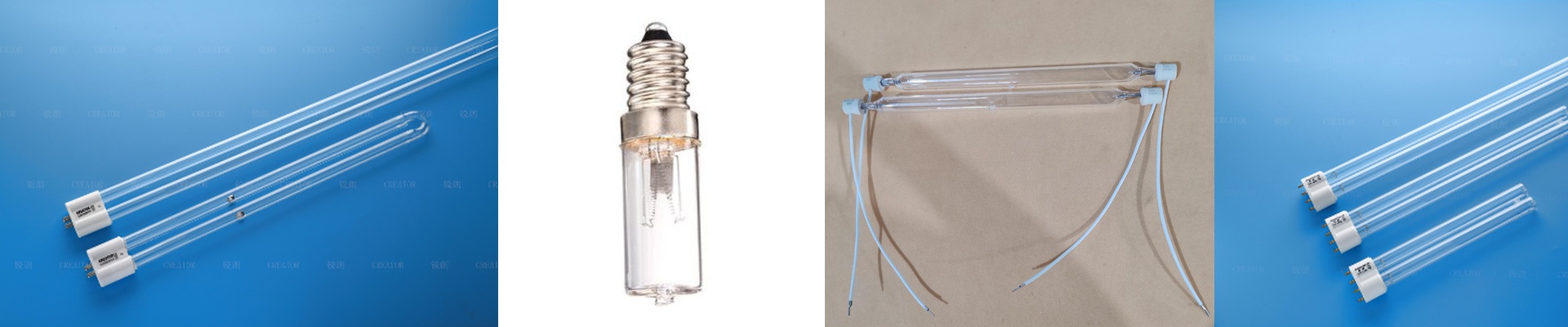


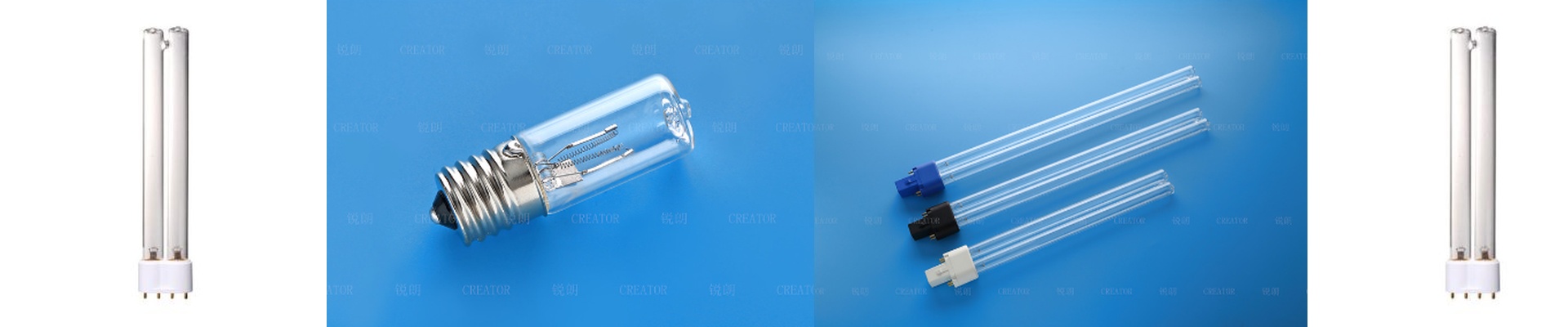


Getting Smarter with Gallium Iodide UV
Gallium iodide (GaI) lamps are beasts when it comes to high-intensity UV. But for a long time, we’ve basically been using “dumb” bulbs—you plug them in, hope for the best, and cross your fingers that they’re actually doing their job. Lately, things are changing. We’re moving toward systems that actually tell you what’s happening under the hood through remote energy monitoring. And look, this isn’t about sticking a flashy screen on a machine just for the sake of it. It’s about knowing the exact second your lamp’s output dips too low to actually sterilize or cure your product.
The Heat and the Hustle
Here is how the physics work: GaI lamps excite gallium atoms in an iodide halide mix. This creates a concentrated UV peak that punches through materials way better than your standard mercury vapor. You get a ton of power, but there’s a catch.**These things run hot.**Like, really hot. If you don’t have your housing vented properly, the quartz envelope takes a beating and your lamp life just vanishes.
Stop Guessing When to Swap Bulbs
Old school? You’d set a timer and swap the bulb every 8,000 hours. But that’s just guessing. Some bulbs last longer; some die early. The newer smart lamps fix this by putting sensors right into the ballast or the lamp head. We can track the wattage and spectral decay in real-time. By watching the voltage and current, we can usually tell a bulb is about to quit before it actually does. If the wattage drops by 15%, the system flags it. That saves you from those nightmare “dark spots” on a production line where the UV dose isn’t hitting the spec and you’re shipping bad product.
The Reality of Setting It Up
Now, you can’t just take a smart lamp and jam it into a 20-year-old analog socket and expect it to start talking to you. It doesn’t work like that. You’ll need a stable data link, a compatible PLC, and the right driver to make the magic happen. Plus, you have to think about your power grid. High-output GaI lamps pull a lot of juice. When you scale up to a full array of monitored lamps, the heat and power draw add up fast. Make sure your cooling systems and breakers are built for the peak surge, not just the average run, or you’ll be tripping switches all day.