

Why Your Floor Needs a Rock-Solid UV Emitter
Picture this: you’re running a plant with several big printing lines humming along. The one thing you can’t afford? Electrical noise messing with your UV curing. Standard UV lamps get jumpy when other machines power up. They flicker, the output dips, and suddenly you’re dealing with inconsistent curing and a pile of wasted material. We built our high-power UV emitter to just ignore all that electrical crosstalk. It keeps its cool, delivering a steady, reliable output—even when the whole electrical grid is getting hammered.
The Power Behind the Performance
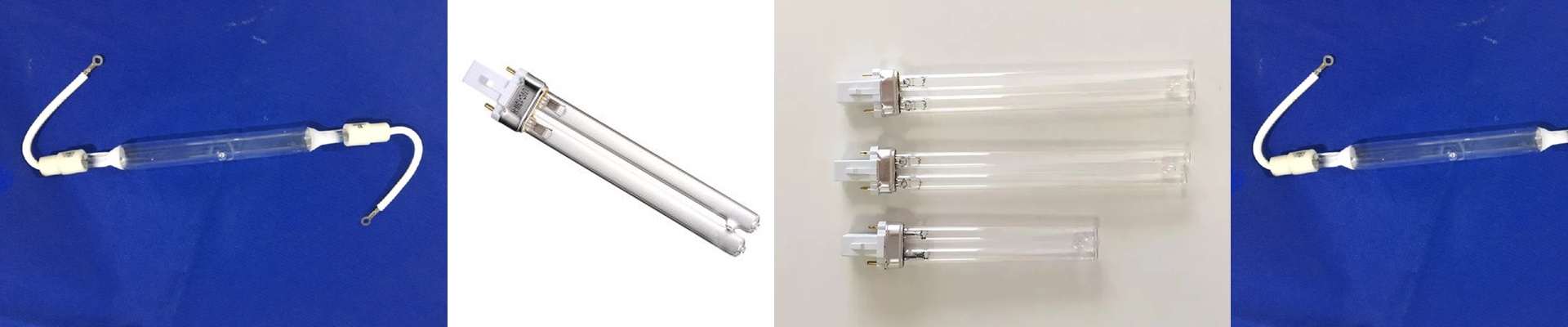
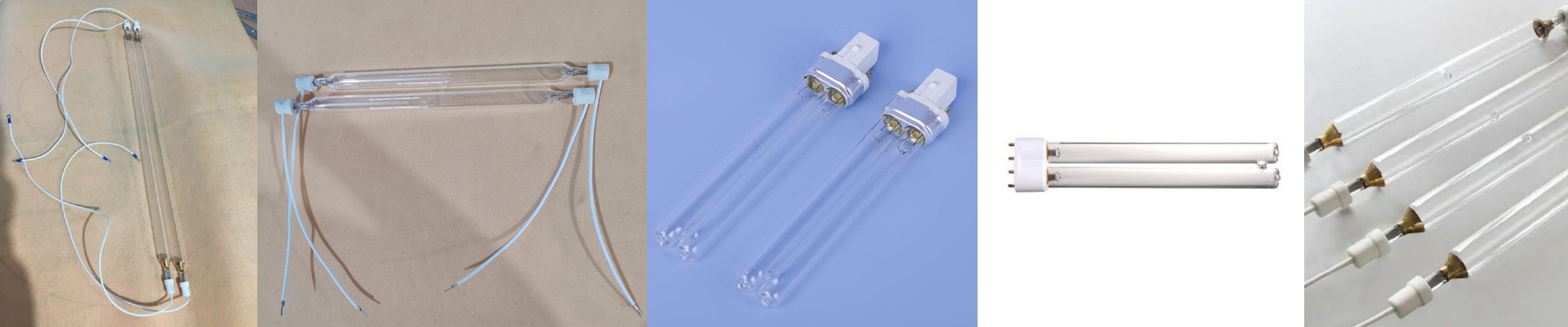
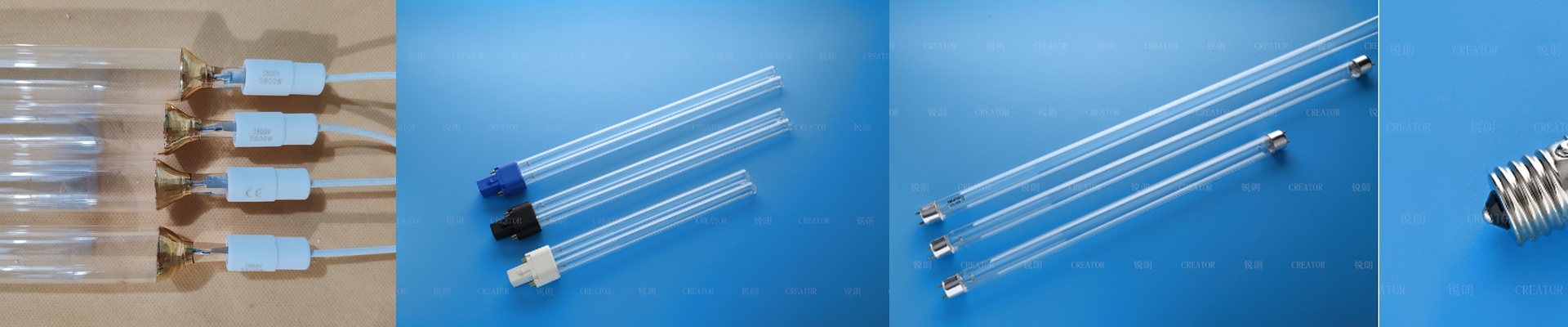
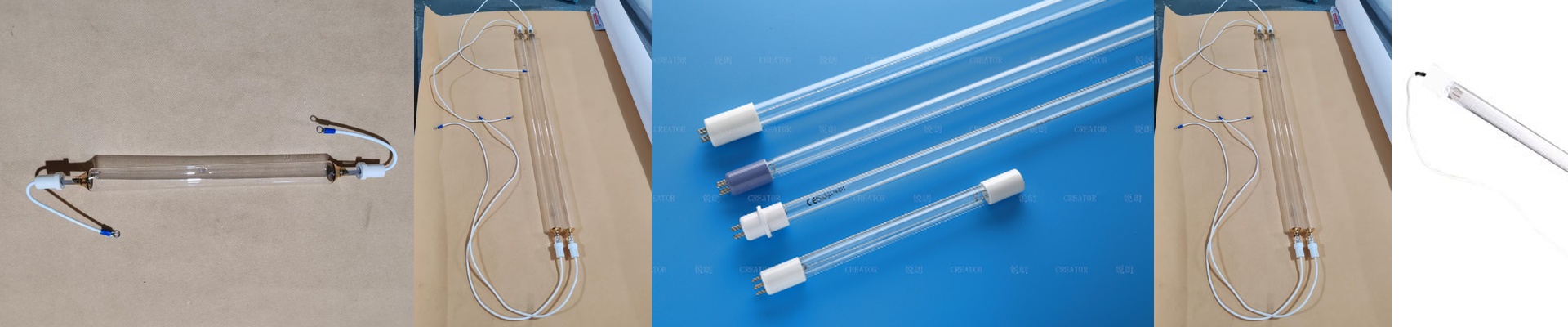
Here’s the thing about industrial curing: it needs serious muscle. We spec our emitters for high power and high voltage because you need fast, deep penetration into thick coatings and inks. The higher voltage profile is smart—it hits the watt density you need without pulling excessive current. That means cleaner wiring runs and less voltage drop, even over longer distances. And the lamp length? It’s perfectly matched to the curing zone. So you get full-width intensity with no hot spots or cold edges. This isn’t some flimsy bulb. It’s a tool, built from the ground up to handle the heat and the light.
Built to Last, Inside and Out
At the heart of it is a coated quartz envelope. We chose it for its ability to handle thermal shock and keep transmitting stable UV light, even after thousands of on/off cycles. The coating is there to keep output consistent over time, even when the lamp is exposed to solvents and dust—the everyday reality of a printing plant. And the connections? They’re tough. A robust connector interface that stays reliable even with constant vibration and thermal expansion. It’s a true drop-in replacement. No messing around with rewiring. Just plug it in and get back to work.
The Payoff: Smooth Running, All Shift Long
In a multi-machine print environment, the emitter’s immunity to interference is a game-changer. Curing stays consistent across every line. You get repeatable cure speeds, fewer jams from tacky ink, and way less scrap from under-cured product. Now, a heads-up: this thing packs serious power, so it needs proper cooling and airflow. Size your cooling right, and you’ve got a system that runs all shift, every single day, without you ever having to chase output drift. Just steady, reliable performance.