


Getting More Out of Your UV Curing
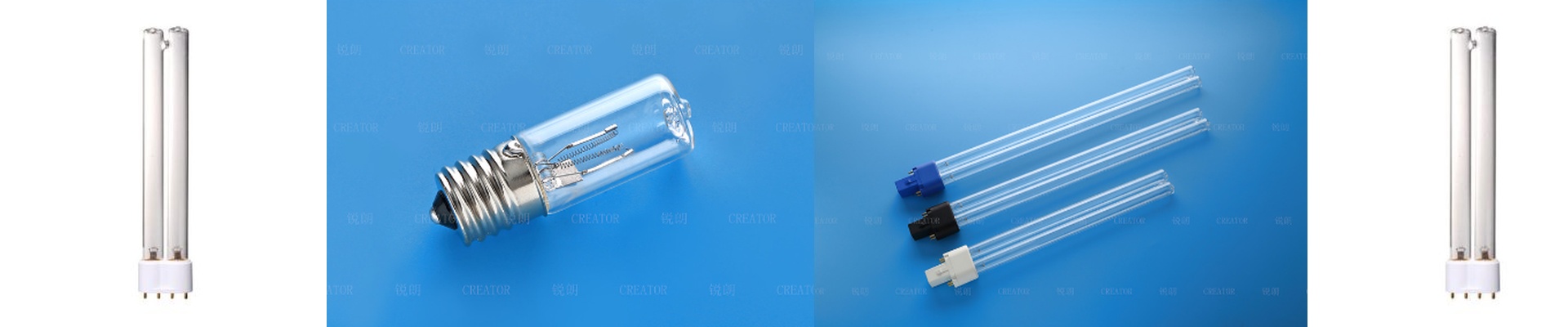
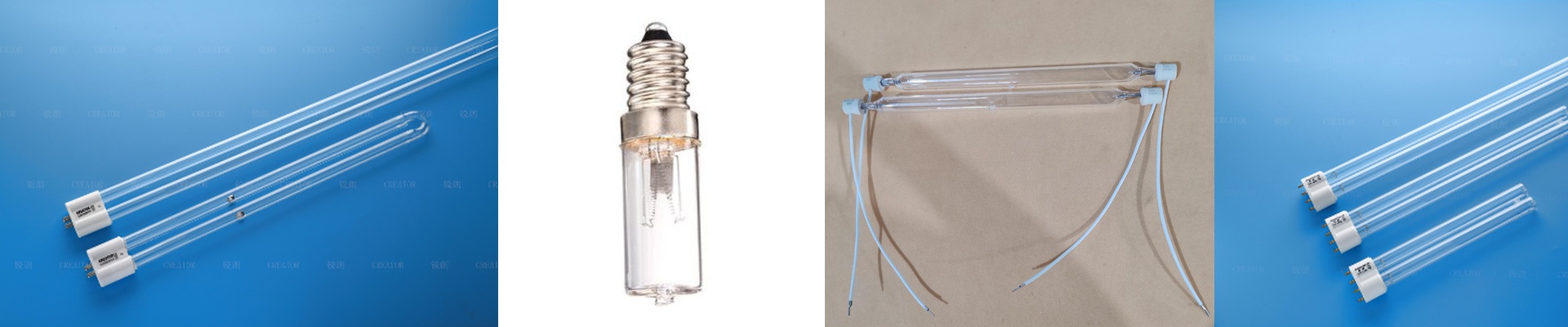
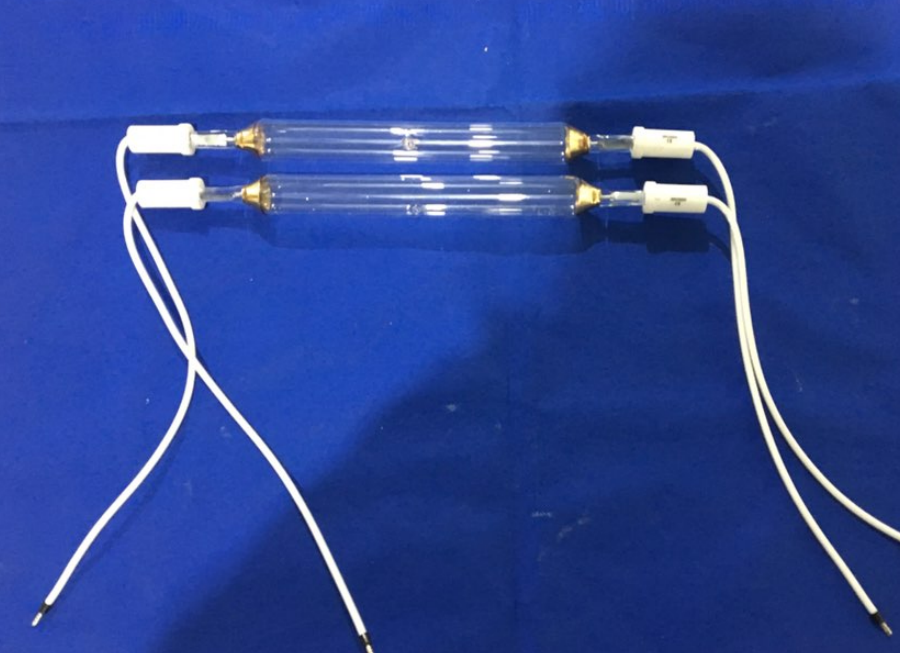
Quartz UV lamps are the real heavy lifters in industrial curing. But if you look at them as just “light bulbs,” you’re missing the point. They’re actually precision tools for managing heat and chemistry. When you’re trying to scale up, the only thing that matters is consistency. You want your lamp to hit the same intensity on hour one thousand as it did the moment you flipped the switch.
Why Quartz Actually Matters
We stick with high-purity fused quartz for a simple reason: regular glass is a wall. It blocks those shortwave UV rays. Quartz lets those high-energy photons slide right through without getting trapped in the tube wall as heat. That means more energy actually hits your product and less is wasted. It’s just more efficient. Now, you have to balance your wattage and voltage with how fast your line is moving. Sure, a higher wattage tube lets you crank up the conveyor speed. But there’s a catch. High intensity means high heat. If your cooling fans can’t keep up with that thermal load, your lamp life will tank—or worse, your parts will start to warp.
Keeping Things Running
We design these tubes for quick swaps because we know that downtime is a nightmare. Nobody wants to spend half a shift rewiring a rack. We keep the footprints standardized so you can just drop in a new one and get back to work. One thing to watch out for? The ballast. This is where a lot of people run into trouble. If the voltage doesn’t line up with the tube’s design, you’ll fry the electrodes way too early. A good rule of thumb is to check your current draw every 500 hours. It’s a quick way to see how the lamp is aging before it actually fails.
Real-World Use
These tubes do everything. They harden PET bottles and set automotive clear-coats. By tweaking the wavelength and intensity, you’re basically deciding how the polymer bonds together. It’s less about “drying” and more about engineering the material itself. The result? A tougher finish and a much faster cycle. It just works better.