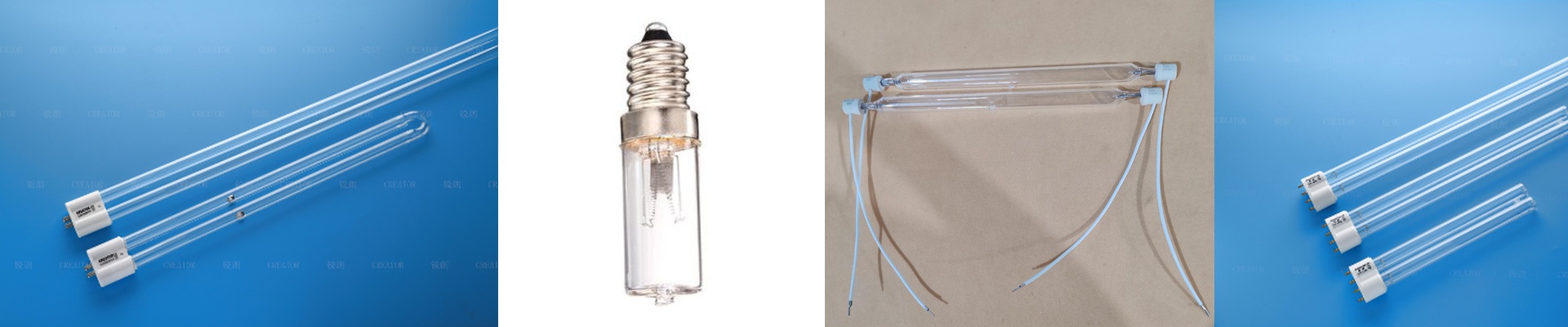


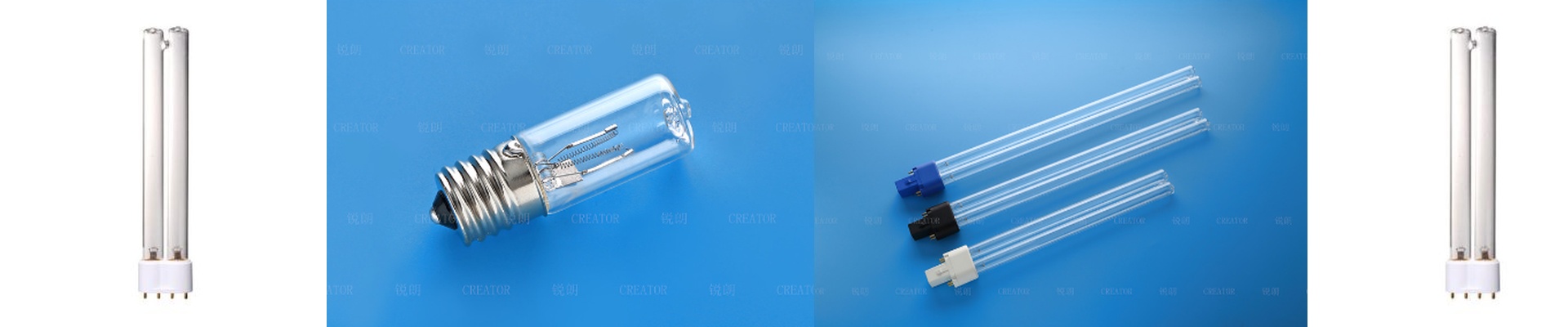

Stop Guessing With Your UV Lamps
Most people shopping for UV lamp replacements just look at two things: how long it lasts and how much power it pulls. But we realized something was missing. We stopped worrying about raw power and started obsessing over where that energy actually lands on the spectrum. We spent our time chasing a 0.5% concentration window.
Why that tiny percentage matters
Here’s the thing: standard lamps tend to “drift.” The energy spreads out, and you end up wasting a ton of power on wavelengths that don’t actually do anything for your specific material. It’s like trying to hit a bullseye with a shotgun. To fix this, we had to rip everything apart. We redesigned the filament geometry and messed around with the gas mixtures until we got it right. We needed the arc discharge to stay put. When the arc “wanders,” the spectrum smears, and your energy density just tanks.
The trade-offs (because nothing is free)
Getting that window down to 0.5% isn’t easy, and it comes with some quirks. These lamps are a bit finicky when it comes to voltage. If your power supply has any ripple, the spectral peak shifts. You can’t just plug these into some old, dusty ballast and expect them to work. You’ll need a stabilized DC or high-frequency AC source to keep everything locked in. We also had to get pickier about the glass. We switched to a higher purity grade of quartz because even tiny impurities in the tubing can soak up the UV bands we worked so hard to concentrate.
What this actually does for you
If you’re running a curing or sterilization line, this is where it gets interesting. You can shorten your dwell times. You get the same chemical reaction, but you aren’t baking your substrate with unnecessary heat. It works easily with most smart UV systems. Just make sure your cooling can handle the thermal load at the lamp head, since the energy is so concentrated. Stop settling for “close enough.” It’s time to use a lamp that actually hits the mark.