


Getting UV Lamp Production Right for Your Machines
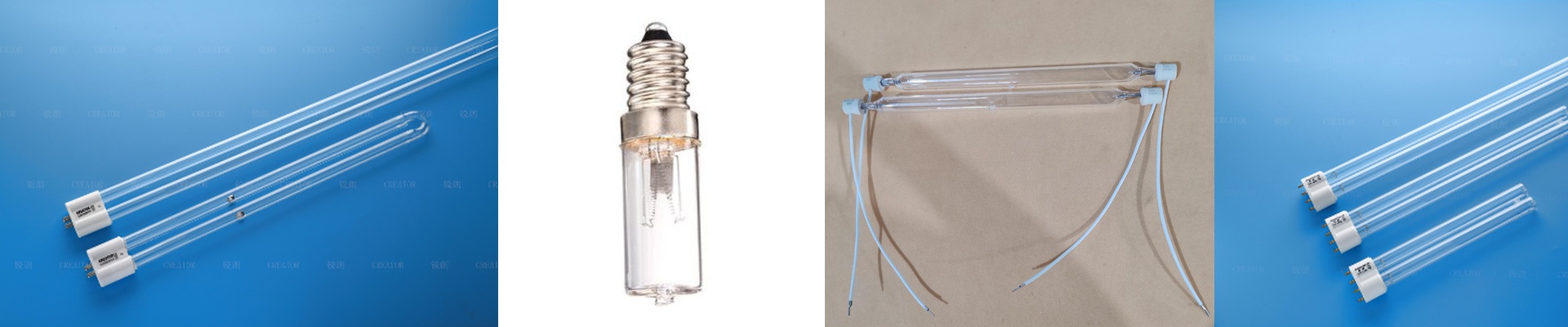
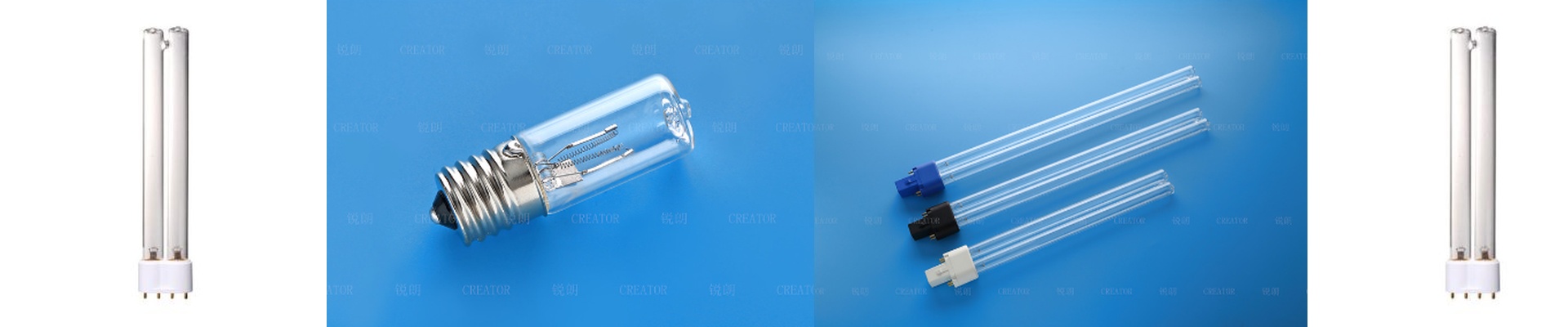
It took us 15 years to stop being just another white-label supplier and actually become a primary manufacturer. If you’re building equipment, you know a UV lamp isn’t just a bulb you plug in. It’s the heart of the process. If the light drifts or a quartz tube pops early, your whole line goes dark. That’s a nightmare nobody wants.
The reality of stability
On paper, specs look great. But the shop floor is a different story. UV lamps live or die by their gas mixtures and how the electrodes are made. If you’re running a high-speed conveyor, you can’t afford a slow ramp-up or a lamp that wanders in temperature. That’s where your throughput disappears. We use high-purity fused quartz because it actually lets the UV light through. No “yellowing” over time, which means your curing speed stays fast from day one until the end of the lamp’s life.
The heat struggle
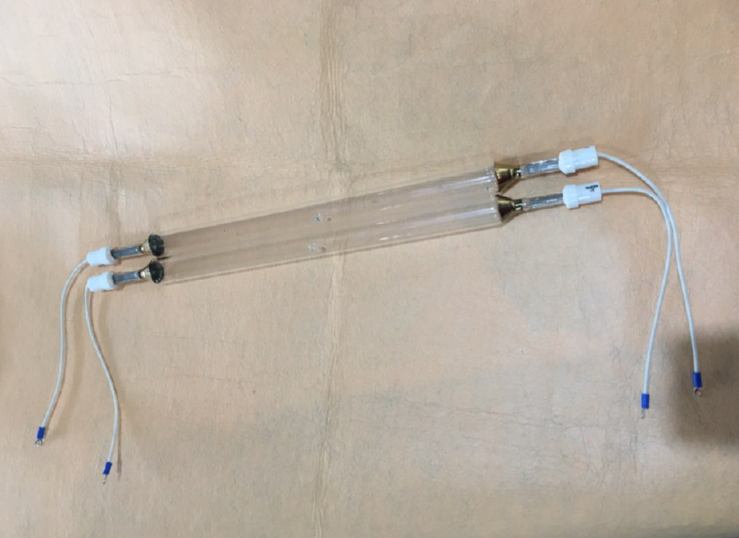
Here’s the thing: cramming a high-wattage lamp into a tight machine creates a massive heat problem. More power means more heat. If your cooling fans aren’t up to the task, those electrodes are going to burn out way too soon. It’s a simple physics problem that causes expensive headaches. To make things easier, we do custom connector setups. We want these to be a simple drop-in replacement. Whether it’s a specific pin layout or a weird length, we handle it so your team doesn’t mess up the wiring during assembly.
Real quality vs. certificates
A piece of paper on a wall doesn’t mean much if the product doesn’t work every single time. We obsess over flicker and intensity. Imagine if one lamp cures at 90% and the next one hits 110%. Your finish would be a mess. We’ve spent years tweaking how we vacuum seal and fill the gas. The goal is simple: the lamp you plug in today should act exactly like the one you buy six months from now. When that happens, you can stop worrying about the components and start focusing on your brand.