


Let’s Talk About UV Curing (And Why Your Lamps Actually Matter)
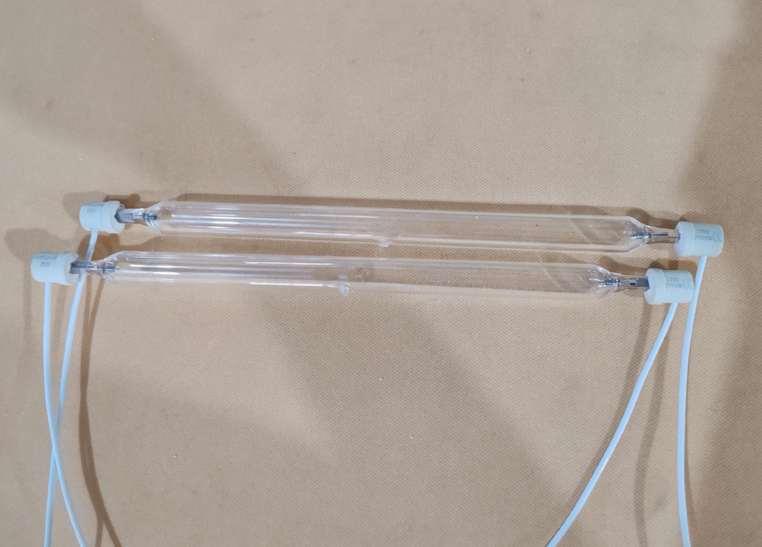
Mercury UV lamps aren’t just some basic tools you flip on and off. When you’re running a modern shop, these lamps are the heart of the whole operation. They’re what actually lock your coatings in place and make those chemical bonds happen fast. We don’t just build “lights.” We build systems that nail the spectral output and stay stable when things get hot.
The Science Bit (Simplified)
Here is how it works: we use a high-pressure mercury arc to create a wide range of UV light. Why? Because different photoinitiators are picky—they only react to specific wavelengths. By tweaking the gas pressure and the way the electrodes are shaped, we make sure the lamp hits those exact peaks needed for a deep cure. You get a consistent blast of energy across the whole surface. The short-wave UV does the heavy lifting here, diving deep into the material to lock those polymer chains tight.
The Gritty Hardware Stuff
Factory floors are brutal. They’re loud, they vibrate, and they’re hot. That’s why we use high-purity fused quartz. It stops “solarization”—that annoying thing where the glass gets cloudy over time and kills your UV output. But there’s a catch. High-wattage mercury lamps put out a ton of infrared heat along with the UV. If you’re running a dense array of these, your cooling system has to be up to the task. If you don’t have enough airflow, you’re asking for trouble. You might warp your materials or just fry the ends of your lamps. To stop that from happening, we give you exact wattage-to-cooling ratios. It’s simple math to save you a massive headache.
Getting It All to Work Together
We designed these lamps to be easy. They’re drop-in replacements, meaning they fit right onto your existing rails without you having to rebuild your entire tunnel. The real magic happens when you hook them up to your PLC. You can sync the lamp intensity with your line speed. So, if the belt speeds up, you bump the power. Simple. You won’t have to worry about under-cured parts sliding off the line, and your scrap pile stays small. That’s a win for everyone.