
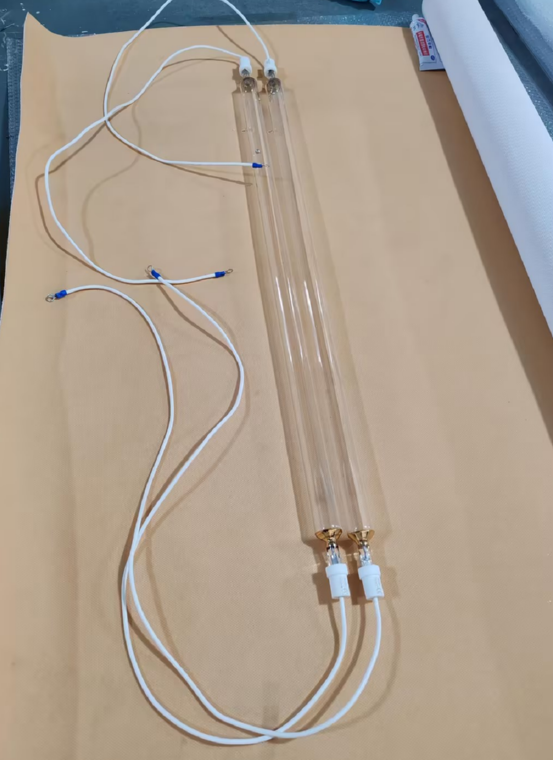
Why Gallium Iodide Lamps Actually Matter in Textiles
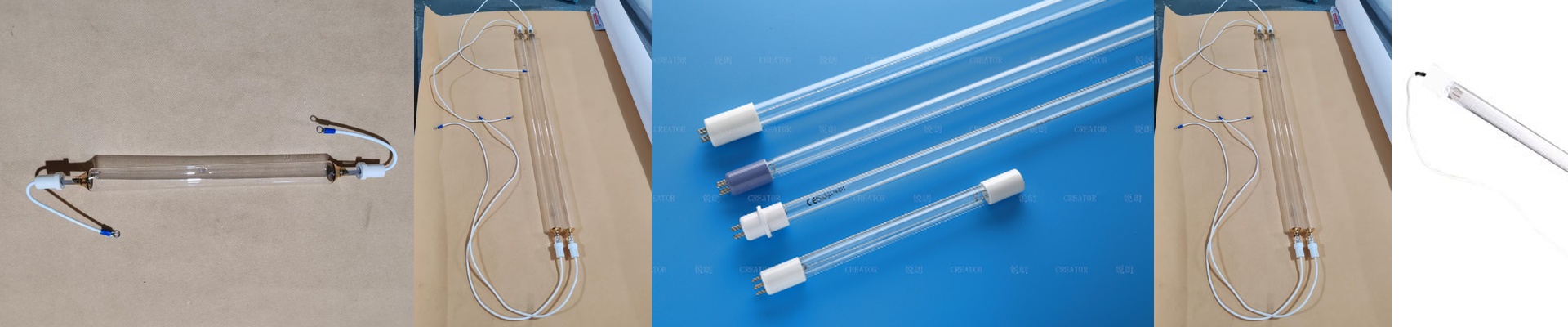
Most people think textile work is all about looms and buckets of dye. But if you look closer, there’s a lot happening behind the scenes with UV curing and modification. That’s where our gallium iodide (GaI) lamps come in. Standard mercury lamps are fine for some things, but they miss certain spectral peaks. We use GaI to hit those exact spots.
The “Secret Sauce” of the Physics
Here is the thing: your average UV lamp usually peaks at 254nm. That’s okay for surface work, but it doesn’t go deep. By adding gallium iodide to the arc, we shift that emission. It opens up the output, specifically targeting the 300nm to 400nm range. Because of that shift, the light actually penetrates thick fabrics or heavy coatings instead of just bouncing off the top layer. It gets into the material.
Getting the Setup Right
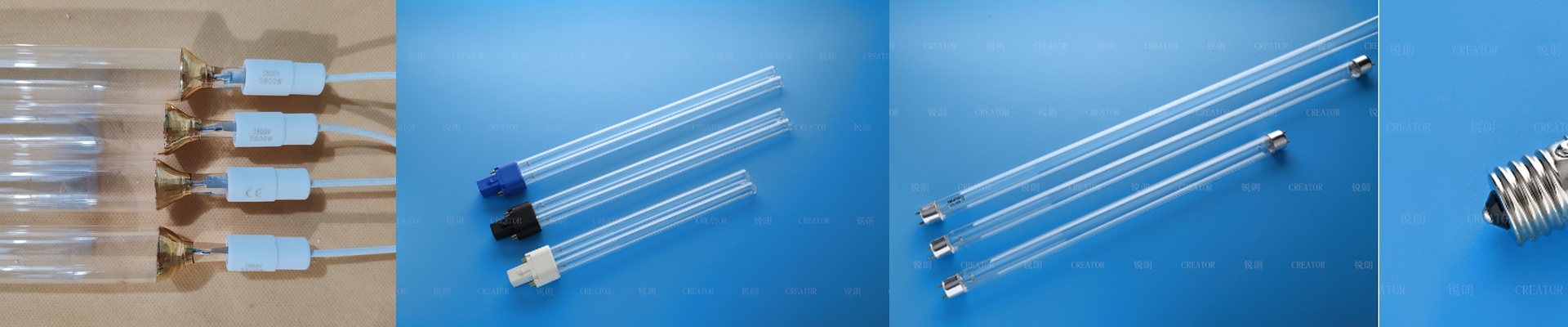
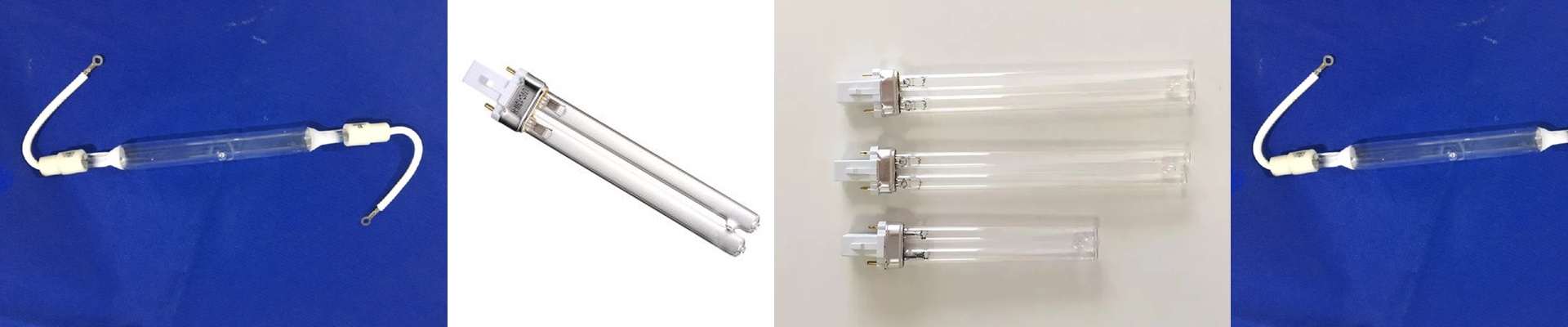
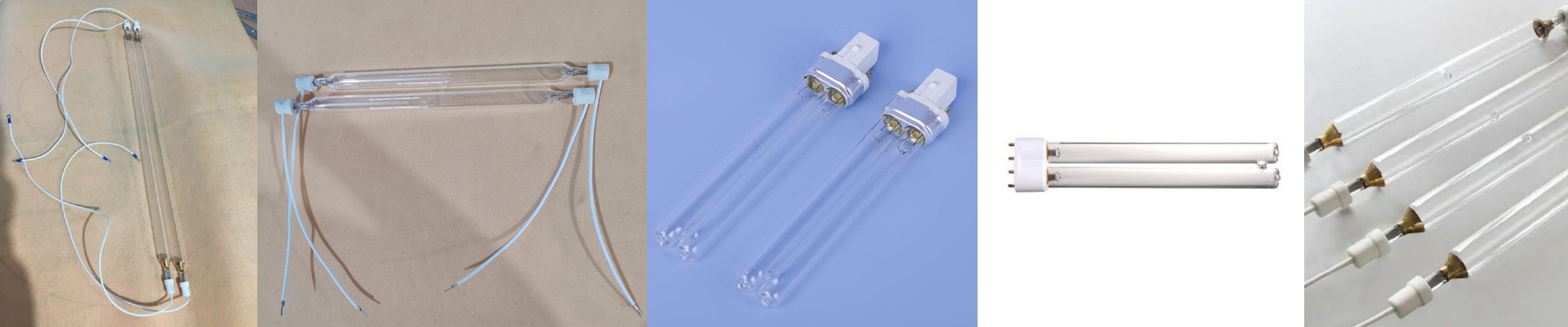
When we’re figuring out the specs for your line, everything depends on your speed. A longer tube gives you a bigger area to work with, but there’s a catch—you risk a voltage drop. You’ve got to make sure your ballast output matches the lamp’s operating current. If you don’t, you’re just going to burn out the electrodes. Not a great way to spend a Tuesday. We use high-purity quartz for the glass. Why? Because we don’t want the glass to “solarize” or cloud up when the intensity cranks up. And a fair warning:**GaI lamps run hot.**Really hot. If you’re in a high-heat environment, don’t skimp on the cooling fans. If those tubes overheat, your UV intensity drops and your lamps die a lot sooner than they should.
Real-World Use on the Floor
In a busy plant, these lamps do the heavy lifting. You’ll mostly see them handling: ***Ink Curing:**Getting digital prints to stick to synthetic fibers without accidentally scorching the fabric. ***Surface Modification:**Tweaking how a yarn handles water before it even hits the dye. ***Adhesive Bonding:**Locking in glues for the tough stuff, like medical gear or car interiors. The cure times are fast. Very fast. But you have to watch your spacing. If the lamp is too close, you’ll warp the material. Too far, and the cure just isn’t finished. It’s all about finding that sweet spot.