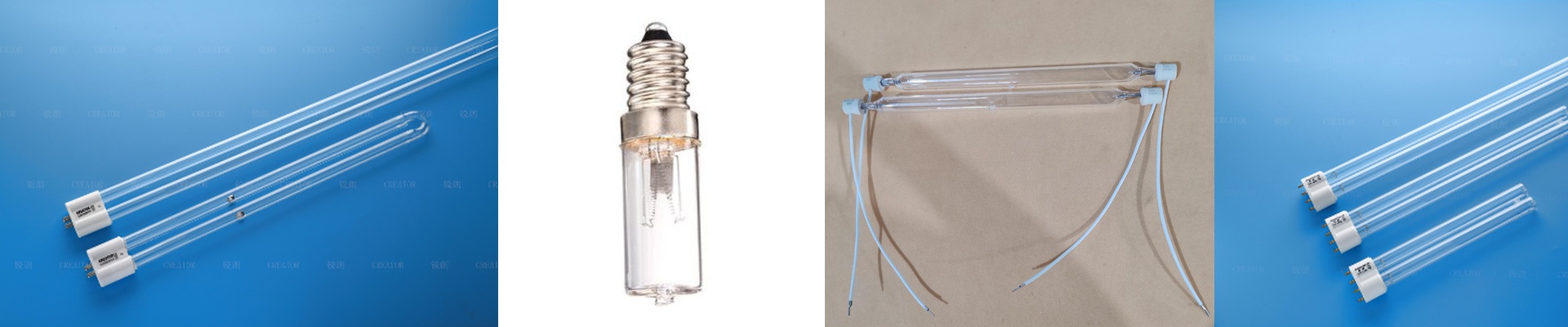
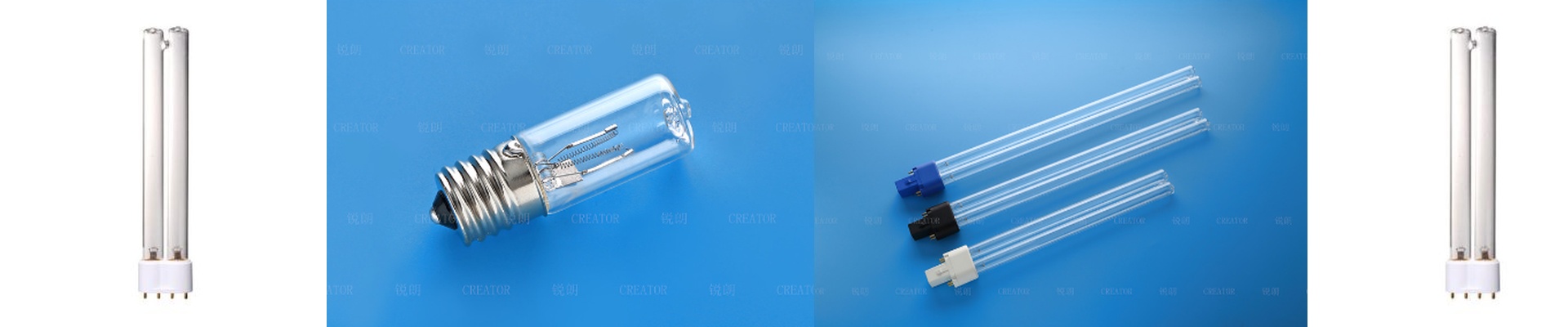


Getting Your Prints Dry Fast: The Truth About UV Curing
Ever wonder how some industrial prints are bone-dry the second they come off the line? It’s not magic; it’s just a lot of concentrated light energy. We build UV lamps that trigger a reaction in the ink, turning it from a liquid to a solid film almost instantly. In a high-speed shop, this is a lifesaver. Nobody has time to wait for ink to air-dry, and nobody wants to deal with smudges ruining a whole batch of work.
The Nitty-Gritty of UV Output
Most of our industrial lamps use mercury-vapor tech to hit a specific sweet spot—usually around 365nm. Think of this wavelength as the “on switch” for the chemicals in your ink. We push for high wattage because you need enough punch to get through thick layers of ink. If you skim up on the power, you end up with “under-cure.” That’s the nightmare scenario where the print looks fine for a second, but then just rubs right off the material.
Dealing with the Heat
Here is the tricky part: these lamps getinsanely hot. To handle that, we use high-purity quartz glass. Regular glass would either block the UV rays or, more likely, just shatter from the heat. Because they run so hot, your cooling system has to be spot on. Whether you’re using forced air or water-cooled jackets, you’ve got to strip that heat away fast. If you don’t, your bulbs are going to burn out way sooner than they should. It’s as simple as that—keep it cool, or keep buying new bulbs.
Looking Ahead
Looking toward 2026, the whole industry is moving toward much tighter control over wavelengths. It’s all about matching the lamp perfectly to the specific ink you’re using. We design our lamps to be drop-in replacements. You can slide them into your existing curing tunnels without having to rip out your entire machine and start over. Just a heads-up:**double-check your electricals.**If the voltage or connectors don’t match, you’ll blow the ballast. It’s a quick check that saves a massive headache.