

Keeping Things Safe with UV Germicidal Systems
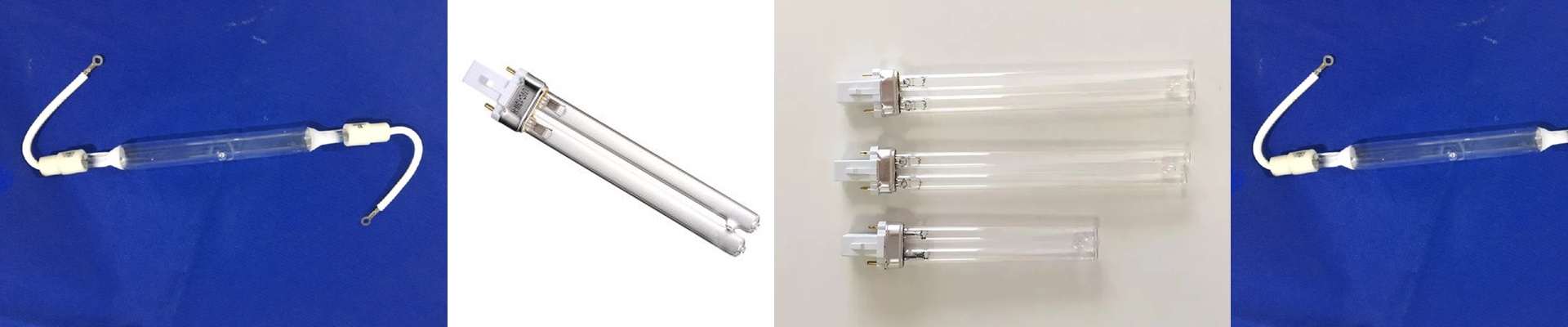
UV lamps are powerhouses. Whether you’re sterilizing equipment or curing ink on a high-speed press, that shortwave radiation (usually around 254nm) does the heavy lifting by breaking apart the molecular bonds in germs and polymers. But here’s the catch: that same energy doesn’t care if it’s hitting a microbe or your eyeball. It’ll burn skin and damage retinas in a heartbeat.
Shielding and the “Kill Switch”
You can’t just plug these lamps in and hope for the best. You need hard-wired safety interlocks. We build our systems with fail-safe switches that cut power to the ballast the second a cabinet door swings open. No delays. No “almost.” Just off. As for the housing, aluminum or stainless steel is the way to go to keep the UVC locked inside. If you’re using acrylic guards, make sure they’re actually UV-rated. Regular plastic will yellow and crack under the pressure, and that’s how dangerous leaks happen in your workspace.
Heat and Power
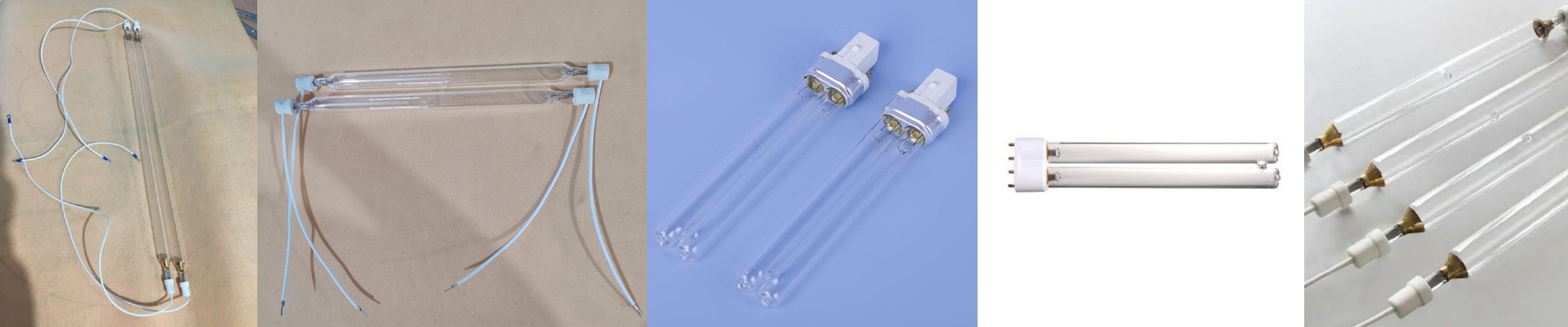
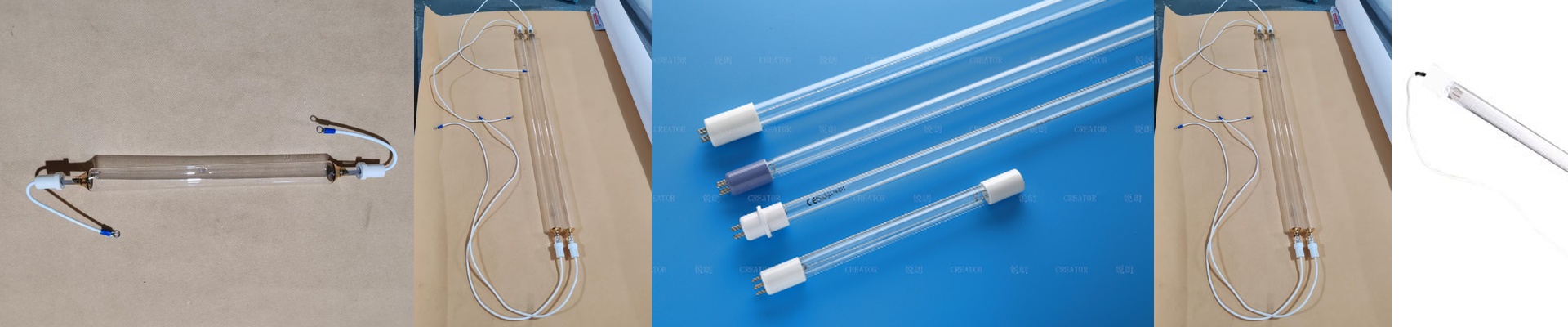
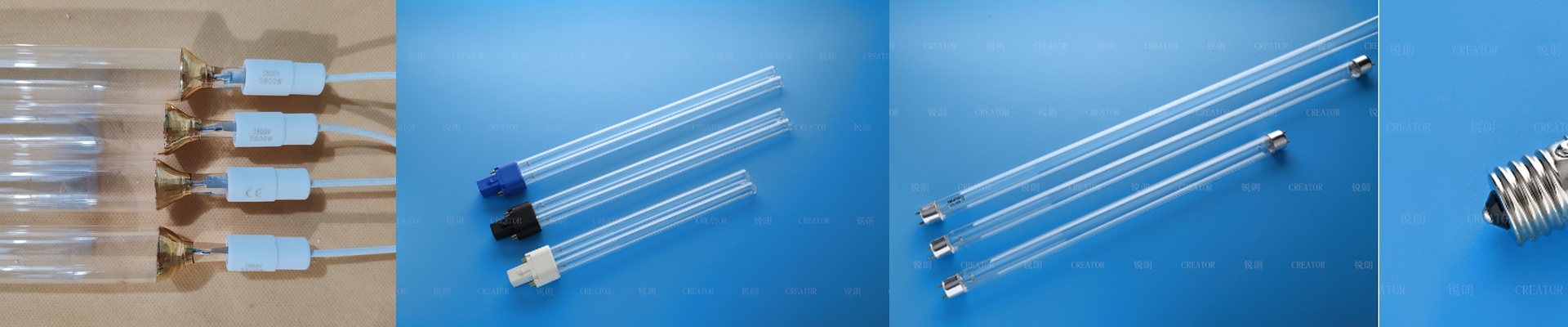
High-wattage tubes get hot. Really hot. If your cooling fans quit or someone blocks the airflow, the quartz envelope starts to stress. The result? Your lamp life plummets. I always suggest keeping a close eye on the temperature at the lamp head. If it’s overheating, you’re just fast-tracking a burnout. Then there’s the wiring. You have to match your ballast perfectly. If the voltage or current is off, you’ll either under-drive the lamp or just blow the filament entirely. We stick to industrial-grade connectors so you don’t have to worry about arcing during high-frequency runs.
Maintenance (The Part You Can’t Ignore)
Here is the tricky part: UV lamps lie to you. A lamp can still glow a bright, pretty blue, but it might only be putting out 60% of the UVC it’s supposed to. You have to track your run-hours, or you’re just guessing. When it’s time to swap tubes, don’t take shortcuts. Put on the UV-blocking goggles and gloves. Even a few seconds of direct exposure can leave you with a nasty, painful skin burn. We’ve designed our mounts for quick swaps, so your techs can get in, get the job done, and get out of the radiation zone as fast as possible.