


Getting Your Curing Right with Gallium Iodide UV Lamps
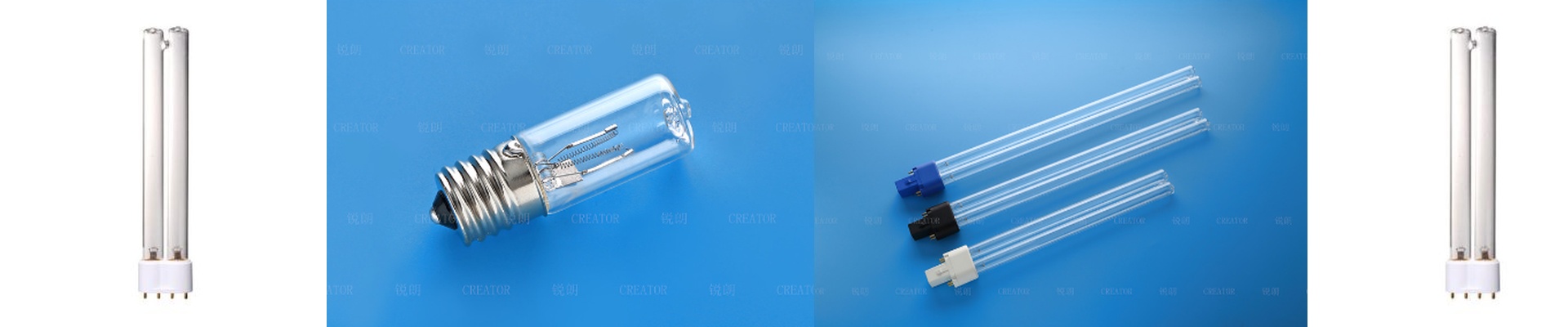
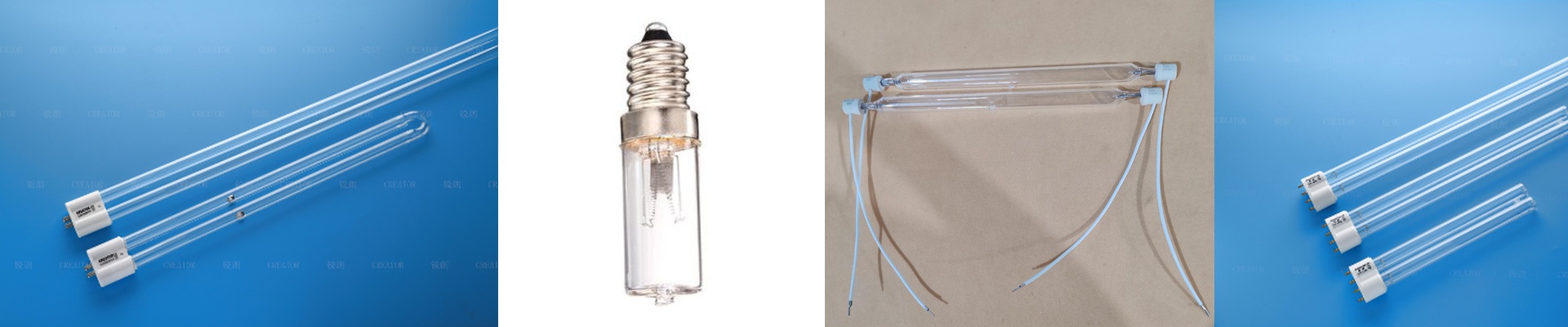
Look, most small to mid-sized print shops are stuck in a tough spot. You need high-performance curing, but you don’t have the budget for those massive, overpriced industrial rigs. That’s why we build our custom gallium iodide UV lamps. We basically tweak the light output to hit the exact spots your inks and coatings need to dry.
Why Gallium Iodide Actually Matters
Here is the deal with the physics. Your standard mercury lamps usually peak at 254nm. That’s fine for some things, but if you’re working with thicker ink layers or weird pigments, you’ve probably run into a frustrating problem: the surface feels dry, but the bottom is still wet and tacky. By adding gallium iodide into the mix, we push that light peak toward the 300nm to 400nm range. It’s like a deep-tissue massage for your ink. The light actually penetrates deeper into the material, so it cures all the way through. No more guessing if the bottom layer is set.
The Trade-offs (Let’s Be Honest)
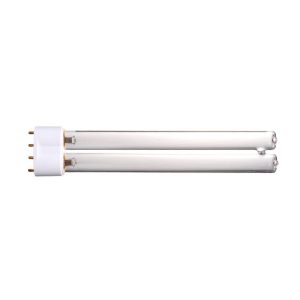
We build these to fit your specific machine. You tell us the tube length, the wattage, and how the electrodes need to be set up, and we make sure it’s a simple drop-in replacement. If you want to speed up your line, we can bump up the wattage to get more power (irradiance) hitting the page. But here is the catch:these lamps get hot. Gallium lamps throw off a lot of infrared energy along with the UV. If you’re printing on thin films or plastics that melt if you even look at them wrong, you’ll need to be smart about your cooling fans or conveyor speed. Otherwise, you’re just going to warp your substrate.
Getting it Running in Your Shop
We aren’t trying to make you rebuild your entire power cabinet. We offer a bunch of different connector options so you can just wire the lamp into your existing ballast and get back to work. Plus, if you switch between different jobs and ink chemistries all day, having a customized lamp is a lifesaver. You can match the intensity to the specific ink you’re using. This stops you from “over-cooking” the print, which is how you end up with brittle prints that crack the moment they’re touched. It’s all about a steady, reliable output. Less scrap in the bin, more finished jobs out the door.